

Dubai is worth far more than a layover – This wondrous city has plenty to offer! Here are some exciting activities in Dubai for the Adrenaline Junkies!
Best Time to Visit Japan for Muslim Travellers: When to Go and When to Avoid
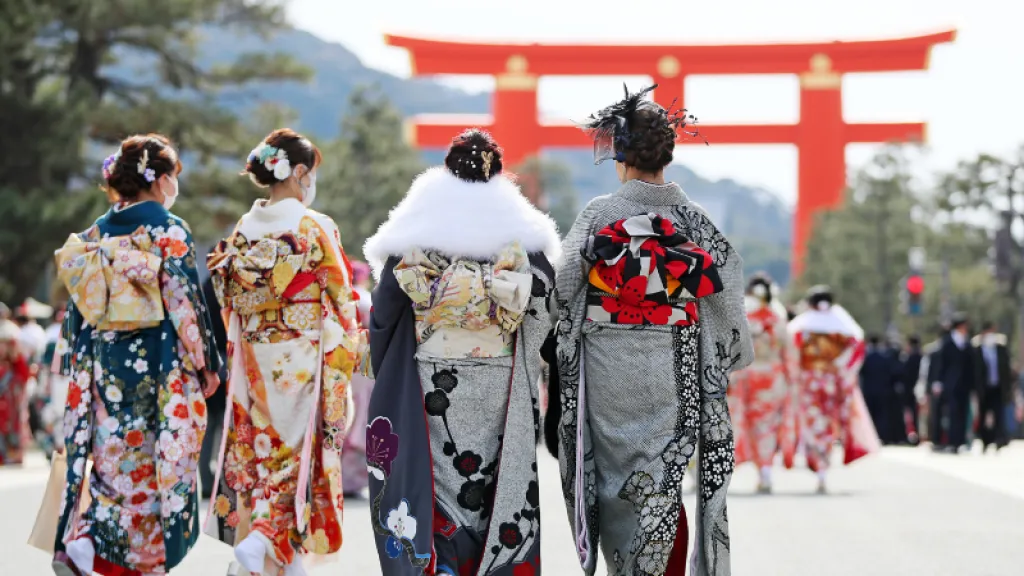
Japan is one of the most popular travel destinations in Asia, and it’s easy to see why. From cherry blossoms and autumn leaves to delicious food, efficient public transport, and iconic attractions, Japan offers a completely different experience in every season. For Muslim travellers from Indonesia, Malaysia, Singapore and other tropical countries, Japan’s four distinct seasons are also part of the charm.
Also read : 6 Things You Can’t Bring Into Japan For Muslim Travellers
But Japan can get extremely busy during certain times of the year. Popular attractions can be packed, hotel prices can go up, and trains may be fully booked during major holidays. For Muslim travellers, choosing the right travel period can also make it easier to plan your prayer times, halal food stops and visits to Muslim-friendly attractions without rushing between crowded places.
So, when is the best time to visit Japan? And which months are better avoided? If you're planning a Muslim-friendly Japan trip, this guide can help you choose a travel period based on weather, crowds and overall comfort.
Best Time to Visit Japan
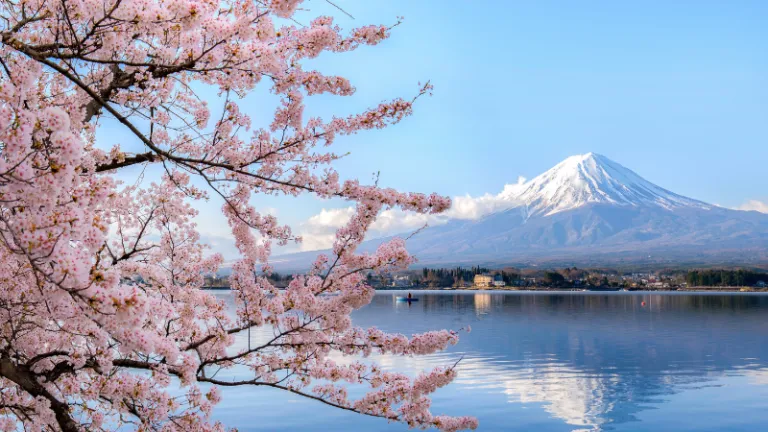 There are several great periods to visit Japan throughout the year. While spring and autumn are often the most popular seasons, the best time really depends on what you want to see and how much you want to spend.
For Muslim travellers, visiting during a less crowded period can also make your trip more comfortable. You will have more flexibility to explore attractions, look for halal restaurants in Japan, find prayer spaces and take breaks during your sightseeing days.
1. Early April: Enjoy the Cherry Blossoms
Early April is one of the best times to experience spring in Japan. This is when cherry blossoms are usually in full bloom in many popular destinations, creating some of the most beautiful scenery of the year. Tokyo, Kyoto and other major cities can look completely different when the streets and parks are covered in pink flowers.
For Muslim travellers, spring can also be a great time to explore Japan's Muslim-friendly attractions at a comfortable pace. You can enjoy hanami, visit mosques and prayer spaces, and stop by halal restaurants along your itinerary. However, timing is important because the end of April marks the beginning of Golden Week.
2. The Second Week to the End of May: Mild Weather and Fewer Crowds
The period from the second week of May until the end of the month is another good time to visit Japan. Spring is slowly transitioning into summer, but the weather is generally not as hot as it gets later in the season.
This period can be a nice alternative for Muslim travellers who want to enjoy Japan without dealing with the biggest cherry blossom crowds. The comfortable weather also makes it easier to spend a full day sightseeing while leaving enough time to stop for prayer and halal meals along the way.
3. October to November: Enjoy Japan’s Autumn Colours
If you prefer cooler weather, October and November are among the best months to visit Japan. Temperatures start to drop, but it is generally not as cold as winter, making it comfortable to spend a full day exploring.
For Muslim travellers, autumn is a particularly enjoyable season for exploring Japan on foot. You can visit scenic parks, temples and Muslim-friendly attractions while enjoying the colourful autumn leaves. Just remember to check local prayer times when planning a full-day itinerary, especially as daylight hours become shorter.
Worst Time to Visit Japan
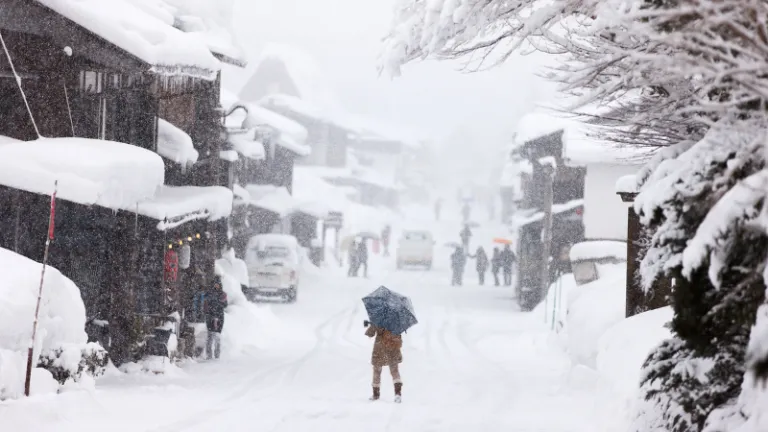 There is no single month that is completely "bad" for visiting Japan. However, some periods can be much busier, more expensive or less comfortable than others.
Japan’s major holidays are especially important to consider because many locals travel during these periods too. For Muslim travellers, extremely crowded destinations can make it harder to stick to a relaxed itinerary, find available seating at restaurants or take time out for prayer.
1. Late March: Cherry Blossom Crowds and School Holidays
Late March can be tempting because cherry blossoms may start blooming in some parts of Japan. However, this is also when many Japanese schools have their holidays, meaning popular attractions can become much busier.
You may also notice higher prices for accommodation and transportation. If you are planning a cherry blossom trip as a Muslim traveller, check the expected bloom dates carefully and consider travelling slightly outside the busiest periods. This gives you more time to enjoy halal food, prayer stops and sightseeing without feeling rushed.
2. Late April to the First Week of May: Golden Week
Golden Week is one of the busiest travel periods in Japan. It usually takes place from the end of April to the first week of May and combines several national holidays into one long holiday period.
During this time, many Japanese travellers take trips around the country. Popular tourist attractions can become extremely crowded, and hotels, flights and trains can sell out quickly. Shinkansen seats can also be difficult to secure, especially on popular routes.
For Muslim travellers, this can make an already busy itinerary even harder to manage. If you want enough flexibility to visit a mosque, find a prayer room or halal restaurant, it is better to avoid travelling during the peak of Golden Week if your dates are flexible.
3. June to Early July: Japan’s Rainy Season
Japan also has a rainy season, commonly known as tsuyu, which usually takes place from June to early July. Frequent rain can make outdoor sightseeing less enjoyable, especially if you have planned a lot of walking or day trips.
There is still something beautiful about visiting Japan during this season. Hydrangeas begin to bloom and can add plenty of colour to gardens and temples. For Muslim travellers, rainy days can also make it useful to plan more indoor activities, such as shopping malls, museums, halal restaurants and prayer facilities.
4. August: Hot and Humid Summer Weather
August can be a challenging month for travellers who are not used to Japan’s summer heat. Temperatures can get very high, while humidity can make the weather feel even hotter.
Even if you come from a tropical country, spending a full day walking around cities such as Tokyo, Kyoto or Osaka under the summer sun can be tiring. For Muslim travellers, the heat can also make long sightseeing days more challenging, especially when you need to plan around prayer times.
If you are visiting Japan in August, stay hydrated, take regular breaks and plan some indoor activities. Shopping malls, museums, cafés and Muslim-friendly restaurants can be useful stops when you need a break from the heat.
5. The Fourth Week of September: Silver Week
Japan has another holiday period known as Silver Week, which can occur around the fourth week of September depending on the year's public holiday calendar.
During this period, many locals take advantage of the long holiday to travel. This can affect hotel availability, transportation and prices, particularly in popular tourist destinations.
If you are travelling as a Muslim family or group, checking Japan's holiday calendar before booking your trip can help you avoid unexpected crowds. Having more flexible travel dates can also make it easier to plan accommodation close to halal restaurants and prayer facilities.
6. Late December to Early January: Christmas and New Year Holidays
The end of December and beginning of January can be one of the busiest and most expensive periods to travel. Many international travellers visit Japan for the winter holidays, while locals also travel during the New Year period.
Japan’s winter scenery is certainly beautiful, especially if you want to experience snow. Muslim travellers can also enjoy winter attractions, halal Japanese food and snowy landscapes. However, popular destinations can be crowded and accommodation prices may increase significantly.
If you are planning a Muslim-friendly winter trip to Japan, consider travelling outside the peak New Year period if possible. This can give you better prices and more flexibility when planning your daily sightseeing and prayer schedule.
Tips for Muslim Travellers to Avoid Crowds in Japan
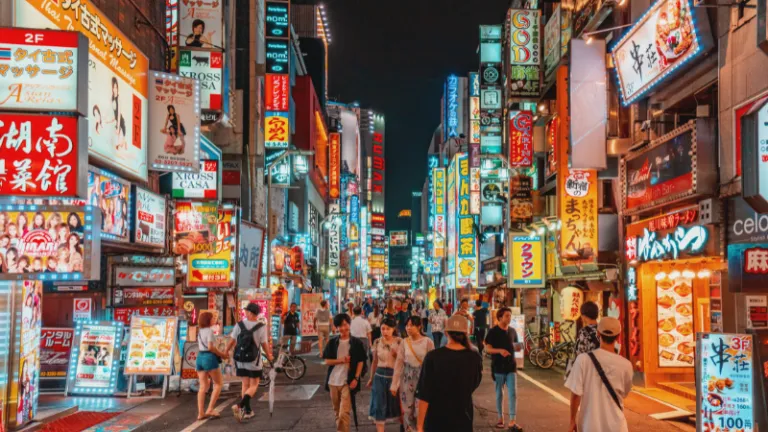 One of the easiest ways to avoid crowds in Japan is to explore destinations beyond the usual tourist hotspots. Instead of focusing only on Tokyo, Kyoto and Osaka, consider adding alternative destinations such as rural areas, Hokkaido or Okinawa to your itinerary.
You can also visit popular attractions outside peak hours. Try going to temples, museums and other famous attractions early in the morning or later in the afternoon when possible. For Muslim travellers, quieter hours can also make it easier to find time for prayer breaks and halal dining without having to squeeze everything into a busy schedule.
Another useful tip is to make your travel days easier by storing your luggage at airports, train stations or luggage lockers. Kyoto Station, for example, has luggage storage options that can be useful if you want to explore the city without carrying heavy bags.
It is also worth researching Muslim-friendly facilities in Japan before your trip. Save the locations of nearby mosques, prayer rooms, halal restaurants and Muslim-friendly attractions on your phone so you don't have to search for them at the last minute.
For a different way to explore Japan, consider renting a bicycle or scooter where it is permitted. Cycling through quieter neighbourhoods can give you a more relaxed experience and let you see a side of Japan that you might miss when travelling between major attractions.
Also read : 10 Unspoken Rules Every Muslim Traveller Should Know Before Visiting Japan
So, When Should Muslim Travellers Visit Japan?
If you want comfortable weather, beautiful scenery and a more enjoyable sightseeing experience, early April, the second week to the end of May, and October to November are some of the best periods to consider. Spring is perfect for cherry blossoms, while autumn offers colourful foliage and cooler temperatures.
On the other hand, late April to early May, June to early July, August, Silver Week, and late December to early January can be more challenging because of crowds, weather or higher travel costs.
Ultimately, the best time to visit Japan for Muslim travellers depends on what you want to experience. Whether you're dreaming of cherry blossoms, autumn leaves, snowy landscapes or simply exploring Japan's cities and local food scene, planning around the seasons and Japanese holiday calendar can make your trip much more comfortable.
With a little planning, you can easily build a Muslim-friendly Japan itinerary that balances sightseeing, halal food, prayer times and plenty of time to simply enjoy the journey. So, check your dates, save those halal restaurants and prayer spots, and get ready for your Japan adventur
Published at
About Author
Subscribe our Newsletter
Get our weekly tips and travel news!
Recommended Articles
Muslim Travel: 5 Things to Do in Dubai For Adrenaline Junkies The REAL Iran – in Photos What’s really in Iran? See for yourself!
17 Muslim-Friendly Travel Destinations to Visit in 2017 Check out these 17 Muslim-friendly travel destinations for your next holiday. Finding halal food will not be a problem anymore!
6 Best Places to Visit in Pakistan for Your First Trip Pakistan is underrated travel destination that has plenty of exciting destinations filled with beautiful nature, culture and heritage. Take a pick from these cities and regions for your first trip to Pakistan!
Middle East: 6 Safe Muslim-Friendly Countries to Visit Want to travel to the Middle East but riddled with safety concerns? Then begin your adventure with these six relatively safe Middle East countries,
Latest Articles
10 Halal Ramen in Osaka Every Muslim Travellers Have to Try At Least Once Don't miss out on Japan’s iconic comfort food!
Experience Autumn Beauty: Visit These 10 Stunning Spots in Kyoto Experience Kyoto at its most gorgeous.
12 Free Attractions in Osaka, Japan to Make Your Trip More Budget-Friendly Save money on your Japan vacation!
10 Great Places to Shop for Souvenirs in Hong Kong: From Budget-Friendly Markets to Unique Keepsakes Bring home the best of Hong Kong!
8-Day Tokyo and Osaka Itinerary: From the Bustling Capital to Japan’s Kitchen Make your dream Japan trip come true!