

Who says Halal/Muslim-friendly food is hard to find in Japan? These Japanese treats, from Senbei to Taiyaki, will delight Muslim travellers in Tokyo.
Japan Introduces JESTA From 2028: A Complete Guide for Muslim Travellers
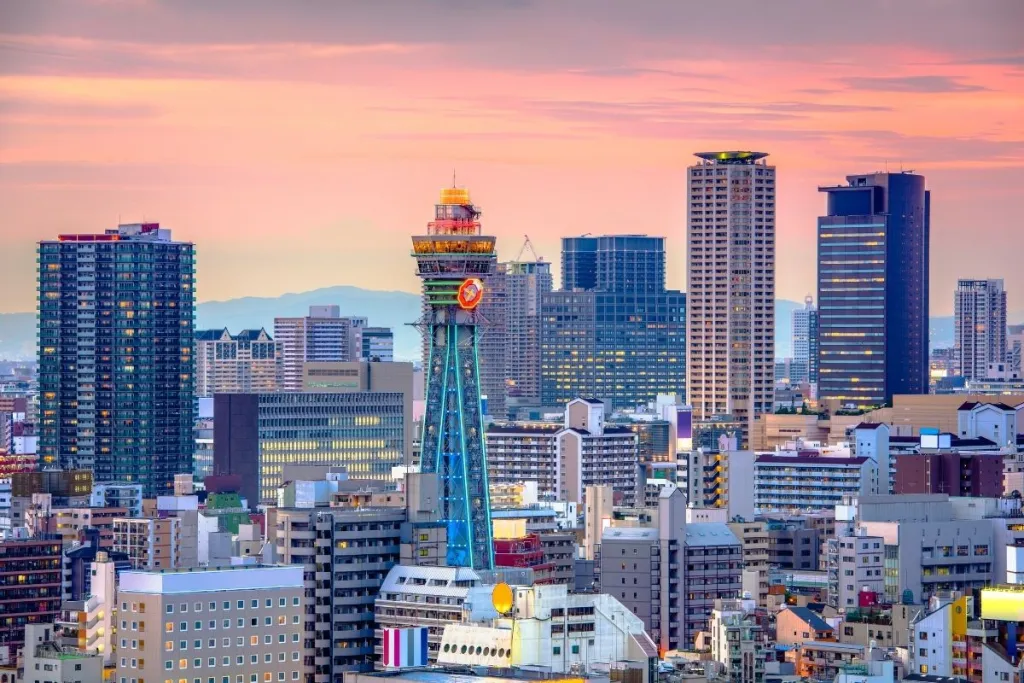
If Japan has been on your bucket list (or already your annual go-to), there’s a new travel update you’ll want to keep in mind. Japan is set to introduce a pre-travel authorisation system called JESTA, and while it won’t start immediately, it will change how we prepare for trips in the future.
The good news? It’s not complicated, just one extra step, and honestly, it fits quite naturally into how Muslim travellers already plan trips around halal food and prayer needs.
Also read: 17 Stunning Filming Locations of "Can This Love Be Translated?": From Japan to Canada
What Is JESTA?
 Image credit: khadoma | Pixta
Japan’s Japan Electronic System for Travel Authorisation (JESTA) is a digital pre-screening system for travellers entering the country. If you’re familiar with the US ESTA, it works in a very similar way.
Before boarding your flight, you’ll need to submit your personal and travel details online and receive approval. This applies to travellers from visa-free countries, which means Malaysians and many Southeast Asian travellers will likely be affected.
And here’s the important part, this isn’t optional. Without an approved JESTA, airlines may deny boarding, making it just as essential as your passport when travelling to Japan.
When Will It Be Implemented?
Japan is aiming to roll out JESTA in Fiscal Year 2028, which falls between April 2028 and March 2029.
Exact timelines and procedures haven’t been confirmed yet, so for now, this is something to keep in mind for future travel planning rather than immediate trips.
Will There Be a Fee?
Yes, travellers will need to pay an application fee, although the exact amount hasn’t been announced.
For context, the US ESTA costs around ¥6,000 (approximately S$48), so it’s likely Japan’s fee will be in a similar range. It’s not a huge cost, but definitely something to factor into your travel budget.
Why Is Japan Introducing JESTA?
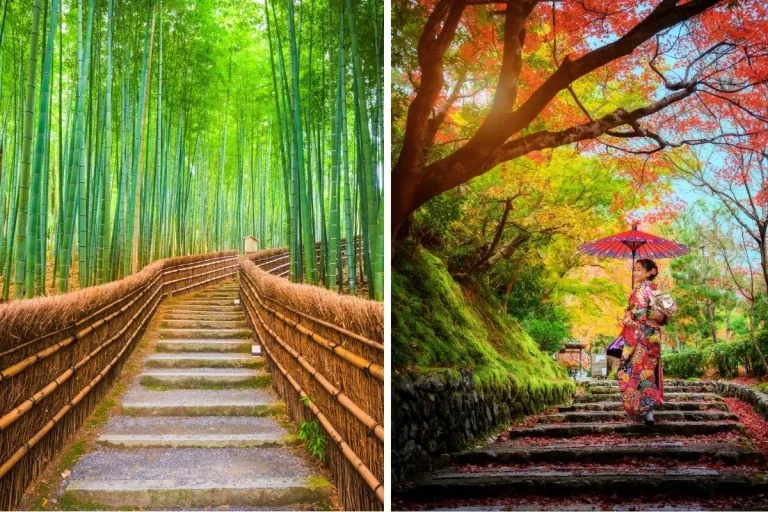
Image credit: SeanPavone; Lam Anupong | Official X
Japan has been experiencing a surge in tourism, and this move is aimed at strengthening border control and reducing overstays.
By screening travellers before they arrive, immigration authorities can better manage incoming visitors and improve overall border security.
What This Means for Muslim Travellers
For Muslim travellers, this change is less of a hassle and more of a reminder to plan smarter.
Since you’ll already need to submit travel details in advance, it’s the perfect time to organise your itinerary properly. That means locking in halal food spots near your hotel, identifying nearby mosques or prayer spaces, and planning your daily routes around prayer times.
Instead of scrambling to find halal options last minute (we’ve all been there), JESTA encourages you to travel more intentionally, which can actually make your trip smoother and more enjoyable.
Step-by-Step: How to Apply for JESTA (Expected Process)
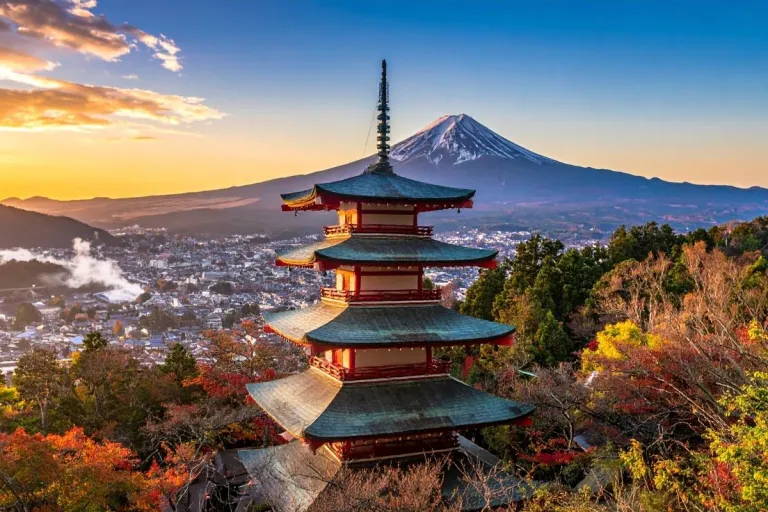 Image credit: TrueCreatives | Canva Pro
While Japan hasn’t released the official application steps yet, the process will likely follow a structure similar to other systems like ESTA.
You’ll start by visiting the official JESTA application website (to be announced closer to launch) and creating an application. From there, you’ll fill in your personal details, including your passport information, followed by your travel details such as your accommodation, travel dates, and purpose of visit.
Next, you may need to answer a few basic eligibility or security-related questions before reviewing your application and making payment. Once submitted, your application will be processed, and you’ll receive your approval, usually within a short timeframe, although it’s always best to apply a few days or even weeks before your trip.
Once approved, your JESTA authorisation will be electronically linked to your passport, so there’s no need to print anything unless advised.
For the latest updates and official details, always refer to the Immigration Services Agency of Japan here: https://www.moj.go.jp/isa/
Additional Updates for Residents in Japan
Alongside JESTA, Japan is also proposing higher fees for certain immigration-related services. This includes applications for residency status changes, extensions of stay, and permanent residence.
These changes mainly affect foreign residents living in Japan rather than short-term travellers, but it reflects a broader tightening of immigration policies.
Will This Make Immigration Faster?
Image credit: Do Van | Pexels
That’s still unclear.
While pre-screening travellers could potentially reduce waiting times at the airport, Japan hasn’t confirmed whether JESTA will actually speed up immigration queues. For now, it’s best to see it as an additional requirement rather than a fast-track system.
Also read: Best Places to Stay in Kyoto 2026 : 10 Best Ryokan Hotels with Traditional Japanese Style
Final Thoughts
At the end of the day, JESTA isn’t a drastic change, just a new step in your travel prep.
And if you’re already used to planning your trips around halal food, prayer spaces, and Muslim-friendly routes, this will fit right in. If anything, it encourages better planning, which always leads to a smoother journey.
So whether you’re dreaming of halal ramen in Tokyo, exploring Kyoto’s historic streets, or chasing snow in Hokkaido, just remember, from 2028 onwards, your Japan adventure starts a little earlier… right from your screen.
Published at
About Author
Aimi Zulkiflee
Aimi is the ultimate daydreamer with a flair for adventure and an avid novel reader with a soft spot for all things fairytale. She is known for her friendly demeanor, albeit with a bit of a short temper. Forever striving to live her cutesy yet demure life.
Subscribe our Newsletter
Get our weekly tips and travel news!
Recommended Articles
8 Muslim-Friendly Snacks to Try in Tokyo Halal Travel in China: Exploring Xi’an and Xinjiang From visiting mosques inspired by Middle Eastern architecture to exploring vibrant spice markets, there’s plenty of Muslim-friendly activities to do in Xi’an and Xinjiang!
Muslim Travellers Wanted in Four East Asia Countries Japan, Hong Kong, South Korea and Taiwan are ramping up their Muslim-friendly infrastructure to embrace more Muslim travellers.
Sakura Season: Japan’s Cherry Blossoms Bloom Early in 2019 If you want to witness cherry blossom season in Japan this year, you may need to advance your travel plans.
Muslim Women Can Now Wear The Kimono With Matching Hijabs in Kyoto With over 20 different hijab designs offered, Yumeyakata is stepping up its kimono rental by being more inclusive especially for Muslim travellers.
Latest Articles
12 Free Attractions in Osaka, Japan to Make Your Trip More Budget-Friendly Save money on your Japan vacation!
10 Great Places to Shop for Souvenirs in Hong Kong: From Budget-Friendly Markets to Unique Keepsakes Bring home the best of Hong Kong!
8-Day Tokyo and Osaka Itinerary: From the Bustling Capital to Japan’s Kitchen Make your dream Japan trip come true!
Say Goodbye to Dotonbori’s Iconic Glico Running Man Sign: A Brand-New Look Is Coming Soon This is your final chance to capture the iconic neon sign!
8 Best Spots in Osaka to Enjoy Autumn Colours, From Parks to Waterfall Experience Osaka in full autumn bloom.