

Do you or anyone you know face difficulties whilst travelling during Ramadan? We’ve got you covered!
Japan Temperatures Reach 40°C: How to Stay Safe and Enjoy Your Summer Getaway
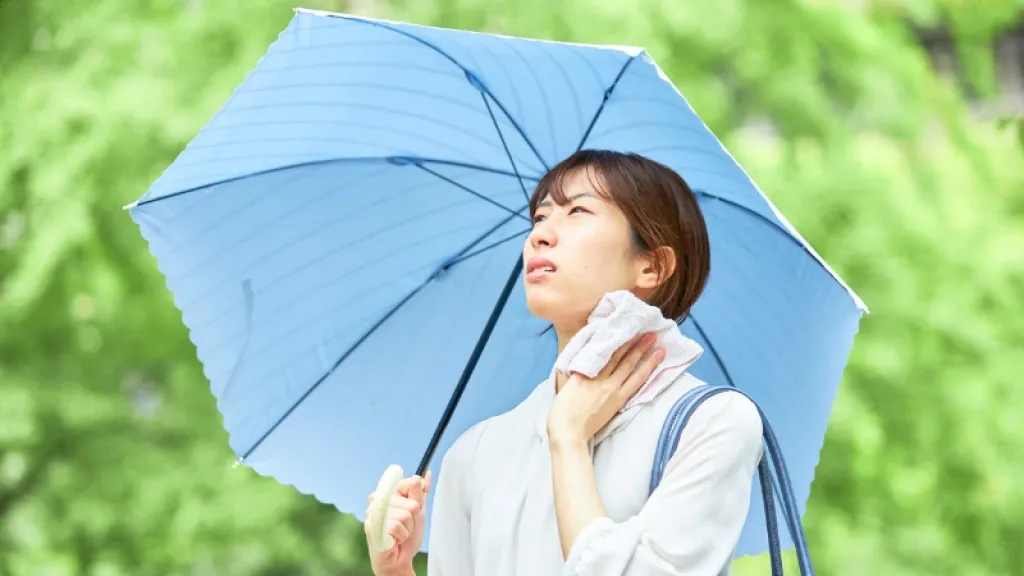
When we think of traveling to Japan, picturesque scenes of blooming cherry blossoms in spring or vivid crimson foliage in autumn often come to mind. However, mid-year conditions in the Land of the Rising Sun present a completely different dynamic. The intense summer heat can be quite a challenge, both for local residents and for Muslim travellers heading there for a vacation.
Also read: Must-Have Items for Muslim Travellers During Summer Holidays in Japan
Kokushobi: When Temperatures Soar Past 40°C
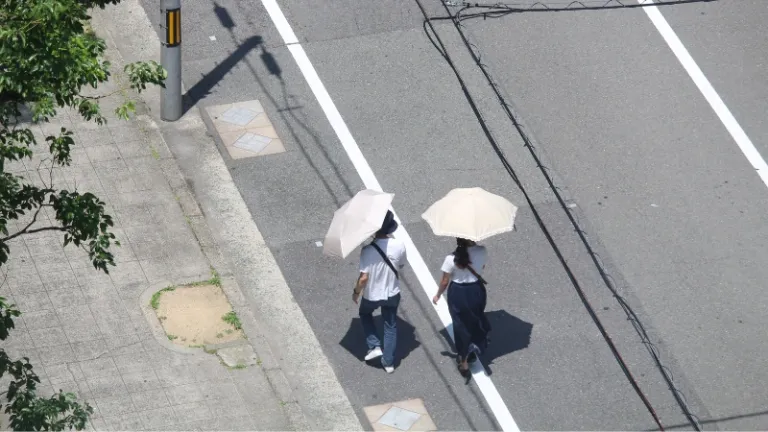 Image credit: Catarina Duarte | Pexels
Recent meteorological reports across several major Japanese cities have recorded drastic temperature spikes, with official readings surging past the extreme mark of 40 degrees Celsius. This intense surge in heat is locally referred to as kokushobi (酷暑日), an official weather classification given to days when daily maximum temperatures reach or exceed 40°C.
At least three central cities have officially recorded kokushobi conditions: Tajimi City and Gujo City in Gifu Prefecture, as well as Toyota City in Aichi Prefecture.
Nearby regions have also been hit by severe heatwaves coming dangerously close to the 40°C threshold. Temperatures in Nagoya recently climbed to 39.7°C, while Kumagaya reached an intense 38.6°C.
Such extreme heat poses a significant risk of heatstroke. Because of this, local authorities continuously urge both locals and international visitors to exercise extreme caution whenever venturing outdoors.
Normally spanning from June through August, summer in Japan can bring high humidity, and the Japan Meteorological Agency predicts elevated temperatures may persist throughout the remainder of the season.
Essential Tips for Muslim Travellers Visiting Japan in Summer
 Image credit: Nihongraphy | Pexels
Despite the scorching weather, summer in Japan possesses a distinct charm. It is the season of vibrant cultural festivals (matsuri), breathtaking fireworks displays, and sparkling coastal beaches. Many travellers deliberately choose this time of year to experience these unique cultural highlights firsthand.
Another major perk is avoiding the massive tourist crowds typical of spring and autumn. This allows you to explore popular landmarks at a much more relaxed pace. Furthermore, because summer is generally considered an off-peak period for international arrivals, accommodation rates and travel expenses tend to be significantly cheaper.
So, should you cancel your upcoming trip to Japan because of the heat? The decision ultimately rests on your personal preference. If you choose to go ahead with your journey, here are several practical ways to ensure a safe, comfortable, and enjoyable experience:
1. Take Advantage of Japan’s Innovative Anti-Heat Products
Japan is famous for its ingenious seasonal products designed to beat the heat, all readily available at any local convenience store (konbini) or drugstore:
Cooling Wipes: Infused with menthol, these sheets provide an instant refreshing cooling sensation for your skin.
Cooling Sprays: Applied directly onto your clothing, these sprays react with sweat to keep your clothes feeling chilly.
Neck Coolers: Reusable neck rings or cooling scarves offer continuous relief when walking outdoors.
2. Stay Hydrated and Replenish Electrolytes Regularly
Do not wait until you feel thirsty to drink. Keep a bottle of water on hand or pick up electrolyte-rich rehydration drinks from the vending machines found on almost every street corner. Carrying a refillable water bottle is also highly recommended.
If the afternoon sun becomes overwhelming, feel free to pop into a nearby air-conditioned café or restaurant. You can take a relaxing break while trying kakigori (Japanese shaved ice dessert topped with flavored syrups)—a delightful and popular summer treat!
3. Wear Lightweight Clothes and Proper UV Protection
Opt for lightweight, loose-fitting clothing made from breathable, sweat-wicking fabrics. Complete your outfit with a wide-brimmed hat, UV-blocking sunglasses, and a high-SPF sunscreen to protect your skin. Carrying a UV-blocking umbrella (parasol) is also extremely common and widely recommended in Japan.
4. Adjust Your Outdoor Itinerary
Plan outdoor sightseeing—such as visiting open parks, historic shrines, or outdoor gardens—during the early morning hours when the air is still crisp, or late in the afternoon toward sunset. During the hottest midday hours, switch your itinerary to indoor, air-conditioned attractions like world-class museums, art galleries, or vast underground shopping arcades.
Note on Prayer and Dining: To make your summer trip smooth, use travel apps to pinpoint nearby mosques or indoor prayer spaces beforehand so you can pray in air-conditioned comfort. For meals, look for halal-certified or Muslim-friendly dining options offering chilled noodles (h cold soba or udons) for a light, refreshing feast.
Also read: Things to Do in Japan Throughout The Year (Complete 12-Month Travel Guide)
The kokushobi heatwave is certainly an environmental reality to keep in mind when planning a trip to Japan during the summer months. However, as long as you maintain good physical health, pack the right gear, keep your itinerary flexible, and monitor local weather updates, you can still enjoy an unforgettable summer adventure in the Land of the Rising Sun. Have a safe, refreshing, and wonderful holiday!
Published at
About Author
Jeihan Azalea
Jeihan is an ambitious explorer who travels the world with a pen in her hand.
Subscribe our Newsletter
Get our weekly tips and travel news!
Recommended Articles
Useful Tips for Travelling During Ramadan 17 Muslim-Friendly Travel Destinations to Visit in 2017 Check out these 17 Muslim-friendly travel destinations for your next holiday. Finding halal food will not be a problem anymore!
6 Best Places to Visit in Pakistan for Your First Trip Pakistan is underrated travel destination that has plenty of exciting destinations filled with beautiful nature, culture and heritage. Take a pick from these cities and regions for your first trip to Pakistan!
15 of the World’s Most Beautiful Mosques This article is dedicated to celebrating the Islamic architectural excellency, its cultures and histories – and to invite you to go admire them for yourself.
8 Muslim-Friendly Snacks to Try in Tokyo Who says Halal/Muslim-friendly food is hard to find in Japan? These Japanese treats, from Senbei to Taiyaki, will delight Muslim travellers in Tokyo.
Latest Articles
10 Halal Ramen in Osaka Every Muslim Travellers Have to Try At Least Once Don't miss out on Japan’s iconic comfort food!
Experience Autumn Beauty: Visit These 10 Stunning Spots in Kyoto Experience Kyoto at its most gorgeous.
12 Free Attractions in Osaka, Japan to Make Your Trip More Budget-Friendly Save money on your Japan vacation!
10 Great Places to Shop for Souvenirs in Hong Kong: From Budget-Friendly Markets to Unique Keepsakes Bring home the best of Hong Kong!
8-Day Tokyo and Osaka Itinerary: From the Bustling Capital to Japan’s Kitchen Make your dream Japan trip come true!