

Don't miss out on Japan’s iconic comfort food!
10 Largest Airports in the World 2026: A Muslim-Friendly Travel Guide
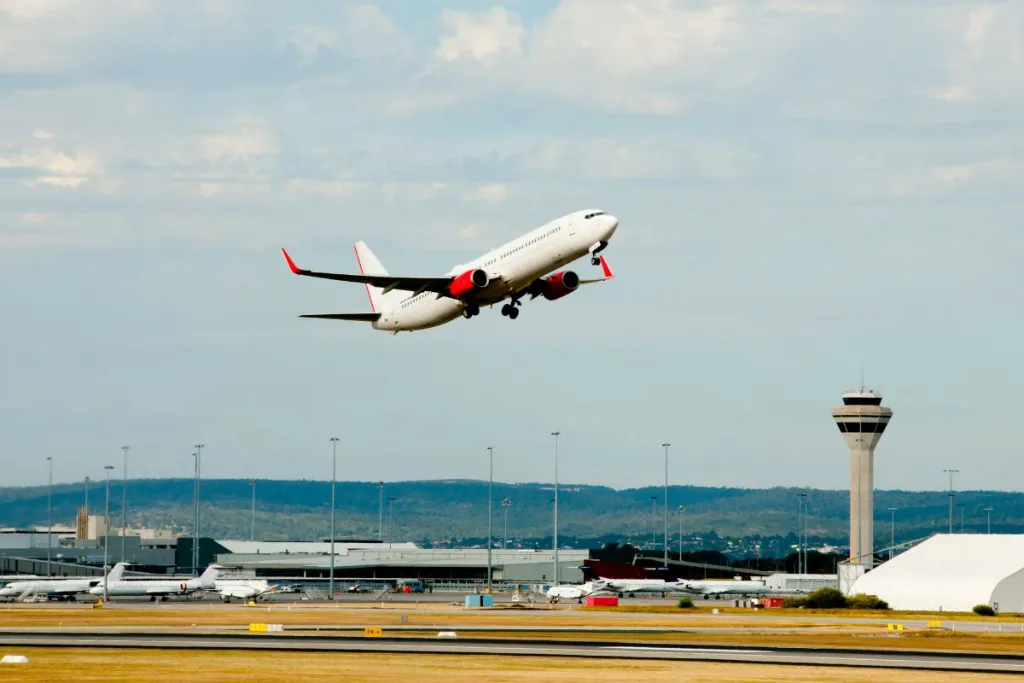
For most travellers, airports are simply a place to pass through, a quick stop between destinations. But around the world, there are airports so vast that they feel like entire cities, stretching across hundreds of square kilometres with multiple terminals, runways, and even green spaces built into their design.
If you’ve ever felt like getting to your gate was a full-on cardio session, you’re not imagining it. Some of these airports are truly massive. But here’s the silver lining, especially for Muslim travellers, larger airports often come with better infrastructure. That means more dedicated prayer spaces, easier access to halal food, and facilities that make long layovers far more comfortable.
Let’s take a closer look at the world’s largest airports by land area, and what you can realistically expect when travelling through them.
1. King Fahd International Airport, Saudi Arabia
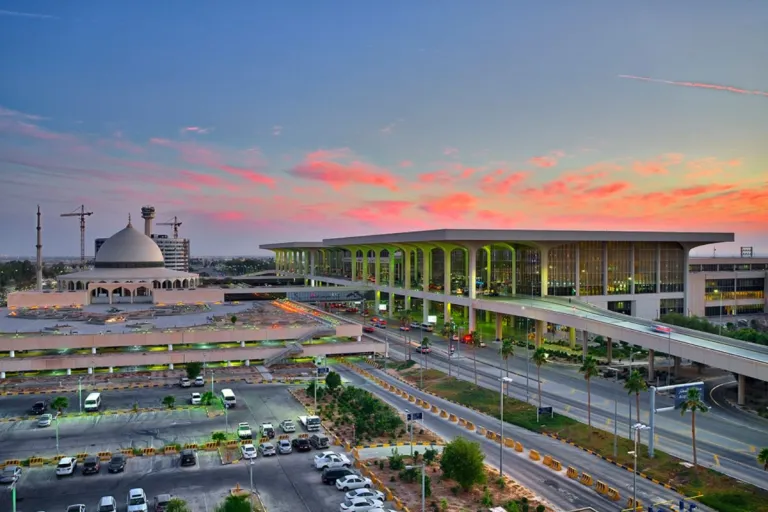 Image credit: Airport Carbon Accreditation | Official Website
~776 sq km
Holding firmly to its title as the largest airport in the world, King Fahd International Airport operates on a scale that’s almost difficult to comprehend. Covering an area larger than Bahrain, much of its land remains undeveloped, which gives the airport a uniquely open, almost surreal atmosphere surrounded by vast desert landscapes.
This enormous footprint wasn’t built purely for passenger traffic. The airport was originally designed with strategic and royal use in mind, which explains the presence of dedicated royal terminals and expansive infrastructure that goes far beyond what most travellers typically see.
For Muslim travellers, however, this is one of the most seamless transit experiences you can have. Being located in Saudi Arabia, prayer facilities are not just available, they are prioritised. You’ll find proper mosques, clean ablution areas, and clearly marked prayer spaces, making it especially convenient if you’re travelling for Umrah or Hajj.
2. Denver International Airport, USA
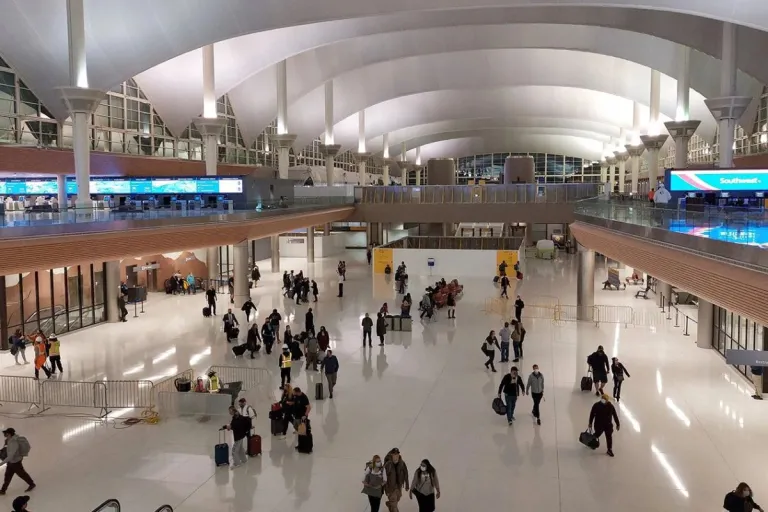 Image credit: The Window Flyer | Official Website
~135.7 sq km
Denver International Airport is not just large, it’s built with purpose. As the biggest airport in North America, its vast land area allows it to operate efficiently even in harsh winter conditions, with multiple runways functioning simultaneously despite heavy snowfall.
Architecturally, it’s one of the most recognisable airports in the world, thanks to its tent-like roof structure inspired by the Rocky Mountains. Beyond that, the airport has gained a reputation for its unusual art installations and even conspiracy theories, which add an unexpected layer of intrigue to your transit experience.
From a Muslim traveller’s perspective, Denver requires a bit more preparation. Halal food options are not widely available, so many travellers opt for vegetarian or seafood alternatives. While there are quiet corners suitable for prayer, they are not always clearly designated, so it’s important to plan ahead and allow extra time between flights.
3. Kuala Lumpur International Airport, Malaysia
 Image credit: lead8 | Official Website
~100 sq km
Proudly representing Southeast Asia, Kuala Lumpur International Airport strikes a rare balance between scale and comfort. Built across a sprawling 100 square kilometres in Sepang, the airport is thoughtfully integrated with greenery, giving it a calmer and less overwhelming atmosphere compared to many other mega-hubs.
KLIA is designed not just for capacity, but for experience. With two major terminals catering to both full-service and budget airlines, as well as surrounding facilities like golf resorts and nearby attractions, it functions as more than just a transit point.
For Muslim travellers, KLIA stands out as one of the most convenient airports in the world. Prayer rooms, or surau, are available throughout the terminals and are easy to locate. Halal food is widely accessible; in fact, it’s the default, and ablution facilities are clean and well-maintained. It’s the kind of airport where you don’t have to think twice about your basic needs during transit.
4. Istanbul Airport, Turkey
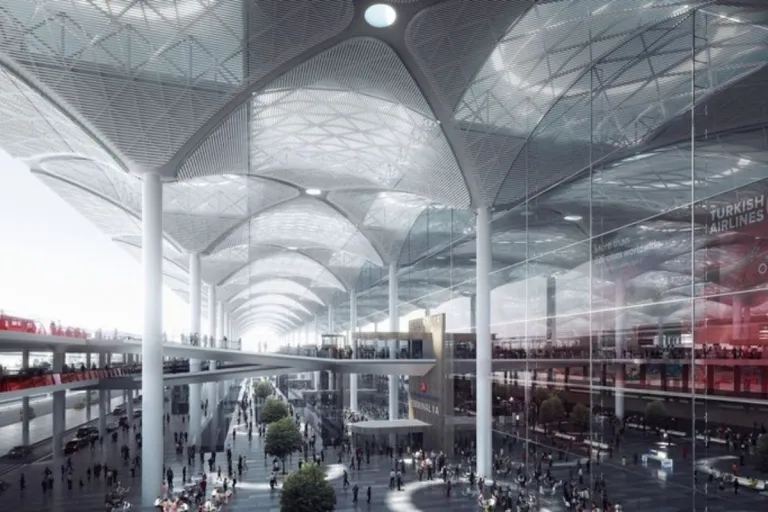 Image credit: Arch Daily | Official Website
~76.5 sq km
Strategically positioned between Europe and Asia, Istanbul Airport was built from the ground up to become a global aviation powerhouse. Its massive land area supports one of the largest terminal buildings in the world, designed to handle an immense volume of passengers while maintaining efficiency.
Despite its size, the airport is surprisingly well-organised, with a layout that allows travellers to move through it relatively smoothly. It’s a key transit hub for long-haul flights, especially between continents.
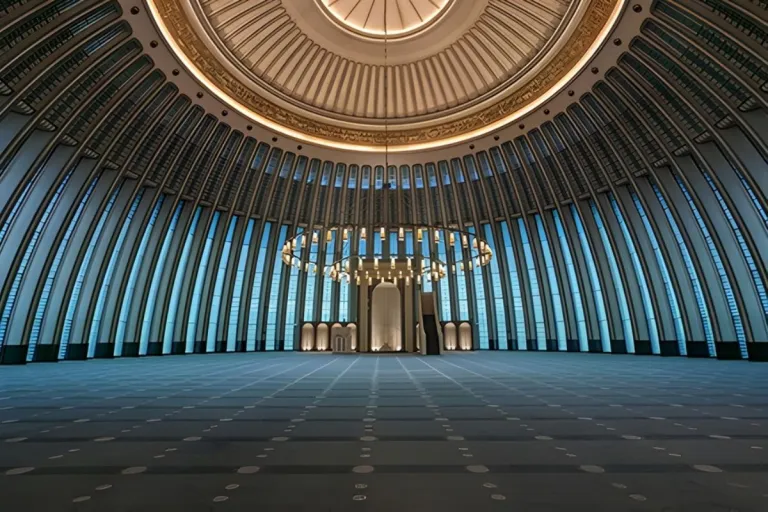
Image credit: Kling Freitag| Official Website
For Muslim travellers, Istanbul Airport offers a very comfortable experience. Prayer spaces are widely available, including mosque-style areas that feel more complete than typical airport prayer rooms. Halal food is abundant, and facilities for wudhu are thoughtfully designed, making it one of the best transit airports if you value both convenience and comfort.
5. Dallas Fort Worth International Airport, USA
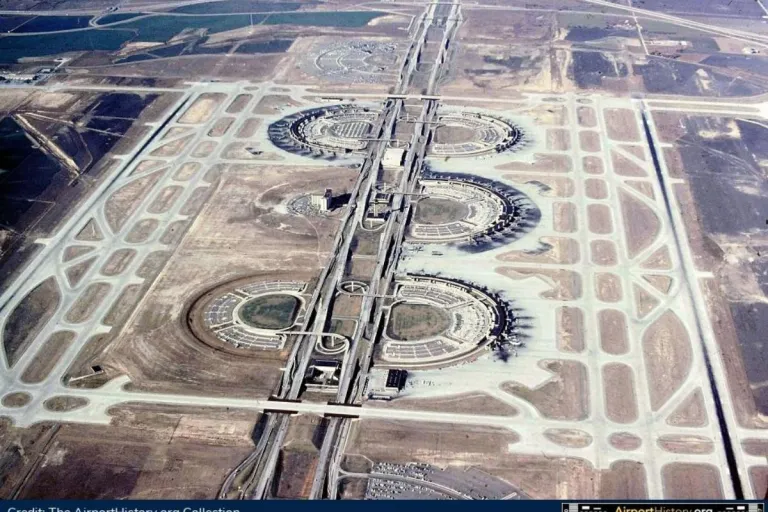 Image credit: The Airport History | Official Website
~69.6 sq km
Dallas Fort Worth International Airport operates on a scale so large that it essentially functions as its own city, complete with dedicated emergency services and infrastructure. Its five terminals are connected by an efficient train system, which helps manage the vast distances between gates.
Even with its size, the airport is designed to keep passenger movement relatively smooth, particularly for connecting flights within the United States.
However, Muslim travellers may need to plan ahead here. Prayer rooms are available, but not widespread, and halal food options can be limited depending on the terminal. Giving yourself extra time during transit can make a big difference in ensuring a more comfortable experience.
6. Orlando International Airport, USA
 Image credit: TriSavvy; Visit Orlando | Official Website
~53.8 sq km
Serving as the gateway to one of the world’s most popular holiday destinations, Orlando International Airport has a noticeably relaxed and family-friendly atmosphere. Built on what was once a military base, the airport is surrounded by lakes and greenery, giving it a more open and less congested feel.
Recent upgrades have modernised its terminals, making it better equipped to handle the steady flow of tourists heading to nearby theme parks.
For Muslim travellers, facilities are still developing. Halal food options are limited, so vegetarian meals are often the safest choice. While there are spaces that can be used for prayer, they may not always be clearly indicated, so some planning is required.
7. Washington Dulles International Airport, USA
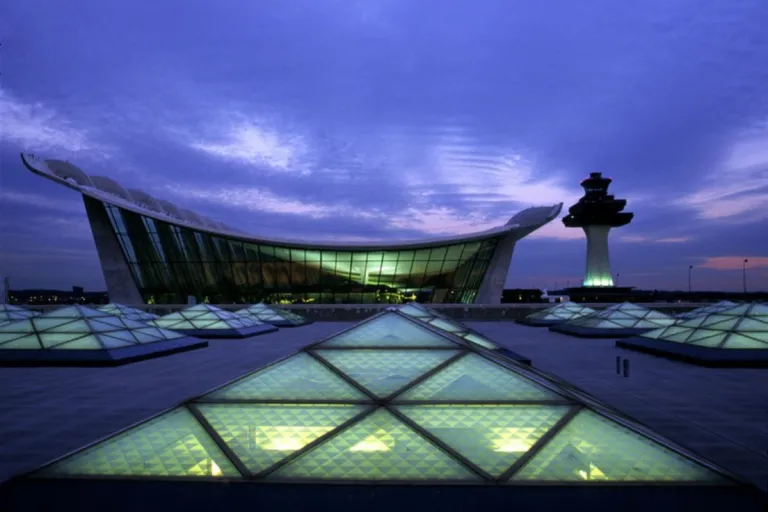 Image credit: Arch Daily | Official Website
~48.6 sq km
Washington Dulles International Airport is known for its iconic mid-century design, particularly its distinctive curved roof. It also features a unique transport system using mobile lounges, which ferry passengers between different parts of the airport.
As a major international gateway to the U.S. capital, the airport plays a key role in handling global travellers, with plenty of space for future expansion.
For Muslim travellers, the experience is manageable but not particularly tailored. Prayer spaces and halal food options are available in limited capacity, so it’s best to prepare in advance and allow time to navigate the airport comfortably.
8. Beijing Daxing International Airport, China
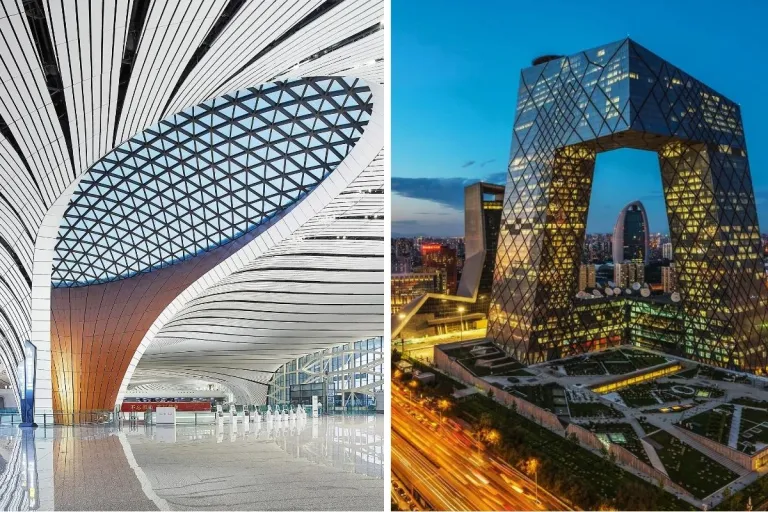 Image credit: Archinect | Official Website
~46.6 sq km
Beijing Daxing International Airport is one of the most futuristic airports ever built. Its distinctive “starfish” design isn’t just visually striking — it’s also highly functional, allowing passengers to reach their gates more efficiently despite the airport’s massive size.
Opened in 2019, it was designed to relieve congestion from Beijing’s older airport while setting new standards in efficiency and design.
For Muslim travellers, halal food options are available, but they may not always be easy to spot due to signage limitations. Prayer facilities exist, but it’s advisable to plan ahead and allocate extra time to locate them within the large terminal.
9. George Bush Intercontinental Airport, USA
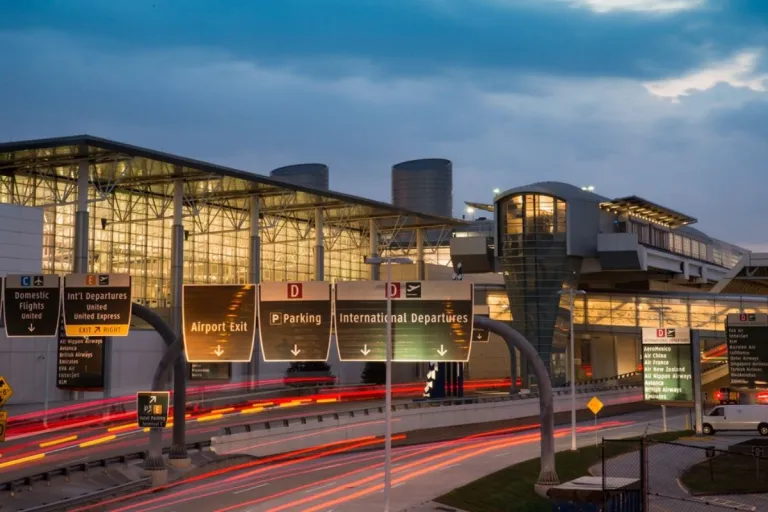 Image credit: Skytrax | Official Website
~44.5 sq km
George Bush Intercontinental Airport serves as a major hub connecting the United States with Latin America and beyond. Its large land area supports extensive cargo operations as well as passenger travel, making it a key player in international aviation.
For Muslim travellers, Houston offers a slight advantage compared to other U.S. cities due to its sizable Muslim community. This means halal food options are somewhat easier to find, although they are still not guaranteed in every terminal. As with most large airports in the U.S., a bit of preparation goes a long way.
10. Shanghai Pudong International Airport, China
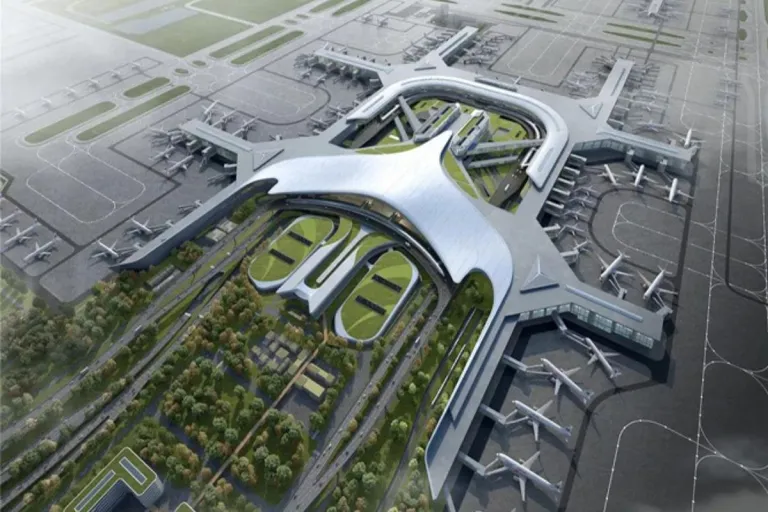 Image credit: | Official Website
~40 sq km
Shanghai Pudong International Airport is one of Asia’s busiest aviation hubs, particularly known for its high cargo volume and continuous expansion. Its modern infrastructure and large-scale operations make it a key gateway into China.
For Muslim travellers, halal food is available, but it may not always be clearly labelled in English. Doing a bit of research beforehand or recognising halal signage can help make your transit smoother.
Honourable Mention: Singapore Changi Airport
 Image credit: Pia Ong | Canva Pro
While it doesn’t rank among the largest in terms of land area, Changi Airport consistently proves that size isn’t everything. With its seamless layout, world-class facilities, and upcoming expansion plans, it remains one of the best airports globally.
For Muslim travellers, Changi offers a near-perfect transit experience. Prayer rooms are clearly marked in every terminal, halal food options are abundant, and the airport’s efficiency means less stress and more comfort throughout your journey.
Final Thoughts
At the end of the day, bigger airports aren’t just about longer walking distances, they often come with better facilities that can make your journey significantly more comfortable.
If you’re planning a long-haul trip, choosing the right transit hub can make all the difference. Airports like KLIA, Istanbul Airport, and Changi stand out not just for their scale, but for how well they cater to Muslim travellers.
Published at
About Author
Aimi Zulkiflee
Aimi is the ultimate daydreamer with a flair for adventure and an avid novel reader with a soft spot for all things fairytale. She is known for her friendly demeanor, albeit with a bit of a short temper. Forever striving to live her cutesy yet demure life.
Subscribe our Newsletter
Get our weekly tips and travel news!
Recommended Articles
Latest Articles
10 Halal Ramen in Osaka Every Muslim Travellers Have to Try At Least Once Experience Autumn Beauty: Visit These 10 Stunning Spots in Kyoto Experience Kyoto at its most gorgeous.
12 Free Attractions in Osaka, Japan to Make Your Trip More Budget-Friendly Save money on your Japan vacation!
10 Great Places to Shop for Souvenirs in Hong Kong: From Budget-Friendly Markets to Unique Keepsakes Bring home the best of Hong Kong!
8-Day Tokyo and Osaka Itinerary: From the Bustling Capital to Japan’s Kitchen Make your dream Japan trip come true!