
Iran is a safe yet often overlooked travel destination. Find out more about travel costs in Iran during my budget solo trip!
Egypt Bans Camel and Horse Rides at The Pyramids. Here’s What Muslim Travellers Should Know
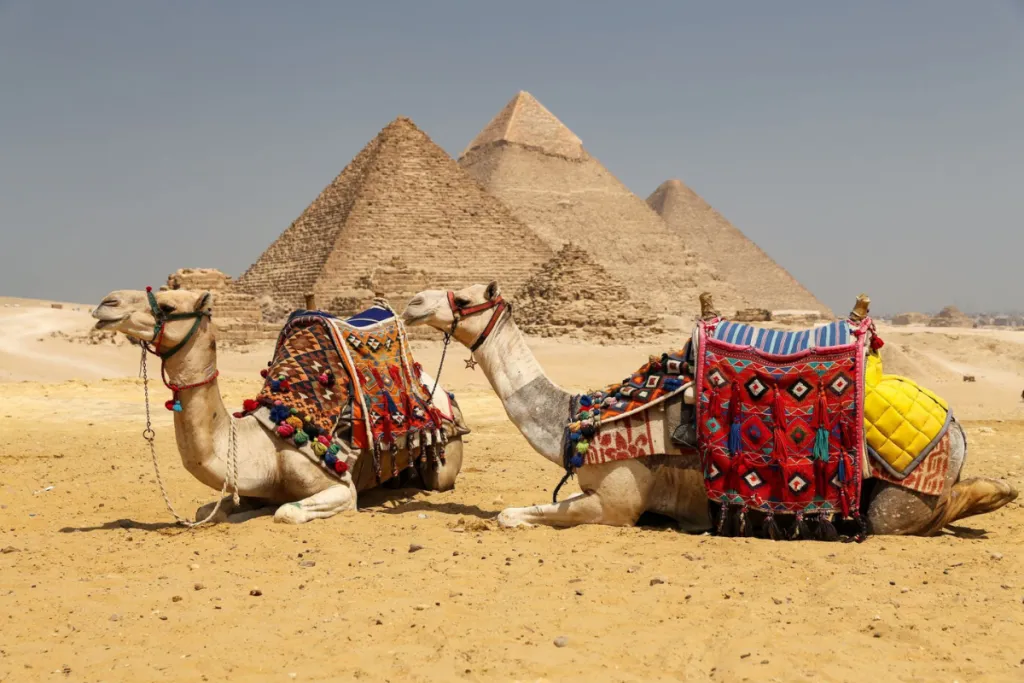
For many travellers, a trip to Egypt feels almost incomplete without standing before the Pyramids of Giza. The ancient stones, the desert light, the silhouette of the Sphinx, and the sheer scale of history all make it one of those once-in-a-lifetime travel moments.
But the way visitors experience the pyramids is changing.
Egypt is moving towards a more structured and ethical visitor experience at the Giza Plateau, with camel and horse rides being phased out or restricted around the pyramids and replaced by electric buses, shuttle carts and other more sustainable transport options. The change comes amid long-running concerns over animal welfare, visitor congestion and the need to modernise one of the world’s most iconic heritage sites.
A new way to explore the Pyramids of Giza
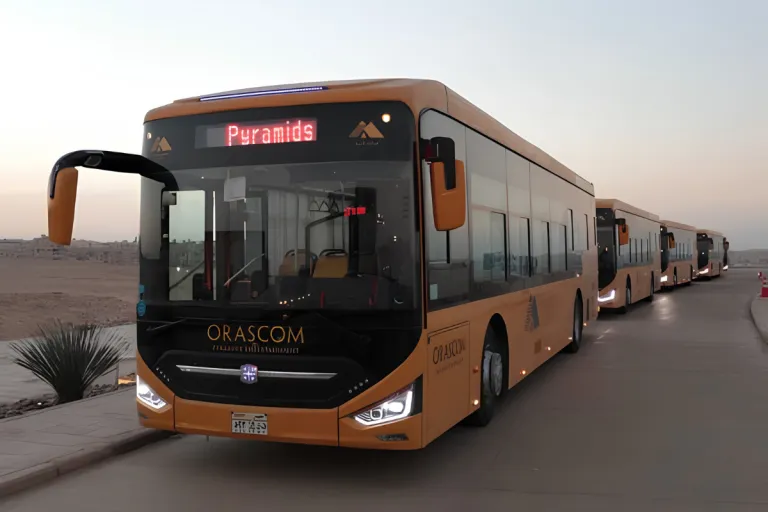 Image credit: Egypt Independent | Official Website
Under the revamped visitor system, private vehicles and tour buses are no longer allowed to drive directly into the Giza Plateau. Instead, visitors are directed through a new entrance point and transported around the site using eco-friendly electric vehicles. The aim is to reduce congestion, limit pollution and create a smoother visitor flow across the pyramids, the Sphinx and nearby tomb areas.
For travellers, this means the old experience of arriving close to the monuments by private car, tour bus, camel or horse may become less common. In its place, expect a more organised system, with designated transport routes, updated access points and a stronger push towards greener mobility.
This is part of a larger Giza Plateau revamp led by Egypt and Orascom Pyramids Entertainment, which also includes improved visitor facilities, online ticketing and restoration work around the archaeological site. Condé Nast Traveller Middle East reported that 45 electric buses are expected to serve key points across the plateau.
Why camel and horse rides are being phased out
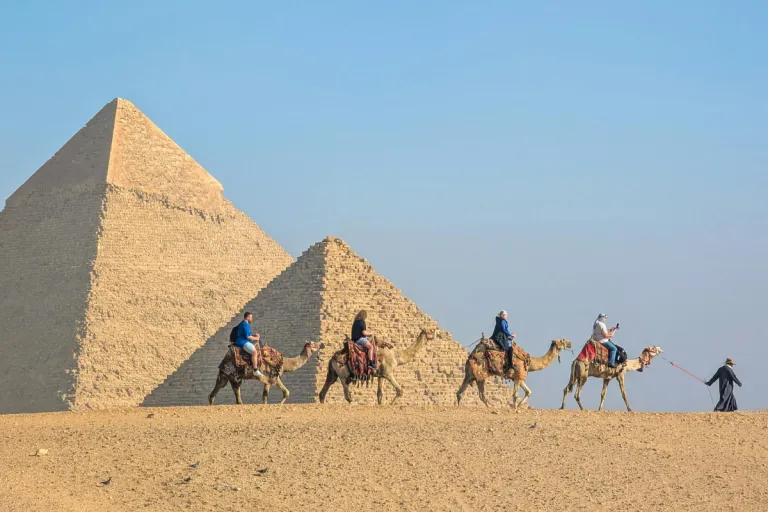 Image credit: Abu Bakar Siddique | Pexels
The move is not just about convenience. It is also about animal welfare.
For years, animal rights groups and travellers have raised concerns about how some camels and horses used for tourist rides around the pyramids were treated. Reports have alleged that animals were overworked in extreme heat, denied sufficient rest and shade, and used more as photo props than properly cared-for working animals.
As awareness of ethical travel grows, more travel companies have started dropping camel rides from Egypt itineraries. Travel Weekly reported that close to 50 tour operators and travel companies had moved away from offering camel rides in front of the Giza pyramids, including major names such as Airbnb Experiences, ToursByLocals, Abercrombie & Kent, Trafalgar, Contiki and Flash Pack.
For Muslim travellers, this adds an important ethical layer to the experience. Islam places strong emphasis on compassion towards animals and avoiding harm. While travellers may have once seen camel photos at the pyramids as a classic bucket-list moment, today’s more responsible choice may be to enjoy the view without supporting activities linked to animal mistreatment.
Not everyone is happy about the changes
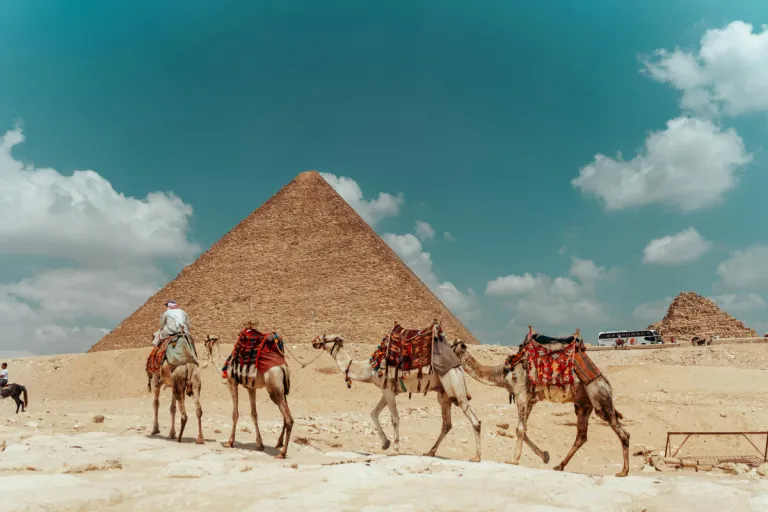 Image credit: Omar Ramadan | Pexels
The transition has not been completely smooth. Horse and camel ride operators protested the new system after being moved to designated parking zones farther from the main tourist entry points. Some operators said the relocation could affect their income, while visitors and guides also reported confusion and delays during the early trial period due to a shortage of electric vehicles.
According to Ahram Online, Egypt’s Ministry of Tourism and Antiquities said the disruption was partly caused by some animal operators failing to adhere to their designated zones, which delayed transport services within the site. The ministry also directed officials to increase the number of buses operating on the plateau to improve the visitor experience.
In other words, the system is still evolving. Travellers visiting soon should prepare for some teething issues, especially around peak hours, walking distances and transport availability.
What this means for Muslim travellers
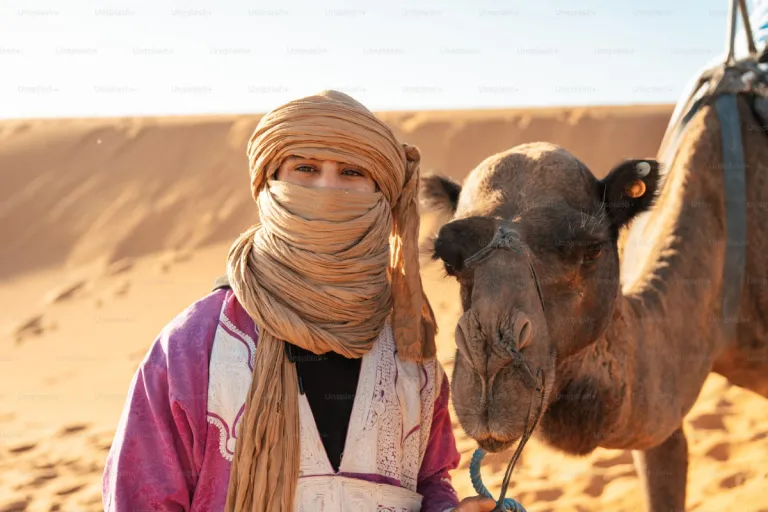 Image credit: Ahmed | Unsplash
Egypt remains one of the most meaningful destinations for Muslim travellers, especially for those interested in Islamic history, ancient civilisation and halal-friendly travel experiences. Cairo is home to beautiful mosques, rich Islamic architecture and a food culture where halal options are generally easier to find compared with many non-Muslim-majority destinations.
However, a visit to the pyramids still requires practical planning.
First, check the latest entry and transport rules before visiting, especially if travelling with elderly parents, young children or family members who may struggle with long walks. With the new system, there may be more walking involved between drop-off points, security areas and viewing spots.
Second, plan prayer times carefully. Do not assume that every tourist site has a dedicated prayer room. It is best to pray before heading to the plateau, carry a compact prayer mat if needed, and check nearby mosques or return to your hotel if your schedule allows.
Third, dress for the desert environment. Lightweight, modest and breathable clothing is ideal, especially during warmer months. A hat, sunglasses, sunscreen and a refillable water bottle can make the visit much more comfortable.
Finally, when booking tours, ask whether the itinerary includes animal rides. If it does, request an animal-free alternative such as electric shuttle transport, a guided walking route or a panoramic photo stop instead.
Better ways to enjoy the pyramids ethically
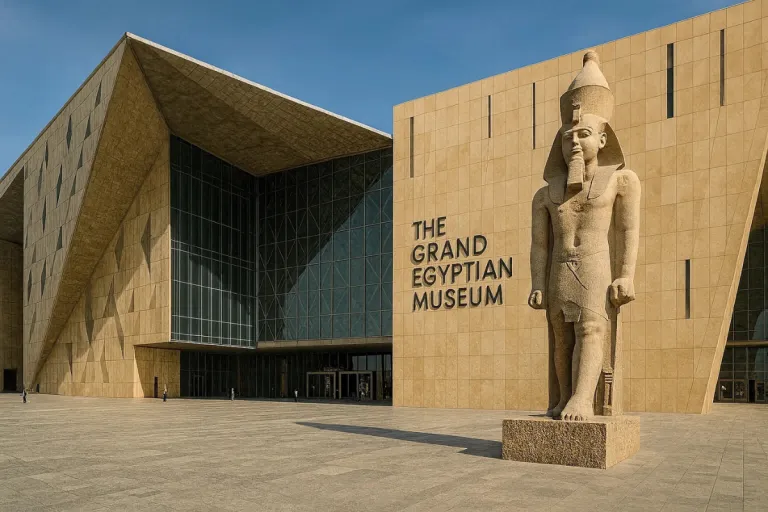 Image credit: Soul of Egypt | Official Website
The pyramids are breathtaking enough without needing to ride an animal for the photo.
Travellers can still enjoy the magic of Giza through guided history tours, panoramic viewpoints, photography stops, the Sphinx area, nearby tombs and the Grand Egyptian Museum area. Some tour operators are already replacing camel rides with more meaningful experiences, such as local meals, cultural storytelling or special-access viewpoints.
For Muslim travellers, this can make the experience feel even more intentional. Instead of rushing through the site for a staged photo, take time to reflect on the scale of ancient Egypt, the Qur’anic references to past civilisations, and the reminder that every journey can be both beautiful and mindful.
HalalZilla travel tip
If Egypt is on your travel list, this update is worth noting before your trip. The Pyramids of Giza are still open and remain one of the world’s greatest travel experiences, but the visitor system is changing.
Before going, check official updates, arrive early, allow extra time for transport within the plateau, avoid camel and horse rides, and choose tour providers that prioritise ethical and responsible travel.
The pyramids will always be iconic. Now, the hope is that visiting them can become more organised, more sustainable and kinder to the animals that have long been part of the tourism landscape.
Published at
About Author
Aimi Zulkiflee
Aimi is the ultimate daydreamer with a flair for adventure and an avid novel reader with a soft spot for all things fairytale. She is known for her friendly demeanor, albeit with a bit of a short temper. Forever striving to live her cutesy yet demure life.
Subscribe our Newsletter
Get our weekly tips and travel news!
Recommended Articles
A Muslim Traveller’s 14-Day Budget Itinerary to Iran Travel to Iran: 24 Tips for Your First Visit A MUST-READ before you travel to Iran! These Iran travel tips cover transport, accommodation, local customs & more!
Muslim Travel: 5 Things to Do in Dubai For Adrenaline Junkies Dubai is worth far more than a layover – This wondrous city has plenty to offer! Here are some exciting activities in Dubai for the Adrenaline Junkies!
25 Fun Things to Do in Iran on Your First Visit Start planning that unforgettable Iran trip! These are the best things to do in Iran – covering destinations like Tehran, Shiraz, Isfahan & more!
The REAL Iran – in Photos What’s really in Iran? See for yourself!
Latest Articles
Bangkok Declares State of Emergency Due to Flooding: Essential Travel Guidance for Muslim Travellers Stay safe, everyone!
8 Day Trips From Tokyo for Muslim Travellers to Elevate Your Japan Itinerary It's your sign to travel outside Tokyo!
The Perfect Guide for Muslim Travellers in Bangkok: Hotels, Dining, and Mosques Exploring Thailand’s vibrant capital wouldn't be complete without this guide!
Seoul Muslim Travel Guide: From Halal Eats and Prayer Spaces to Top Shopping Spots Shop till you drop, feast on delicious halal food, and find prayer rooms easily with this guide!
8 Muslim-Friendly Snacks in Tokyo You Should Try Discover 8 Muslim-friendly snacks in Tokyo, from senbei and yaki imo to halal chiffon cake, taiyaki, crepes, and street kebabs