

Looking for cheap, good and Halal food in Orchard Road? You can get a full meal under $10 at these awesome local eateries!
Seoul’s Majestic Palaces Open Their Gates for Free This Mid-February
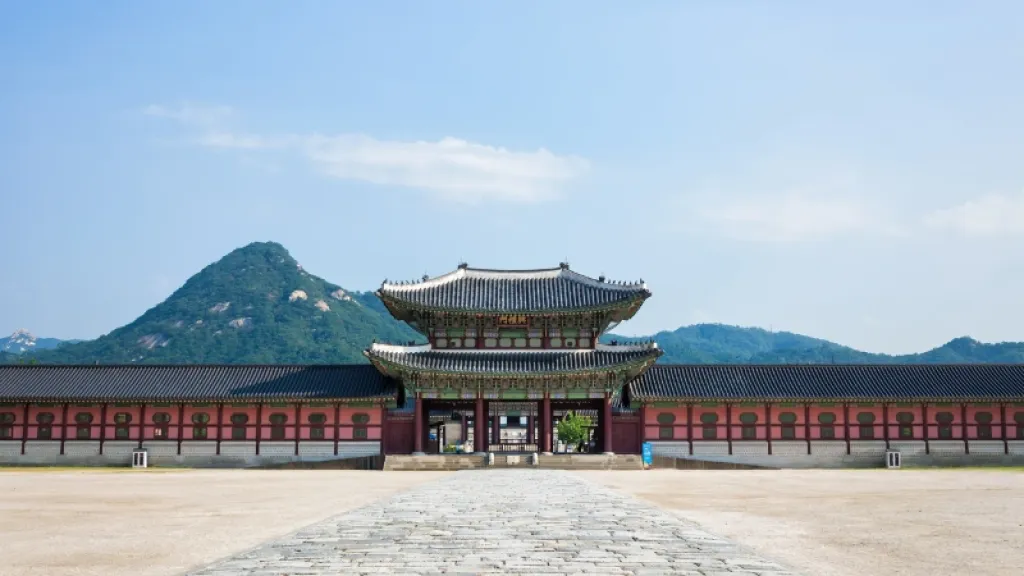
If you’re planning a getaway to Seoul this February 2026, we’ve got some fantastic news that your travel budget will absolutely love. To celebrate Seollal or Korean Lunar New Year, the South Korean government is opening the gates to its most iconic historical sites for free!
Also read: Visit Muslim-Friendly Seoul: Where to Eat, Explore and Stay!
From February 14 to February 18, 2026, you can wander through the majestic palaces of the Joseon Dynasty without spending a single Won on admission. This rare window of opportunity allows you to immerse yourself in the grandeur of ancient Korea. While wearing a hanbok usually grants you free entry year-round, during this specific period, the "free pass" applies to every visitor—no traditional dress required (though it certainly makes for better photos!).
1. Gyeongbokgung Palace
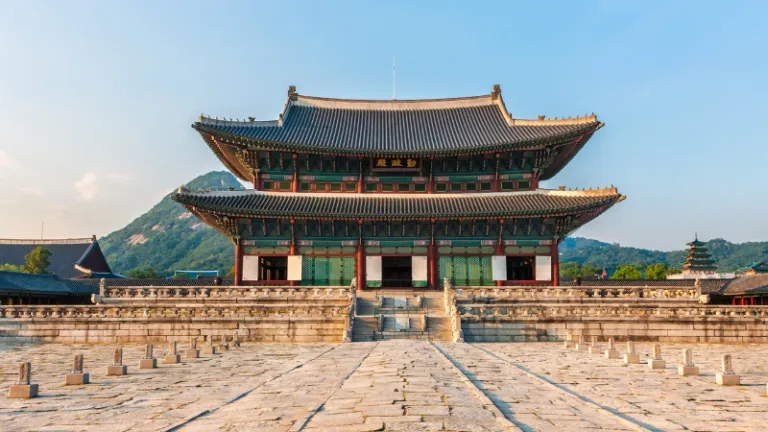
Image credit: Vincent_St_Thomas | Canva Pro
As the "Main Palace" and the largest of the five, Gyeongbokgung is a non-negotiable stop. Passing through the massive Gwanghwamun Gate, you’ll be greeted by the same expansive courtyards seen in your favorite historical dramas.
Pro Tip: Don’t miss the Changing of the Guard ceremony. The vibrant colors of the traditional uniforms against the backdrop of Bukhansan Mountain are breathtaking.
Address: 161 Sajik-ro, Jongno District, Seoul.
Hours: Daily, 09:00 AM – 06:00 PM
2. Changdeokgung Palace
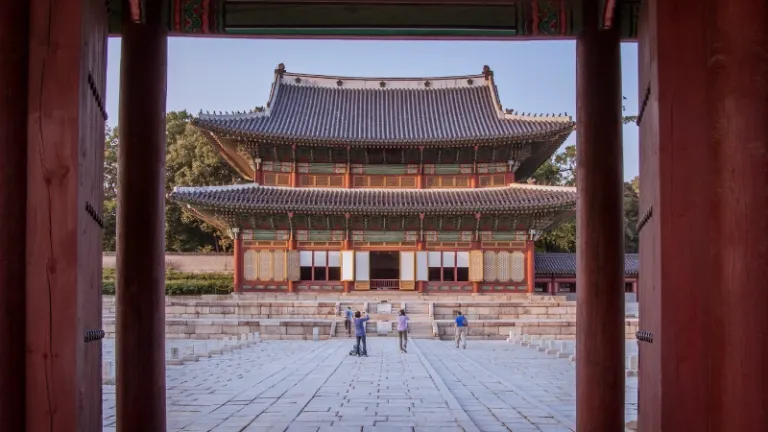
Image credit: tanaonte | Canva Pro
Often called the most beautiful palace in Seoul, Changdeokgung is a UNESCO World Heritage site designed to blend seamlessly with its natural surroundings. Walking through its artistic wooden corridors feels like stepping 600 years back in time.
Note: While the main palace area is free, the Secret Garden (Huwon) still requires a separate paid ticket and reservation.
Address: 99 Yulgok-ro, Jongno District, Seoul.
Hours: Daily, 09:00 AM – 05:30 PM
3. Changgyeonggung Palace
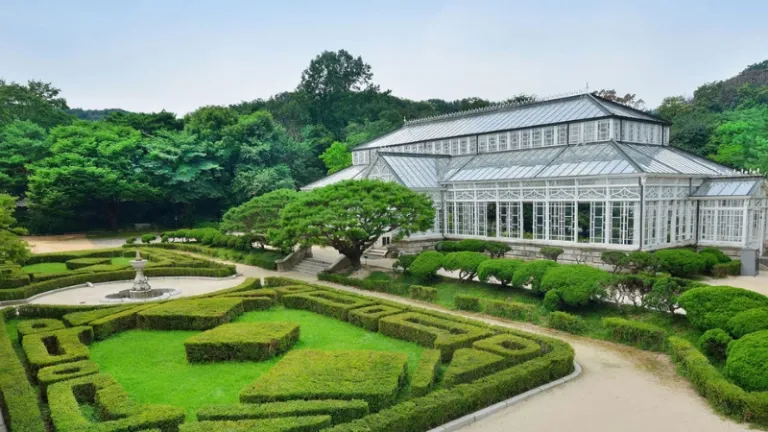
Image credit: Korea Heritage Service | Official Website
This palace is home to Daeonsil, Korea’s first Victorian-style greenhouse. Its elegant white frame is a stunning contrast to the traditional Korean structures nearby. It’s also famous for the Chundangji Pond, a serene escape from the city noise.
Atmosphere: It’s particularly magical at night when the traditional lanterns reflect off the water.
Address: 185 Changgyeonggung-ro, Jongno District, Seoul.
Hours: Daily, 09:00 AM – 09:00 PM
4. Deoksugung Palace
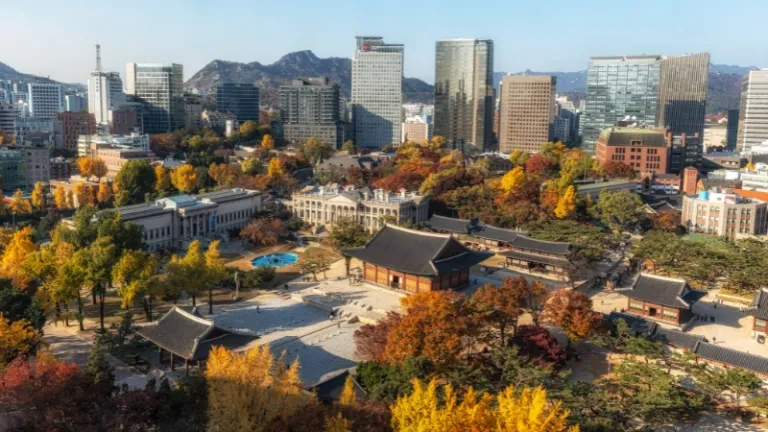
Image credit: aaron90311 | Canva Pro
Located right in the heart of downtown Seoul, Deoksugung offers a unique "East meets West" aesthetic. You’ll find the Seokjojeon, a massive Western-style stone building with majestic pillars, sitting right next to traditional pavilions.
Must Do: Take a romantic stroll along Doldam-gil (the Stone Wall Path) that surrounds the palace.
Address: 99 Sejong-daero, Jung District, Seoul.
Hours: Daily, 09:00 AM – 09:00 PM
5. Jongmyo Shrine
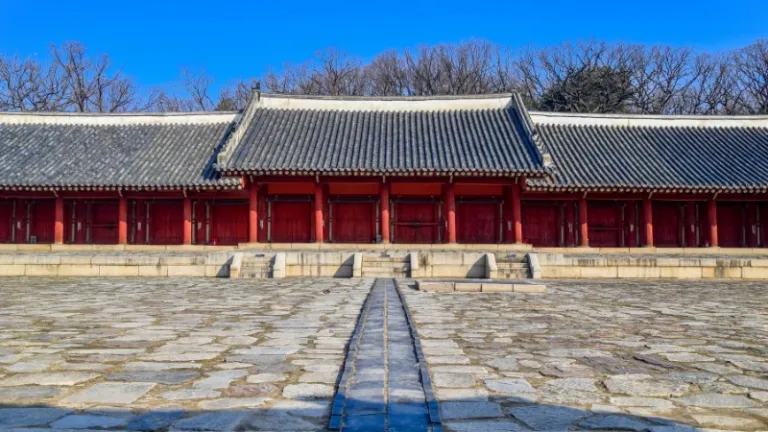
Image credit: NGCHIYUI | Canva Pro
A short walk from Changdeokgung, this shrine houses the ancestral tablets of Joseon’s kings and queens. The architecture is minimalist and solemn, radiating a sense of sacred grandeur.
UNESCO Status: It’s recognized globally for its ritual traditions that have been preserved for centuries.
Address: 157 Jong-ro, Jongno District, Seoul.
Hours: 09:00 AM – 04:40 PM (Mon–Fri), 09:00 AM – 05:30 PM (Sat–Sun).
6. Royal Tombs of the Joseon Dynasty
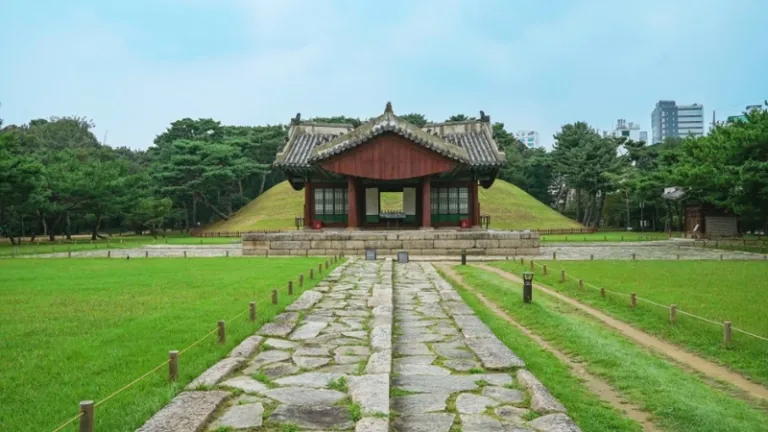
Image credit: Visit Korea | Official Website
Scattered around Seoul and Gyeonggi-do, these tombs are hidden gems for those seeking greenery. Each site features the iconic red Hongsalmun gate and stone pathways leading to the royal mounds. It’s a bit of a trek from the city center, but the peaceful forest landscape is worth it.
Essential Tips for Muslim Travelers during Seollal
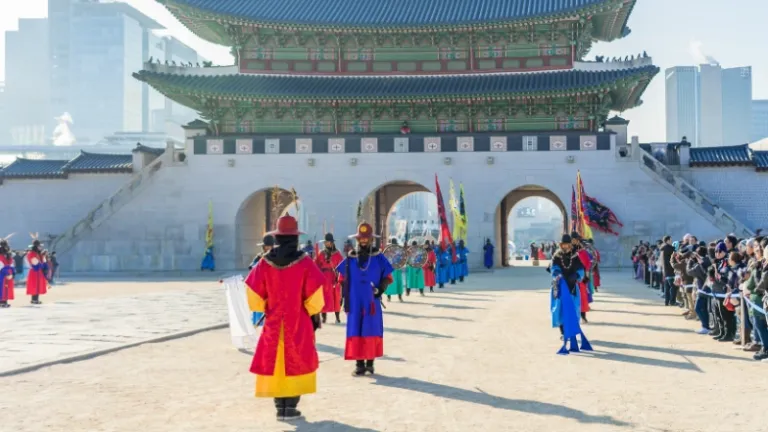
Image credit: pisitkhambubpha | Canva Pro
To ensure your holiday goes smoothly, keep these insider tips in mind:
Cultural Perks: Palaces like Gyeongbokgung often host traditional art performances during Seollal. Look out for the distribution of Sehwa (traditional paintings meant to bring good luck) to visitors!
Quiet City Vibes: Since many locals head to their hometowns, Seoul’s streets (and subways) will be significantly quieter than usual. It’s a rare chance to see the city without the usual "hustle."
Transport & Traffic: While the city is quiet, the transport out of the city is not. Trains and buses heading to other provinces will be packed. If you plan to travel outside Seoul, book your tickets way in advance.
Food & Shopping: Most major malls and tourist-heavy areas (like Myeongdong) remain open. However, smaller family-run restaurants and traditional markets might close on the actual day of Seollal.
Prayer & Halal Food: Seoul has many prayer rooms and mosques, such as Seoul Central Mosque or Masjid Hoegi. For Halal food, head to Itaewon or look for "Muslim-friendly" certified restaurants near the Jongno area, which is close to the palaces.
The Hanbok Experience: Even though entry is free for everyone, wearing a Hanbok elevates the experience. There are many rental shops near Gyeongbokgung that provide lockers for your belongings.
Also read: Where to Rent Hanbok With Hijab Options in Seoul – A Muslim Traveller’s Guide
Exploring Seoul’s palaces during Seollal is a vibe you won't get any other time of year. You’ll see local families dressed in their Sunday best, soaking in the festive atmosphere. It’s a beautiful, budget-friendly way to connect with Korean culture.
Published at
About Author
Jeihan Azalea
Jeihan is an ambitious explorer who travels the world with a pen in her hand.
Subscribe our Newsletter
Get our weekly tips and travel news!
Recommended Articles
10 Cheap Halal Food and Restaurants in Orchard Road Useful Tips for Travelling During Ramadan Do you or anyone you know face difficulties whilst travelling during Ramadan? We’ve got you covered!
10 Halal Restaurants in Bangkok to Satisfy Your Thai Cravings From Korean-style BBQ and Punjabi curries to award-winning shrimp Pad Thai, take your pick from these amazing Halal restaurants in Bangkok.
Al Meroz: A Muslim-Friendly Hotel in Bangkok, Thailand Great news for Muslim travellers: Thailand’s first halal hotel is now open to the public!
Muslim Travel: 5 Things to Do in Dubai For Adrenaline Junkies Dubai is worth far more than a layover – This wondrous city has plenty to offer! Here are some exciting activities in Dubai for the Adrenaline Junkies!
Latest Articles
Instagrammable Spots in Sabah, Malaysia Every Muslim Traveller Should Add to Their Bucket List Instagrammable Spots in Sabah, Malaysia. For Muslim travellers looking for beautiful places to explore and photograph
10 Beautiful Places in Batam, Muslim Travellers Should Visit Explore Batam home to beautiful beaches, tropical islands, green landscape for main gateways from Singapore
8 Best Halal Breakfast Spots in Batam, Indonesia discover 8 Best Halal Breakfast Spots in Batam, Indonesia from comforting noodles and \dim sum to classic batam dishes
10 Best Halal Restaurants in Macao for Muslim Travellers Explore 10 Best Halal Restaurants in Macao for a halal food hunt in Macao
Best Resorts in Sabah, Malaysia With Amazing Nature Views Discover the best resorts in Sabah, Malaysia, from beachfront escapes and island stays to rainforest retreats with stunning nature views