

It’s important to pack well for this spiritual journey so you can focus your attention on the act of worship. Here are some essentials to bring.
How to Register for Hajj: Requirements and Costs for 2026
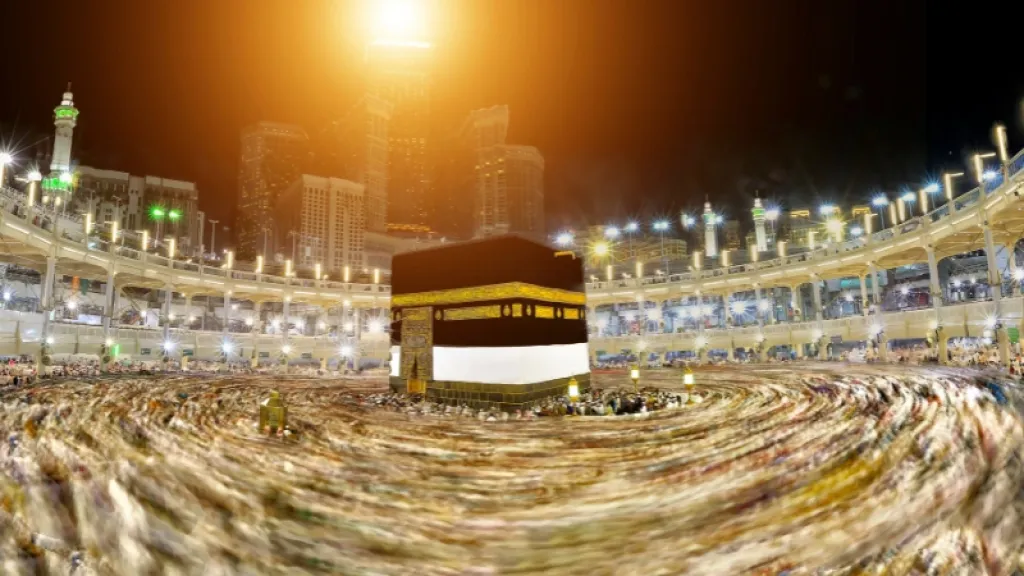
Fulfilling the Hajj pilgrimage is the ultimate dream for almost every Muslim in Indonesia. Imagine standing in front of the Ka'bah, soaking in that extraordinary spiritual atmosphere, and completing the fifth pillar of Islam. But as we all know, a strong intention isn't enough; there’s a whole administrative journey to navigate.
Also read: Hajj Furoda Visa: Requirements, Costs, and How to Get It for Indonesian Citizens
Many people think the process is a tangled mess, but it’s actually quite systematic once you break it down. As a travel writer, I’m constantly asked: "How do I actually register for Hajj without getting confused?" Well, if your heart is set and your savings are growing, let’s unpack the steps in a relaxed yet informative way. Here is your complete guide!
Prepare Your Mindset and Documents: Key Requirements
 Before you rush to the bank or the Ministry of Religious Affairs (Kemenag), make sure you meet the basic criteria. The government maintains strict rules because Hajj is a specialized worship performed at a specific time.
Based on the latest 2026 regulations, here are the mandatory requirements:
Must be Muslim: Naturally, as this is a specific Islamic pilgrimage.
Minimum Age: You can register once you turn 12 years old. This is why I haven't been able to register my two children (aged 8 and 3) just yet; for now, I can only sign up with my husband. However, keep in mind that for independent departure, the age requirement is usually 18.
Valid Identity: Prepare your KTP (ID card) according to your domicile, Family Card (KK), and supporting documents like a Birth Certificate, Marriage Book, or Diploma.
Health: You must be physically and mentally fit, as Hajj is a physically demanding journey.
Initial Funds: You need a Hajj savings account at a government-appointed bank (BPS). I personally use my local regional bank for this.
Step-by-Step Guide: Registering for Regular Hajj
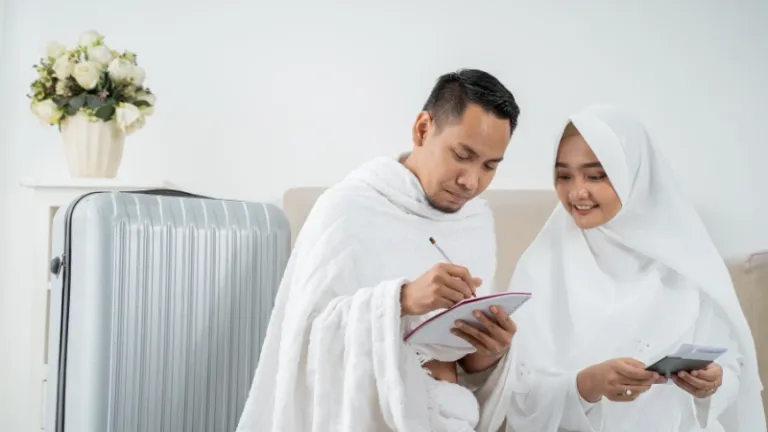 The registration process in Indonesia isn't instant. It’s managed through an official system called SISKOHAT (Integrated Hajj Computerized System), which handles everything from your data to your queue number.
1. Open a Hajj Savings Account (BPS-BPIH)
The first step in the Hajj registration process is visiting a designated Sharia Bank. You’ll need to open an account in your name and make an initial deposit of Rp25 million. This money is then transferred to the Hajj Financial Management Agency (BPKH) to secure a validation number. Pro tip: Keep your proof of deposit safe—it’s the key to the next step!
2. Visit the Local Kemenag Office
Once the bank business is done and you have your validation number, head straight to the Kemenag office in your city or regency. Crucial: You must do this verification within 5 working days of paying your initial deposit.
3. Verification and Getting Your "Portion Number"
At the Kemenag office, officers will verify your documents. You’ll fill out the Hajj Registration Form (SPPH), take a photo, and record your fingerprints (biometrics). Once complete, you’ll receive a registration slip containing your Portion Number. This number is your golden ticket—it’s the official proof that you are in the national queue for departure.
The Faster Alternative: Hajj Plus
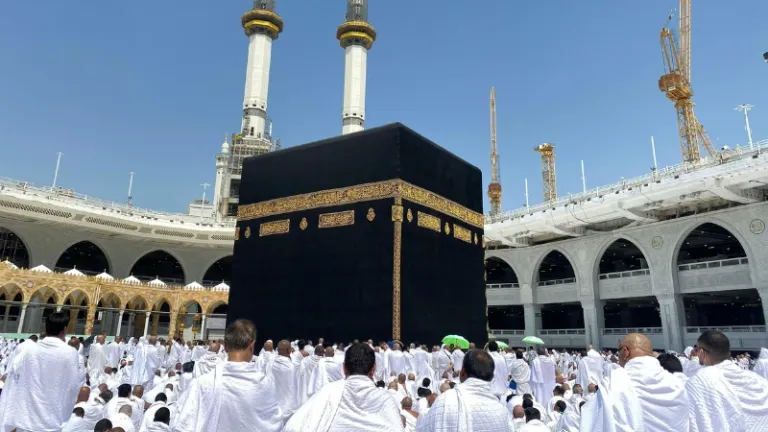 If the waiting list for Regular Hajj feels too long (it can span decades!), you might want to consider Hajj Plus. This is organized by private travel agencies (PIHK) with official licenses.
The differences are quite significant:
Waiting Time: Hajj Plus usually has a wait of only 5 to 9 years, much shorter than the Regular Hajj which can range from 18 to 47 years in some regions.
Cost: You get what you pay for. The initial deposit for Hajj Plus usually starts at USD 4,500 (approx. Rp68 million), with total costs reaching Rp150-160 million depending on exchange rates and facilities.
Facilities: Hotels closer to Masjidil Haram and more private services are the main draws here.
Hajj Cost Estimates for 2026: What to Budget?
 The government adjusts Hajj costs annually. For 2026, the total cost per pilgrim (BPIH) is estimated to be around Rp89.4 million.
But don't panic! You don't pay that full amount yourself. Pilgrims typically only need to pay around Rp55.4 million (Bipih), while the rest is covered by the "Value of Benefit" funds managed by BPKH. Since you already paid Rp25 million at the start, you’ll only need to settle the remaining Rp30 million or so as your departure date approaches.
Top Tips for Hajj Applicants
Check Your Departure Estimate: Once you have your portion number, keep an eye on your estimated departure year via the Haji Pintar app
Register Online: Kemenag now offers an online registration option through the Haji Pintar app. You can simply upload your KTP and proof of deposit there.
Save Early: Given the cost and long wait, start a Hajj fund as early as possible—even for your kids! I’ve already started accounts for mine.
Stay Fit: Hajj is a physical marathon. While you wait, maintain a healthy lifestyle so you’re in peak condition when your turn finally comes.
Also read: Umrah & Beyond: Must-Visit Tourist and Historical Sites in Makkah and Madinah
Registering for Hajj requires a massive amount of patience, from saving the funds to waiting out the long queue. However, by understanding the correct registration steps, you’ve already secured your administrative spot. May your intention to become a guest of Allah be made easy. See you in Baitullah! 🕋✨
Published at
About Author
Subscribe our Newsletter
Get our weekly tips and travel news!
Recommended Articles
What to Pack for a Hajj or Umrah Pilgrimage Saudi Arabia to Introduce Electronic Visa for Hajj and Umrah Pilgrims Electronic visas will be issued for both Hajj and Umrah pilgrims within minutes in a bid to boost the number pilgrims.
New Saudi Instant e-Visas for Jeddah Season Visitors The Jeddah Season is scheduled to play out from 8 June to 18 July 2019. Jeddah Season visitors can expect more than 150 activities and events of music, arts, culture and sports. The events are to take place at five main destinations around Jeddah and is part of the government’s efforts to turn the city […]
Holy Kaaba Undergoing Periodic Maintenance The Holy Kaaba, within Mecca’s Grand Mosque, is currently undergoing maintenance under the care of the Saudi government.
Hajj 2019: This Malaysian Couple Has Been Driving Through 8 Countries to Mecca Muslims travel from all parts of the globe to the Holy Land. This Malaysian couple is driving across eight countries in hopes of performing hajj in Mecca.
Latest Articles
Halal-Certified Cafes & Restaurants in Bandung for a Delicious Food Trip Discover halal-certified cafes and restaurants in Bandung, serving delicious Indonesian, Western and Asian dishes perfect for Muslim travellers
12 Muslim-Friendly Destinations in Kota Kinabalu, Malaysia That Are Worth Visiting Explore the best of Kota Kinabalu, Borneo! From stunning landscapes to historic Islamic landmarks and prayer spaces, plan your perfect trip to Sabah
11 Aesthetic Cafes in Kota Kinabalu, Malaysia for Coffee and Chilling cafes in Kota Kinabalu serve quality coffee, delicious desserts, and local favourites, making them perfect for relaxing after a day of sightseeing
A Complete Manila Travel Guide for Muslim Travelers: Hotels, Halal Eats, and Mosques Find halal eats, prayer spaces, and where to go with this guide.
Muslim-Friendly Activities in Macao You Can Enjoy with Your Family Looking for things to do in Macao besides casinos? Discover 10 Muslim-friendly and family-friendly activities for your next trip