
Looking for cheap, good and Halal food in Orchard Road? You can get a full meal under $10 at these awesome local eateries!
Fujisawa Mosque Protests in Japan: What Muslim Travellers Need to Know (2026 Guide)
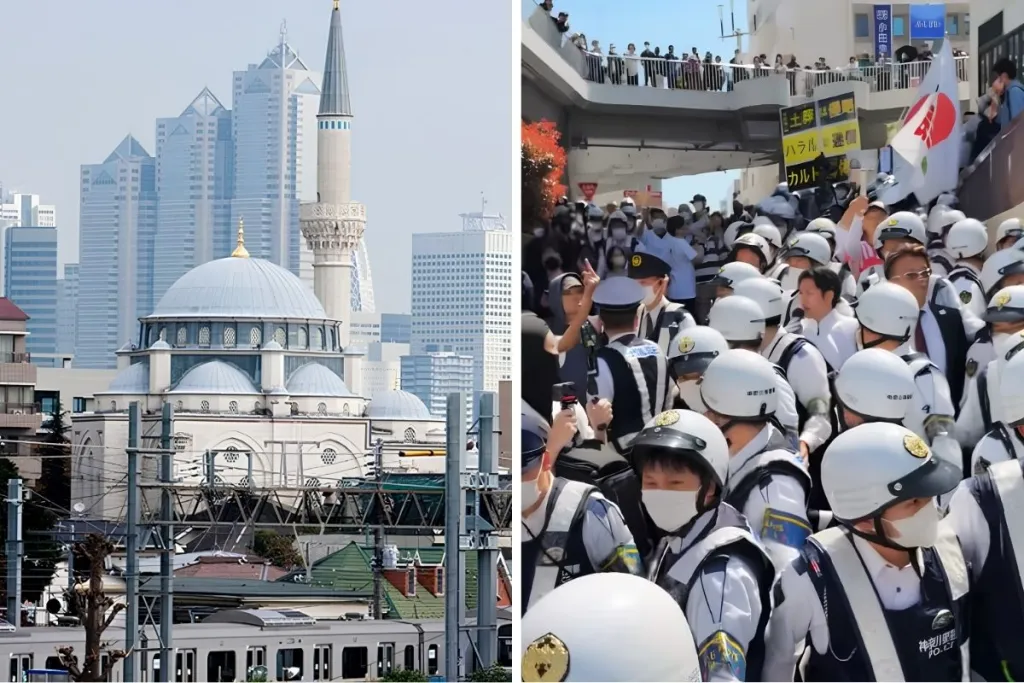
Japan has long been a dream destination for many Muslim travellers — think serene shrines, stunning seasons, and increasingly, more halal-friendly options. But recently, a story out of Fujisawa has sparked conversations that go beyond travel, touching on culture, community, and coexistence.
Also read: Japan’s Famous Punch the Monkey: Where to See Him & How to Support Ichikawa Zoo
What’s Happening in Fujisawa?
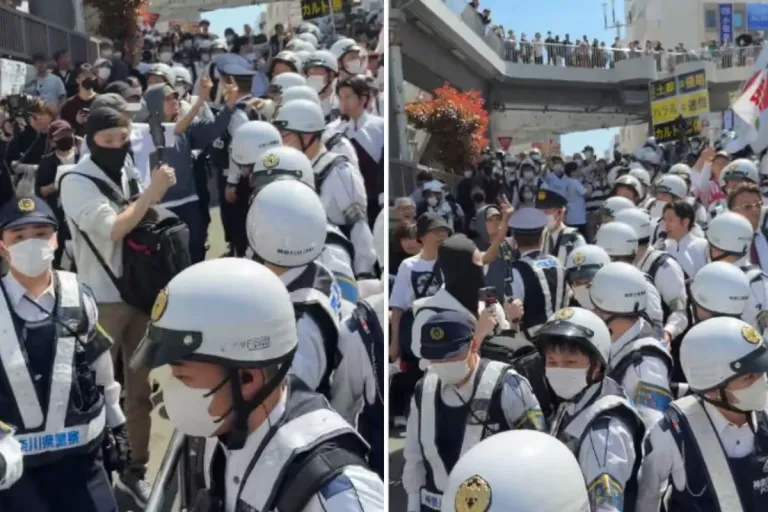
Image credit: @lucidlarry | Tiktok
Plans to build what would be Fujisawa’s first mosque have triggered large-scale protests, with thousands of residents gathering to oppose the project.
Demonstrators have been seen chanting against the construction, raising concerns about:
Cultural differences
Noise levels (especially related to prayer calls)
Traffic and congestion
The overall impact on the local community
Some residents even argued that the mosque’s size could surpass nearby traditional structures like Shinto shrines, framing it as a challenge to local cultural identity.
At several points, tensions escalated enough that public meetings became heated, with reports of police intervention to maintain order.
The Mosque Project: What We Know
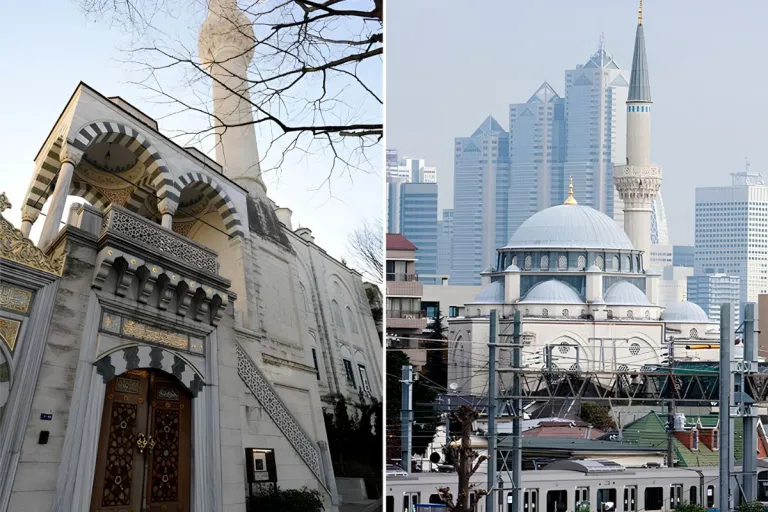 Image credit: Reddit | Official Website
The proposed mosque is planned in a residential part of Fujisawa and is expected to be a modest, two-storey facility, not a mega complex, but a functional community space for prayer.
The group behind the project has stated that they will:
Fully comply with Japanese laws and zoning regulations
Take steps to minimise noise, potentially keeping the adhan indoors
Manage traffic flow during peak prayer times
Importantly, local authorities have indicated that the project meets legal requirements, meaning it can proceed under standard urban planning rules.
Why This Is Happening Now
This situation isn’t happening in isolation; it reflects a bigger shift across Japan.
Over the past decade, Japan has seen a steady rise in its Muslim population, driven by:
International students
Foreign workers
Technical trainees from countries like Indonesia, Pakistan, and Bangladesh
With that growth comes a natural need for more prayer spaces and community hubs, especially outside major cities like Tokyo or Osaka.
In fact, the number of mosques across Japan has more than tripled over the years, showing how the country is slowly adapting to a more diverse population.
A Deeper Issue: Culture, Comfort & Coexistence
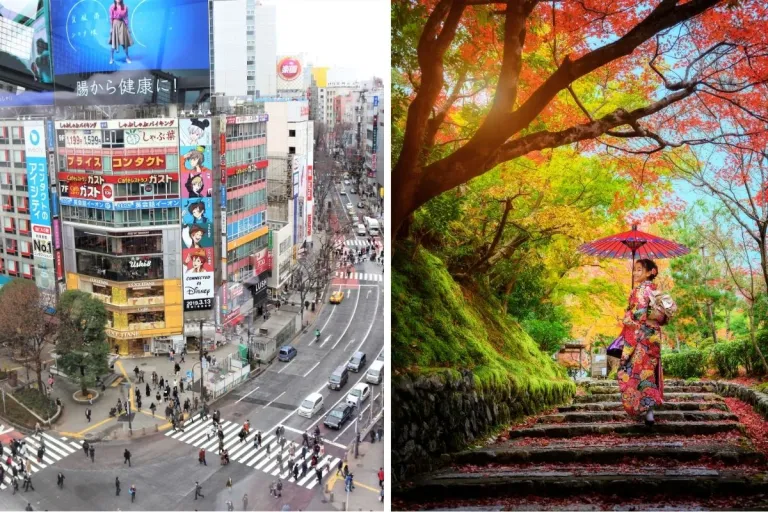 Image credit: lasluana | Getty Images
What’s happening in Fujisawa highlights something many Muslim travellers don’t always see on the surface.
Japan is:
Deeply rooted in tradition
Increasingly exposed to global cultures
Still figuring out how to balance both
For many locals, concerns about the mosque aren’t always about religion itself, but about familiarity, daily lifestyle changes, and uncertainty.
At the same time, for Muslim residents and travellers, access to a mosque isn’t just a convenience, it’s an essential part of daily life.
What Muslim Travellers Should Know
For those of us planning a trip to Japan, the takeaway is actually quite reassuring, but with a bit of awareness. In major cities, the experience remains incredibly smooth. You’ll find halal restaurants, prayer spaces, and even mosques that are well integrated into the community.
In smaller cities like Fujisawa, things are still evolving. Facilities may be more limited, and local communities may not yet be as familiar with Muslim needs. That doesn’t mean you shouldn’t visit, it just means planning ahead becomes even more important. A quick search for nearby mosques, saving halal food spots, or timing your day around prayer breaks can make a big difference.
Muslim Traveller Hacks Around Fujisawa
If you do find yourself exploring Fujisawa, especially since it’s close to popular spots like Enoshima, here’s a simple guide to help you navigate as a Muslim traveller.
1. Finding Halal Food Nearby
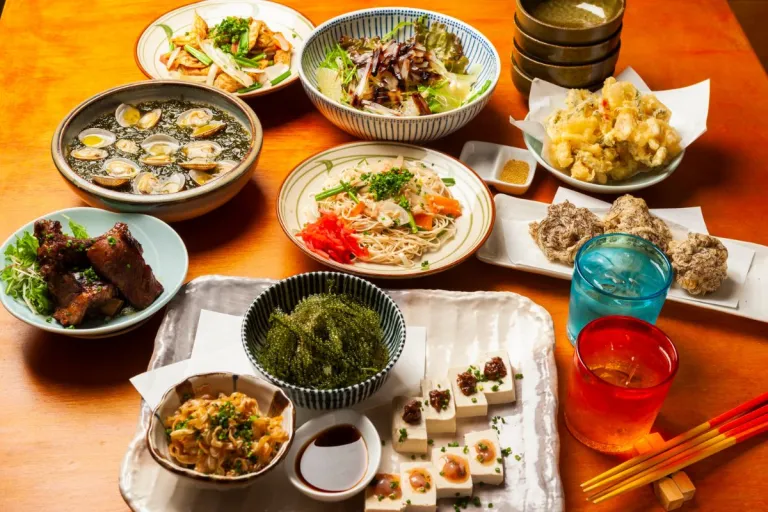 Image credit: Aflo Images | Canva Pro
Fujisawa itself has limited halal-certified options, but you’ll still find a few Muslim-friendly choices if you know where to look. Small kebab shops, Indian restaurants, and vegetarian-friendly cafés are your best bet in this area. For a wider variety, heading slightly out toward nearby hubs like Yokohama will open up more halal-certified restaurants.
A practical tip many Muslim travellers swear by: search for mosques nearby — halal food tends to cluster around them.
Fujisawa isn’t (yet) a halal hotspot, so here’s how to navigate it like a pro:
a. Think “Muslim-friendly”, not just halal-certified
Look out for:
Indian restaurants
Turkish kebab shops
Seafood-based meals
b. Follow the “mosque cluster rule”
Halal food is often located near mosques, another reason why combining your Tokyo mosque trip with meals is a smart move.
c. Convenience stores can be lifesavers
You’ll find:
Tuna onigiri
Plain bread
Fruits & salads
Just double-check labels (avoid mirin, pork extract, etc.).
2. Finding a Mosque Near Fujisawa (And How to Get There Smoothly)
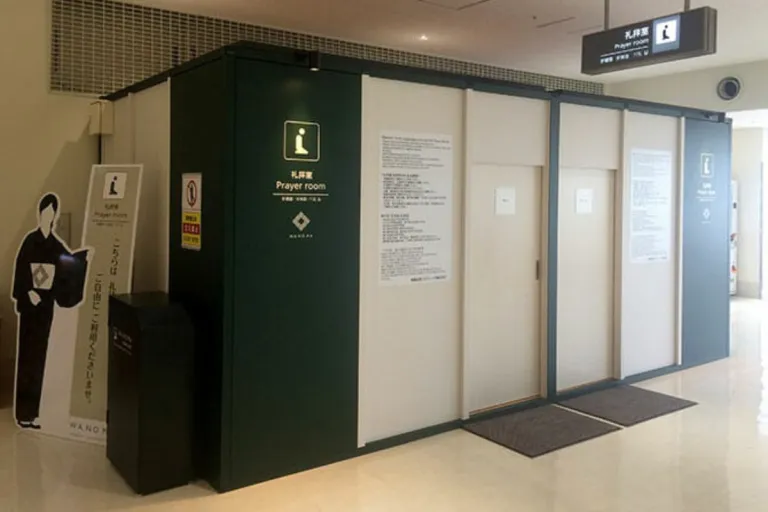 Image credit: Japan Design | Official Website
While Fujisawa is still developing its own Muslim-friendly infrastructure, the good news is, you’re actually very close to some of Japan’s most established mosques. The most accessible and well-known option is Tokyo Camii, often considered the largest and most beautiful mosque in Japan.
Getting there is surprisingly easy (and honestly, very “Japan-efficient”). From Fujisawa, you can hop on a direct JR train toward Tokyo, with journeys taking around 45 to 60 minutes depending on your route.
Train tickets are also quite affordable:
~¥800–¥1,100 (S$6–S$9) for a regular train
Faster or reserved-seat options can go up to ~¥2,000–¥3,000+
Trains run every few minutes, so you won’t need to stress too much about timing, something that really helps when you’re planning around solat.
Step-by-Step: Fujisawa → Tokyo Camii
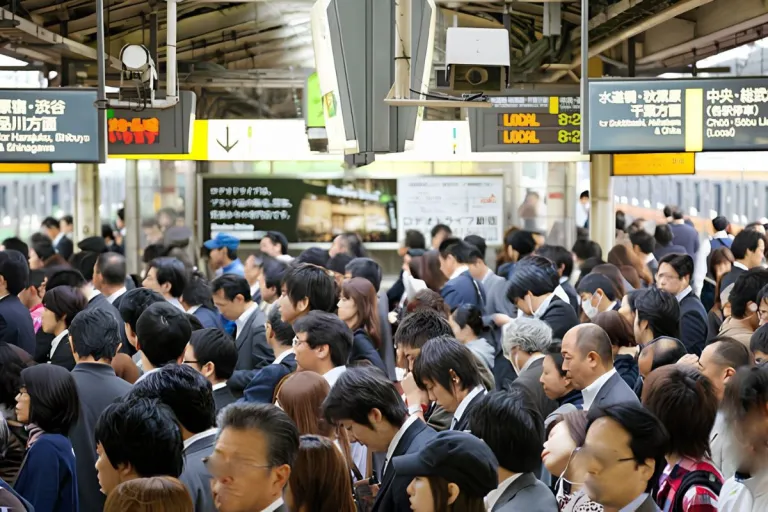 Image credit: Takumick | Official Website
If you want a simple, Muslim-traveller-friendly route, here’s the easiest flow:
Start at Fujisawa Station
Take a JR Line (Tokaido Line or Shonan Line) toward Tokyo/Shibuya
Get off at Shibuya or Shinjuku
Transfer to a local line to Yoyogi-Uehara Station (nearest to Tokyo Camii)
Walk about 5–7 minutes to the mosque
Total travel time: ~1 hour to 1 hour 20 minutes, depending on transfers
Estimated total cost: ~¥800–¥1,500
It sounds like a few steps, but Japan’s train system is incredibly well signposted, even first-time travellers usually find it manageable.
A Practical Reality (And Why It Still Works)
What’s happening in Fujisawa might sound a little concerning at first, but from a travel perspective, Japan is still one of the easiest non-Muslim countries to navigate, as long as you plan ahead.
Yes, smaller cities are still adapting. Yes, mosque access might require a short train ride. But thanks to Japan’s efficiency, even a 1-hour journey feels smooth, predictable, and honestly… part of the experience.
And that’s the beauty of travelling here, you’re not just visiting Japan, you’re experiencing a country that’s slowly opening up, one step at a time.
Also read: Japan Introduces JESTA From 2028: A Complete Guide for Muslim Travellers
A Country That’s Still Evolving
Japan remains one of the most rewarding destinations you can visit, and for Muslim travellers, it’s a place that’s clearly trying to grow more inclusive, step by step. Stories like Fujisawa may highlight challenges, but they also show something important: conversations are happening.
And that’s often where understanding begins.
So if Japan is on your bucket list, don’t hesitate. Just travel a little smarter, stay aware, and embrace the journey, because this is a country that’s evolving in real time, and you get to be part of that story.
Published at
About Author
Aimi Zulkiflee
Aimi is the ultimate daydreamer with a flair for adventure and an avid novel reader with a soft spot for all things fairytale. She is known for her friendly demeanor, albeit with a bit of a short temper. Forever striving to live her cutesy yet demure life.
Subscribe our Newsletter
Get our weekly tips and travel news!
Recommended Articles
10 Cheap Halal Food and Restaurants in Orchard Road Useful Tips for Travelling During Ramadan Do you or anyone you know face difficulties whilst travelling during Ramadan? We’ve got you covered!
10 Halal Restaurants in Bangkok to Satisfy Your Thai Cravings From Korean-style BBQ and Punjabi curries to award-winning shrimp Pad Thai, take your pick from these amazing Halal restaurants in Bangkok.
Al Meroz: A Muslim-Friendly Hotel in Bangkok, Thailand Great news for Muslim travellers: Thailand’s first halal hotel is now open to the public!
17 Muslim-Friendly Travel Destinations to Visit in 2017 Check out these 17 Muslim-friendly travel destinations for your next holiday. Finding halal food will not be a problem anymore!
Latest Articles
12 Free Attractions in Osaka, Japan to Make Your Trip More Budget-Friendly Save money on your Japan vacation!
10 Great Places to Shop for Souvenirs in Hong Kong: From Budget-Friendly Markets to Unique Keepsakes Bring home the best of Hong Kong!
8-Day Tokyo and Osaka Itinerary: From the Bustling Capital to Japan’s Kitchen Make your dream Japan trip come true!
Say Goodbye to Dotonbori’s Iconic Glico Running Man Sign: A Brand-New Look Is Coming Soon This is your final chance to capture the iconic neon sign!
8 Best Spots in Osaka to Enjoy Autumn Colours, From Parks to Waterfall Experience Osaka in full autumn bloom.