

Who says Halal/Muslim-friendly food is hard to find in Japan? These Japanese treats, from Senbei to Taiyaki, will delight Muslim travellers in Tokyo.
Mount Fuji Eruption Guide: What Muslim Travellers Need to Know
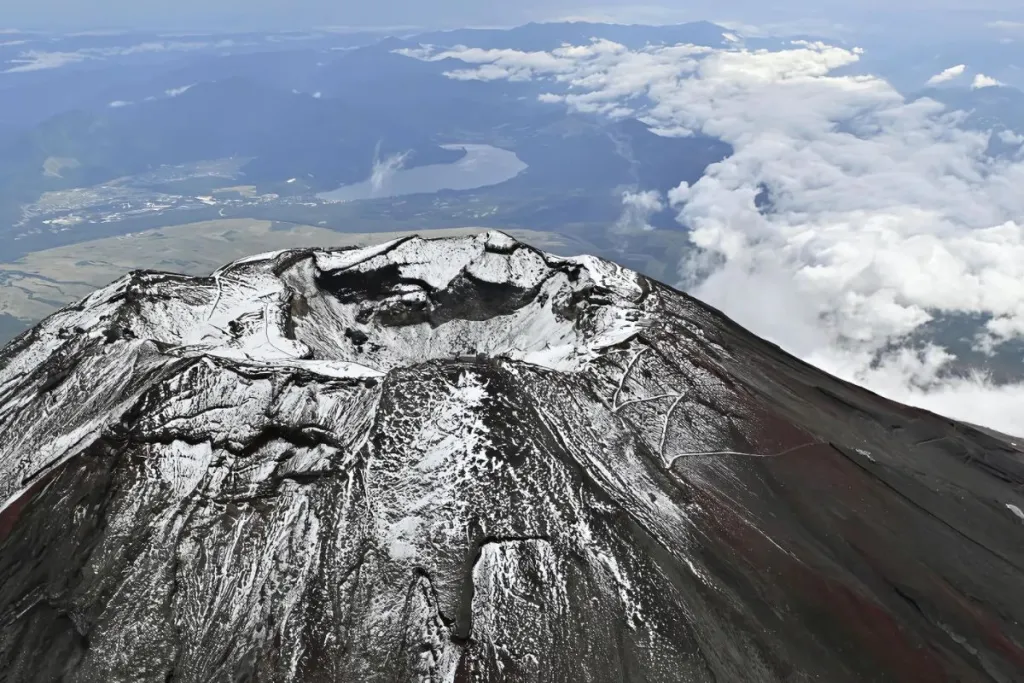
Mount Fuji—Japan’s iconic, snow-capped volcano—is a breathtaking sight, visible from Tokyo on a clear day. But while it might look serene, it’s actually an active volcano that last erupted 318 years ago during the Hoei eruption. Now, Japanese authorities are reminding everyone that, while there are no signs of immediate danger, it’s always good to be prepared. So, what would happen if Mount Fuji erupted today? And how can residents—and Muslim travellers—stay safe? Let’s break it down.
Also read: 10 Halal Anime Food Guide for Muslim Travellers in Japan
A massive eruption could cause widespread ashfall
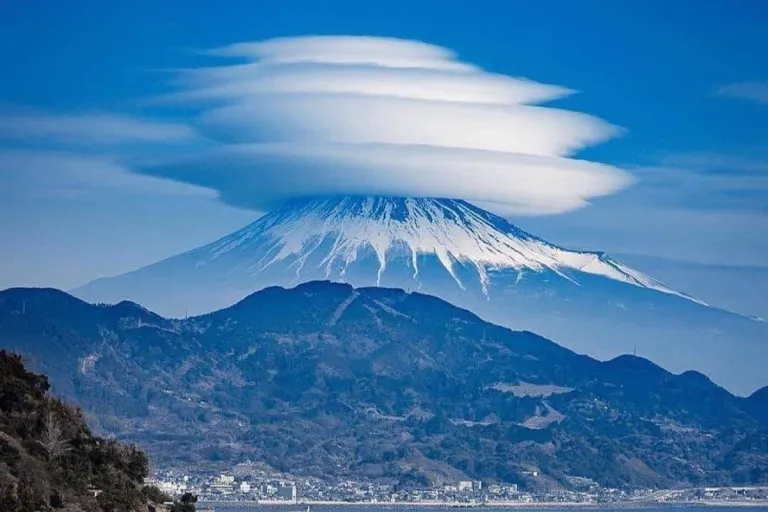 Image credit: @ath_petr | Official X
Experts warn that a future eruption could be large-scale and explosive, covering Tokyo and surrounding areas in thick layers of volcanic ash. According to government estimates, a Mount Fuji eruption could spew out a staggering 1.7 billion cubic meters (60 billion cubic feet) of volcanic ash. That’s enough to blanket roads, buildings, and just about everything else in sight.
The sky wouldn’t just turn grey—it would likely go completely dark, even in the middle of the day. The sheer amount of ash could cause serious disruptions, from power outages to transportation shutdowns. In fact, if just 3 cm (1.2 inches) of ash accumulates on the ground and then gets soaked by rain, roads could become impassable. That means cars, buses, and even emergency vehicles would struggle to move. Trains? They could stop running altogether.
What should people do if it happens?
According to Japan’s newly issued guidelines, the best plan for most people is to stay indoors and have at least two weeks’ worth of essentials—including food, water, and other daily necessities. Why so long? Because supply chains would likely be disrupted, making it difficult to access groceries, medical supplies, or even electricity. Stocking up ahead of time is key.
However, in cases where the ash piles up beyond 30 cm (12 inches), wooden houses might not be able to bear the weight and could collapse. In those situations, evacuation would be necessary.
Economic impact: A $16.6 billion disaster
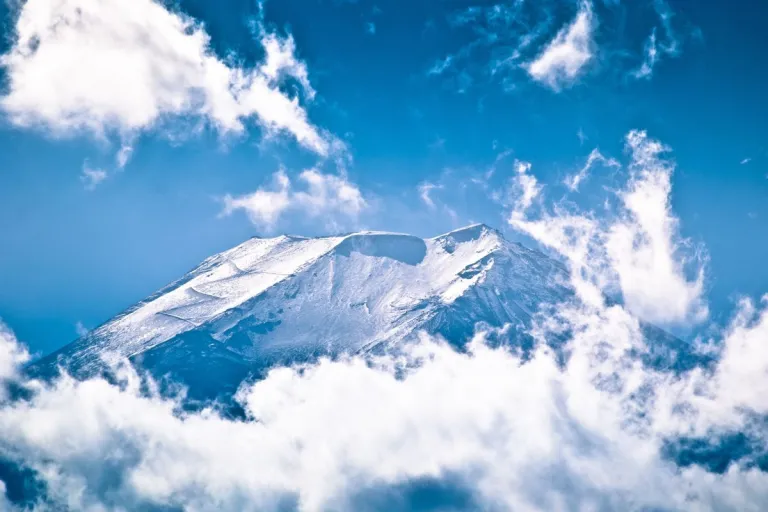 Image credit: peterng1618 | Canva Pro
A full-scale Mount Fuji eruption wouldn’t just be a travel inconvenience—it could have massive economic consequences. Officials estimate the total damage could reach 2.5 trillion yen ($16.6 billion). Think about it: infrastructure damage, business closures, halted transportation, and a sudden hit to Japan’s tourism industry. It would be a long and costly road to recovery.
What does this mean for Muslim travellers?
If you’re a Muslim traveller visiting Japan, it’s especially important to stay informed about natural disaster risks. In the event of an eruption, access to halal food and prayer facilities may become challenging due to supply chain disruptions and transportation shutdowns. Stocking up on halal-certified snacks and bottled water before any potential emergency can help.
Additionally, if evacuation is necessary, it’s worth noting that many mosques in Japan, such as the Tokyo Camii and Kobe Mosque, have served as community shelters during past disasters. Checking local Muslim travel networks and staying updated with government alerts can be crucial for a smooth response in case of an emergency.
Also read: 8 Muslim-Friendly Hotels in Tokyo For Your Next Stay
Final thoughts
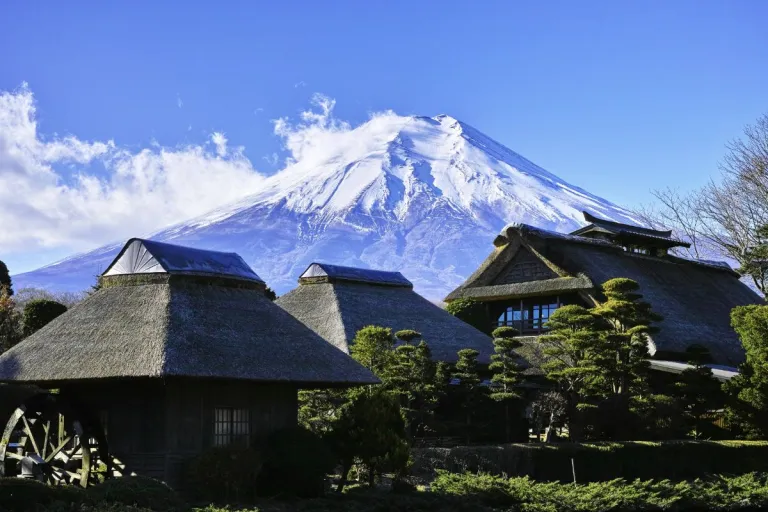 Image credit: koshinuke_mcfly | Canva Pro
Japan is known for its meticulous disaster preparedness, and these new guidelines show just how seriously the country takes its safety. Whether you’re a local or a visitor, understanding the risks and knowing how to respond can make all the difference. Let’s hope Mount Fuji stays peaceful, but if it ever does wake up, at least we’ll all be ready.
Published at
About Author
Aimi Zulkiflee
Aimi is the ultimate daydreamer with a flair for adventure and an avid novel reader with a soft spot for all things fairytale. She is known for her friendly demeanor, albeit with a bit of a short temper. Forever striving to live her cutesy yet demure life.
Subscribe our Newsletter
Get our weekly tips and travel news!
Recommended Articles
8 Muslim-Friendly Snacks to Try in Tokyo Tourism New Zealand Adds 289 Restaurants & Cafes to Its Halal Food Guide! Muslim foodies, make New Zealand your next travel destination now!
Japan, Croatia and New Zealand to Introduce Tourist Taxes in 2019 Due to threats posed by overtourism, some countries have resorted to implementing tourist taxes to curb the influx of visitors.
Muslim Travellers Wanted in Four East Asia Countries Japan, Hong Kong, South Korea and Taiwan are ramping up their Muslim-friendly infrastructure to embrace more Muslim travellers.
Sakura Season: Japan’s Cherry Blossoms Bloom Early in 2019 If you want to witness cherry blossom season in Japan this year, you may need to advance your travel plans.
Latest Articles
A Complete Manila Travel Guide for Muslim Travelers: Hotels, Halal Eats, and Mosques Find halal eats, prayer spaces, and where to go with this guide.
Muslim-Friendly Activities in Macao You Can Enjoy with Your Family Looking for things to do in Macao besides casinos? Discover 10 Muslim-friendly and family-friendly activities for your next trip
Muslim-Friendly Travel in Ibiza: Where to Go & Where to Pray Explore Ibiza, Spain, beyond nightlife with beautiful beaches, historic landmarks, charming villages, and Muslim-friendly prayer spaces
10 Popular Nasi Kandar Restaurants in Kuala Lumpur, Malaysia That You Must Try Looking for nasi kandar in Kuala Lumpur? Discover 10 popular restaurants serving authentic Malaysian rice, curry, meat, seafood, and more
10 Best Halal Indonesian Restaurants in Melbourne, Australia You Must Try Explore 10 best halal Indonesian restaurants in Melbourne, Australia, for authentic Indonesian dishes, from rendang and bakso to nasi and bakmi