

From visiting mosques inspired by Middle Eastern architecture to exploring vibrant spice markets, there’s plenty of Muslim-friendly activities to do in Xi’an and Xinjiang!
Vietnam New Digital Arrival Card 2026: What Muslim Travellers Need to Know Before You Fly
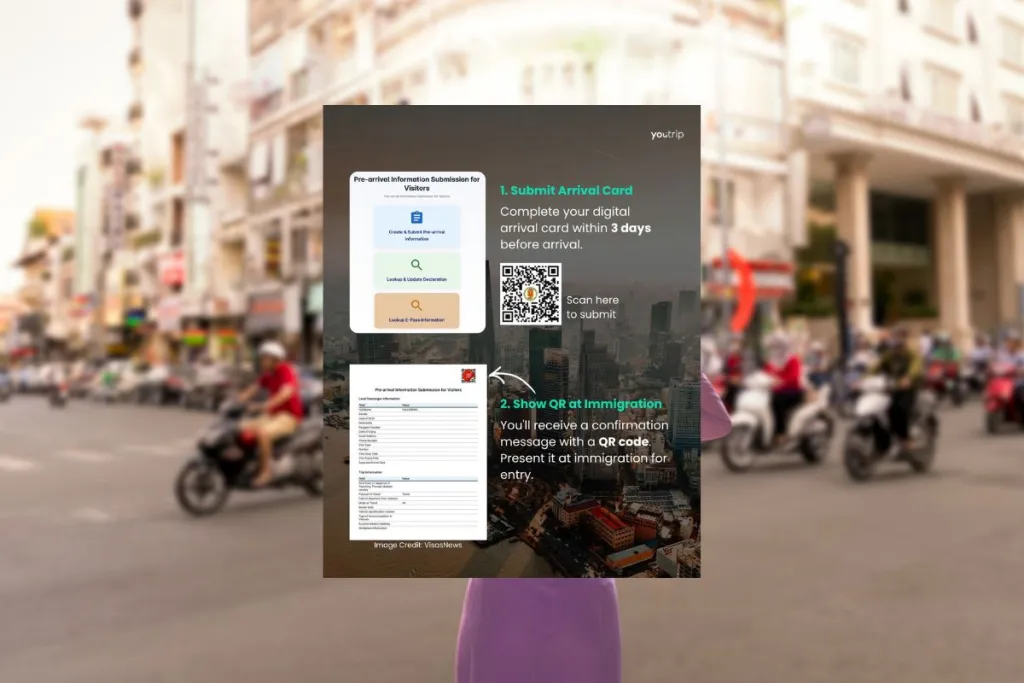
If you’re planning a trip to Vietnam anytime soon, there’s a new step you’ll want to sort out before even boarding your flight. Vietnam has officially replaced the traditional paper arrival form with a fully digital arrival card system, making the process much more streamlined, but also something you need to prepare in advance. Instead of filling out forms mid-flight or upon landing, travellers are now required to submit their personal and travel details online before arrival. Once completed, you’ll receive a QR code that will be scanned at immigration. It’s essentially Vietnam’s version of the e-arrival systems already used in places like Thailand and Singapore, designed to make entry faster and more efficient.
Also read: 10 Spots to Find the Most Authentic Halal Pho in Ho Chi Minh City, Vietnam
When did this start?
Image credit: Weerasaksaeku | Canva Pro
The digital arrival card system officially came into effect on 15 April 2026, starting with a pilot rollout. Because it’s still relatively new, many travellers may not even be aware that this requirement exists yet. That’s exactly why it’s important to get ahead of it now, especially if Vietnam is already on your travel list for this year. As with most new travel regulations, it’s expected to become standard practice very quickly.
Who needs to fill it in?
In most cases, this requirement applies to almost all foreign travellers entering Vietnam. Whether you’re visiting visa-free, travelling with an e-visa, applying for a visa on arrival, or even an overseas Vietnamese holding a foreign passport, you’ll likely need to complete this digital arrival card. In simple terms, if you’re not entering Vietnam with a Vietnamese passport, this is something you should assume applies to you.
Where is it required?
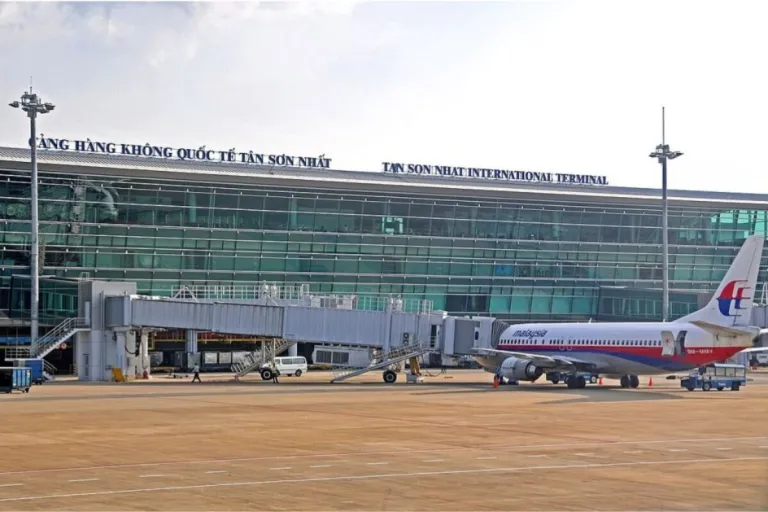
Image credit: Vietnam Aviation Plus | Official Website
At the moment, the system is being implemented at Tan Son Nhat International Airport in Ho Chi Minh City, which is the country’s busiest international gateway. Other major entry points like Noi Bai International Airport and Da Nang International Airport have not yet officially adopted the system, but expansion across Vietnam is highly expected. So if you’re flying into Ho Chi Minh City, this is already a must-do, while travellers heading elsewhere should keep an eye out for updates.
How to fill it in (Step-by-step)
The process is quite straightforward:
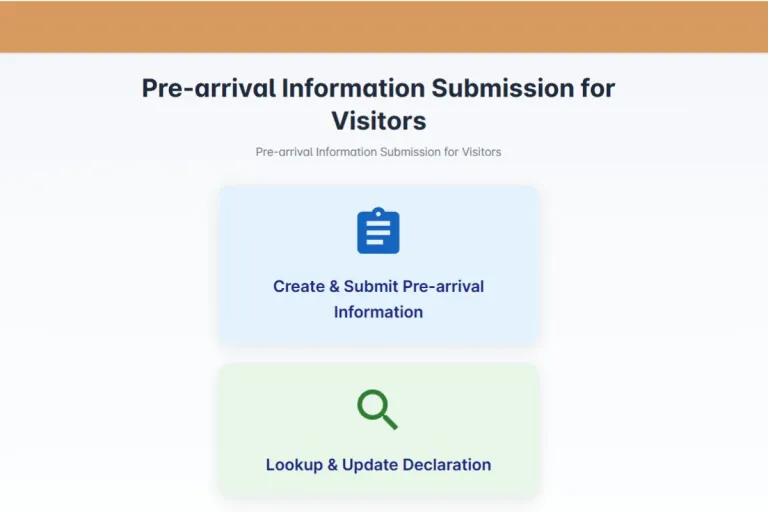
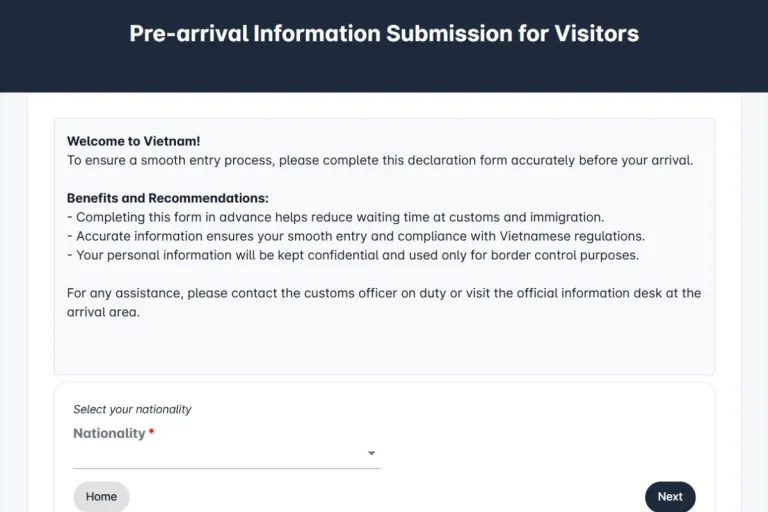
Image credit:
Visit the official Vietnam immigration portal
Fill in your:
Passport details
Flight information
Accommodation address
Purpose of visit
Submit the form 24–72 hours before your flight
Receive your QR code
Save it on your phone (or screenshot it)
At immigration, just scan and go, no paperwork needed.
Is it free?
Yes, the digital arrival card is completely free of charge. This is an important point to remember, especially since third-party websites may try to charge a service fee to complete the process on your behalf. To avoid unnecessary costs or potential scams, it’s always best to use the official immigration website directly.
Important: This is NOT a visa
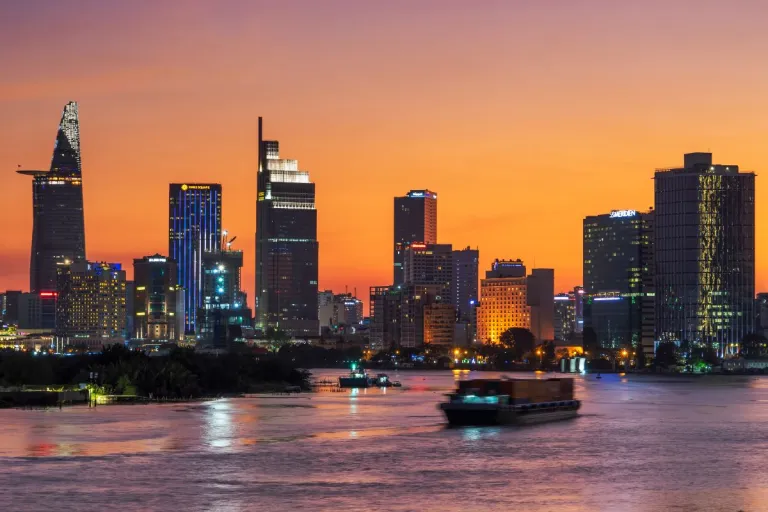 Image credit: Kokkai Ng | Canva Pro
One of the biggest misconceptions travellers have is confusing the digital arrival card with a visa. It’s important to understand that this system does not replace any visa requirements. If your nationality requires a visa to enter Vietnam, you will still need to apply for one separately, whether that’s an e-visa or visa on arrival. The digital arrival card is simply an additional step designed to support the immigration process, not replace it.
What happens if you don’t fill it in?
While you may still be able to complete the form upon arrival, it’s definitely not recommended. Travellers who arrive without completing the digital arrival card can expect longer waiting times, potential delays at immigration, and a much more stressful arrival experience overall. After a long flight, the last thing you want is to be stuck in extended queues trying to sort out paperwork that could have been done in advance.
Why Vietnam introduce this system
Image credit: Nhi Huynh; laughingmango | Canva Pro
Anyone who has travelled through Tan Son Nhat International Airport knows that immigration queues can get quite intense, especially during peak travel periods. The introduction of the digital arrival card is part of Vietnam’s broader effort to modernise its border control system, reduce congestion, and significantly cut down waiting times, which can sometimes stretch up to one or two hours. By digitising the process, the country is taking a major step towards a smoother and more efficient travel experience.
Muslim Traveller Tips: Arriving Smoothly in Ho Chi Minh City
Image credit: Jeffrey S.S; hadynyah | Canva Pro
For Muslim travellers, arriving prepared goes beyond just immigration; it’s also about knowing where to go next. Once you’ve cleared the airport, you can easily head into the city centre, where you’ll find several mosques, including Saigon Central Mosque, which is conveniently located in District 1, and Jamiul Muslimin Mosque, one of the oldest mosques in the city. Both are accessible within a short drive, making it easy to plan your prayers after landing.
When it comes to food, Ho Chi Minh City is one of the more Muslim-friendly destinations in Vietnam, especially around District 1, where halal eateries are more concentrated. You’ll find a mix of Vietnamese halal options, as well as Indian and Malaysian restaurants. That said, halal food isn’t available everywhere, so it’s best to plan your meals in advance and stick close to mosque areas where Muslim-friendly options are easier to find. A helpful tip is to always save offline maps, keep your QR code ready, and screenshot your hotel details before landing, just in case airport WiFi is unreliable.
Southeast Asia is going digital

Image credit: Suna Adak | Canva Pro
Vietnam’s move towards a digital arrival system reflects a wider trend happening across Southeast Asia. Countries like Thailand, Singapore, and Indonesia have already introduced similar systems, all aimed at improving efficiency and reducing manual processes at immigration checkpoints. For frequent travellers, this means digital pre-arrival forms are quickly becoming the new normal, and something you’ll want to get used to for future trips.
Also read: Eat Well in Da Nang, 10 Halal and Muslim-Friendly Spots You Need to Try
Final thoughts
At first glance, Vietnam’s digital arrival card might seem like a small change, but it plays a big role in shaping your arrival experience. Completing it ahead of time can save you from unnecessary delays and help you start your trip on the right note. For Muslim travellers, a little extra planning, from locating nearby mosques to identifying halal food spots, goes a long way in making the journey smoother and more enjoyable. With the right preparation, Vietnam remains an exciting and increasingly accessible destination that’s well worth exploring.
Published at
About Author
Aimi Zulkiflee
Aimi is the ultimate daydreamer with a flair for adventure and an avid novel reader with a soft spot for all things fairytale. She is known for her friendly demeanor, albeit with a bit of a short temper. Forever striving to live her cutesy yet demure life.
Subscribe our Newsletter
Get our weekly tips and travel news!
Recommended Articles
Halal Travel in China: Exploring Xi’an and Xinjiang Halal Food in Ho Chi Minh City: 15 Places to Visit When You’re Hungry After getting acquainted with this bustling city, savour some pho-nomenal halal Vietnamese food!
Top 7 Halal Restaurants in Hanoi for Muslim Travellers Need to find Halal food while travelling in Hanoi? Dive into this list to get the recommended restaurants for Muslim travellers.
10 Muslim-Friendly Islands in Indonesia Many travellers have either been to Bali and Lombok, or are planning a trip there – they are the most popular tourist destinations for Muslim and non-Muslim alike. . While these islands are tourist-friendly and especially Muslim-friendly, there are many other islands in Indonesia that are just as beautiful and have lots to offer. Check […]
Visit Muslim-Friendly Jeju-do: Where to Eat, Explore and Stay! Muslim-friendly Jeju is a popular travel destination for not just tourists, but many locals too. It’s the perfect island escape from bustling cities like Seoul and Busan. Whether you want to swim along the beaches or trek the mountainous trails, Jeju offers a little something for every Muslim traveller. It might seem daunting to plan […]
Latest Articles
Experience Autumn Beauty: Visit These 10 Stunning Spots in Kyoto Experience Kyoto at its most gorgeous.
12 Free Attractions in Osaka, Japan to Make Your Trip More Budget-Friendly Save money on your Japan vacation!
10 Great Places to Shop for Souvenirs in Hong Kong: From Budget-Friendly Markets to Unique Keepsakes Bring home the best of Hong Kong!
8-Day Tokyo and Osaka Itinerary: From the Bustling Capital to Japan’s Kitchen Make your dream Japan trip come true!
Say Goodbye to Dotonbori’s Iconic Glico Running Man Sign: A Brand-New Look Is Coming Soon This is your final chance to capture the iconic neon sign!