

What else can you do in the Maldives aside from soaking in the ambience of your overwater villa?
Japan Travel Etiquette: 10 Unwritten Rules Every Muslim Traveler Should Know
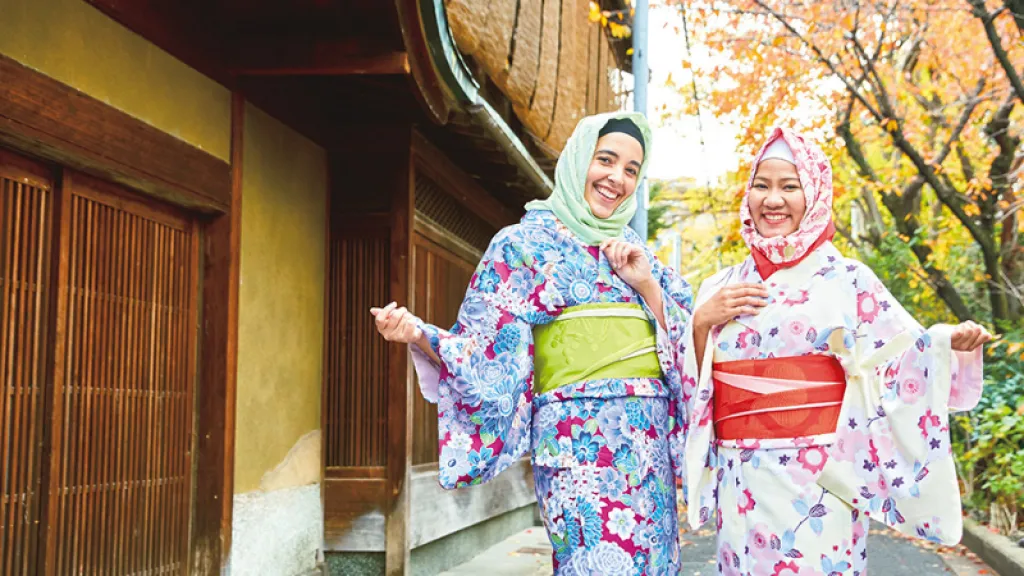
Have you ever holidayed in Japan? If you have, you probably noticed how deeply locals respect existing guidelines, both written laws and implicit social norms. For foreign visitors, however, these unwritten rules in Japan can easily be overlooked. Unfortunately, being unaware of these cultural nuances can sometimes leave tourists with an unintended negative reputation.
Also read: 6 Things You Can’t Bring Into Japan For Muslim Travellers
Generally speaking, these unwritten rules in Japan aren't always spelled out in standard guidebooks. Even so, locals naturally expect them to be understood and respected. Of course, making a minor faux pas is almost inevitable—sometimes it happens when you're trying to be overly polite! But with bad tourist behavior becoming a hot topic across the country, knowing these subtle social codes will help you become a much more thoughtful and welcome guest.
1. Handing Money Directly into Someone's Hands
 In Japan, the word for money is o-kane rather than just kane. That polite prefix, o-, reflects a deep cultural respect for money—not just in how it is earned and spent, but in how it is physically handled.
That respect extends straight into everyday transactions. In almost every restaurant, convenience store, and shop, you’ll notice a small tray sitting on the counter designated for cash exchanges. Handing bills directly into a cashier's hands can come across as overly forward or even impolite, especially in more formal establishments.
2. Public Displays of Affection (PDA)
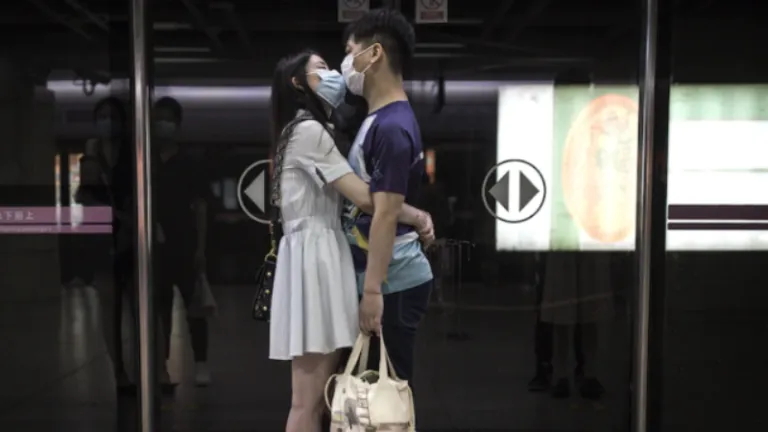 Holding hands is totally fine, but anything beyond that—hugging, kissing, or leaning heavily on your partner—can quickly draw uncomfortable glances in Japan. It isn’t necessarily offensive, but it creates an awkward atmosphere, particularly in family areas, on public transport, or around older generations.
Japanese culture places a high value on emotional restraint in public spaces. Even long-term couples tend to keep their affection private, sharing an unspoken belief that intimacy belongs at home, not out in the open. While social norms are subtly shifting among younger generations in major cities, visible PDA is still rare—usually only spotted late at night from very intoxicated couples. If you are traveling with your spouse, keep things low-key in public to blend in effortlessly.
3. Bathing Etiquette in Onsens & Sentos
 Japan's bathing culture is a cherished ritual centered around relaxation and mindfulness. When visiting a hot spring (onsen) or public bath (sento), a few essential unwritten rules apply:
Thoroughly shower and rinse your body before entering the bath.
The bathwater is strictly for soaking, never for scrubbing.
Never let your towel touch the bathwater.
Use a small modesty towel to cover yourself while walking to the tub.
Rest the folded towel on your head while soaking.
Save your large bath towel for drying off after exiting the bath area.
As long as your freshly cleaned body is the only thing entering the communal water, you’ll do just fine!
4. Tipping Is Not Part of the Culture
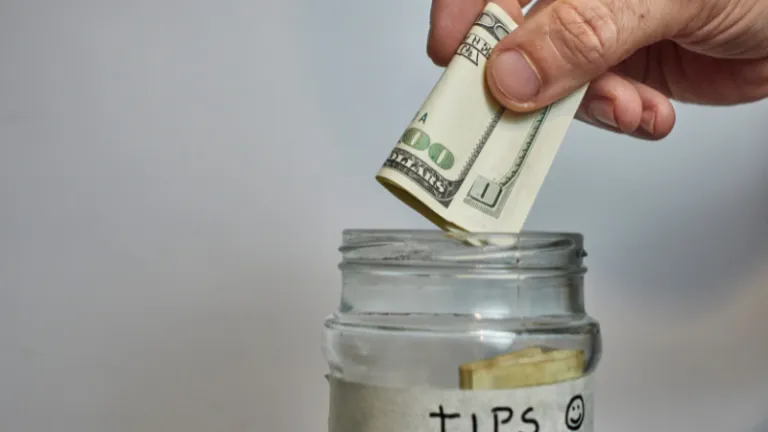 At almost every restaurant and hotel in Japan, a service fee is already built into the price, meaning tipping is completely unnecessary. In fact, offering extra cash can make staff feel confused or awkward, especially in traditional or upscale settings.
Even as tourism surges and hospitality wages remain static, a few younger staff at casual tourist spots might quietly accept tips, or you might spot a tip jar at a Westernized coffee shop. However, you should never force a tip. In fact, many expats living in Japan love that eating out involves zero guesswork, math, or pressure. Showing your gratitude the Japanese way is simple: offer a genuine "Arigatou gozaimasu" and return as a happy customer.
5. Escalator Etiquette and Queue Cutting
 In Japan, orderly structure is everything. In Tokyo, people stand on the left side of the escalator and leave the right side clear for those walking up. In Osaka, it's the exact opposite! Similarly, pedestrian traffic on sidewalks generally flows smoothly, mirroring the direction of car traffic.
While these habits can occasionally get chaotic during rush hour, the best strategy is simply to follow the crowd around you. Never cut in line on an escalator, and refrain from rushing onto a train before waiting passengers have finished stepping off—especially if there is an orderly queue already formed on the platform.
6. Passing Food Directly Chopstick-to-Chopstick
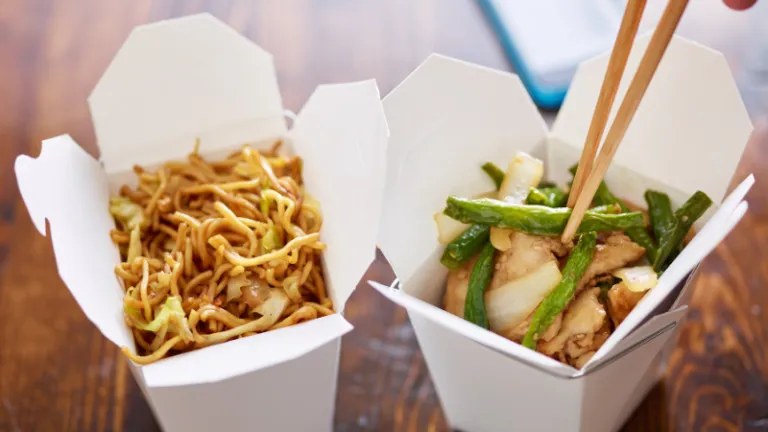 You might already know that sticking your chopsticks vertically into a bowl of rice is considered taboo in Japan, as it mimics funeral rites where rice is left as an offering for the deceased. But did you know that passing food directly from one set of chopsticks to another is also tied to death?
This gesture closely resembles the cremation ceremony where family members transfer remaining bone fragments between chopsticks. Because of this connection, doing so at the dinner table creates a very uncomfortable mood. If you want to share a delicious dish, use the clean back ends of your chopsticks to place food on your friend's side plate, or simply pass the serving dish over.
7. Wearing Strong Perfume or Cologne
 While a bold designer fragrance might draw compliments in other countries, it is more likely to cause discomfort in Japan—especially inside tight public spaces like crowded train cars or elevators. Japanese culture deeply appreciates "scentless cleanliness." Personal hygiene is expected, but strong odors (whether good or bad) are viewed as meiwaku (a nuisance to others).
You'll rarely hear anyone call you out directly, but you might notice people quietly stepping away from you in enclosed spaces. The ideal cultural standard is to remain clean, quiet, and modest. Think of it this way: if a stranger can smell your fragrance before you even enter the room, it's a bit too much!
8. Blowing Your Nose in Public
 In many Western countries, blowing your nose into a tissue is considered good hygiene and polite behavior. However, doing so loudly in public spaces in Japan—especially in quiet environments like trains, offices, classrooms, or elevators—is seen as unrefined.
The loud noise is considered disruptive, and many associate public nose-blowing with a lack of self-control or spreading illness. Instead, most locals quietly sniffle until they can excuse themselves. This is why you'll hear frequent sniffling during winter or pollen allergy season (kafunshō). When you need to clear your nose, step into a restroom or a private area, or wear a face mask to handle it discreetly.
9. Using the Wrong Honorifics—or None at All
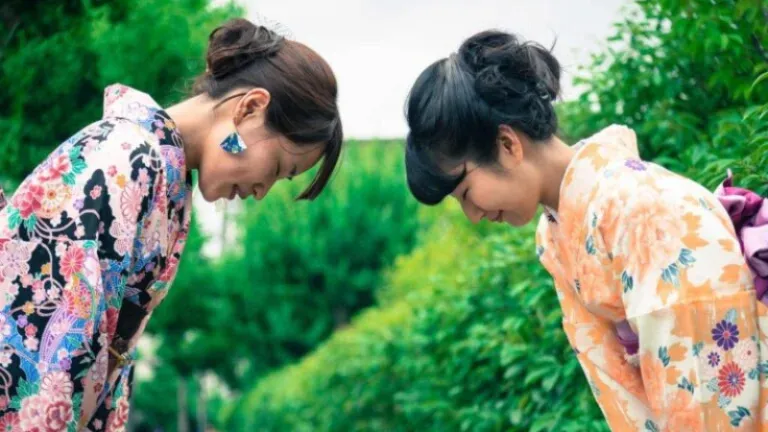 In Japanese conversation, names are almost always paired with honorific suffixes like -san, -sensei, or -sama. Dropping them entirely when addressing someone is known as yobisute—a major social misstep unless you are close personal friends.
On the flip side, being overly formal can also feel unnatural. Using stiff, formal language with children or in super casual settings can make interactions feel awkward. When in doubt, attaching -san to a person's last name is your safest bet. If you ever slip up, a quick, polite "Shitsurei shimasu" (excuse me) goes a long way.
10. Giving or Receiving Items with Just One Hand
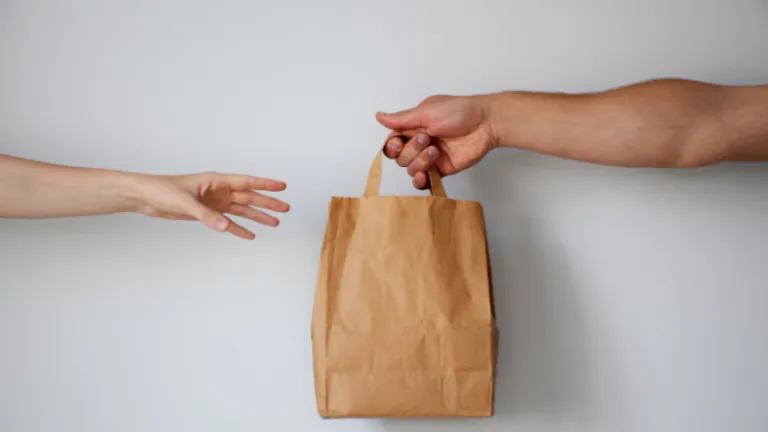 Show your respect and gratitude by handing over or receiving items with both hands. Whether you are passing a credit card, exchanging business cards (meishi), or accepting a gift, using both hands demonstrates care, sincerity, and attentiveness.
A one-handed exchange can feel careless or dismissive, particularly in formal situations. Even at a neighborhood convenience store, you'll notice staff carefully placing your change into the tray using both hands. It's not just a casual habit—it's a core piece of cultural etiquette.
Also read : Japan Temperatures Reach 40°C: How to Stay Safe and Enjoy Your Summer Getaway
Just like the language itself, Japanese culture relies heavily on what remains unspoken. Navigating these unwritten rules in Japan can sometimes feel like a dance where you don't know the exact steps, but the good news is that locals are remarkably forgiving when tourists make honest mistakes. The best approach is simply to stay humble, observe your surroundings, and remain open to learning along the way.
Have you ever accidentally broken one of these unwritten rules while exploring Japan? Save this guide, share your funny travel stories with us on social media, and start planning your next smooth journey to Japan today!
Published at
About Author
Subscribe our Newsletter
Get our weekly tips and travel news!
Recommended Articles
Beyond Luxurious Getaways: Here Are More Things to Experience in the Maldives The Essential Muslim-Friendly Guide to Things to Do in Sydney and Beyond Let’s explore beautiful Sydney together!
12 Things to Do in Australia Before 2022 Ends Write them down for your next Aussie trip!
Muslim-Friendly Experiences in Australia: Things to Do For All Travellers Discover Australia YOUR way!
4D3N Hong Kong & Macao: Things to See, Do & Eat for Muslim Travellers Explore Macao to your heart’s content!
Latest Articles
10 Halal Ramen in Osaka Every Muslim Travellers Have to Try At Least Once Don't miss out on Japan’s iconic comfort food!
Experience Autumn Beauty: Visit These 10 Stunning Spots in Kyoto Experience Kyoto at its most gorgeous.
12 Free Attractions in Osaka, Japan to Make Your Trip More Budget-Friendly Save money on your Japan vacation!
10 Great Places to Shop for Souvenirs in Hong Kong: From Budget-Friendly Markets to Unique Keepsakes Bring home the best of Hong Kong!
8-Day Tokyo and Osaka Itinerary: From the Bustling Capital to Japan’s Kitchen Make your dream Japan trip come true!