

Looking for cheap, good and Halal food in Orchard Road? You can get a full meal under $10 at these awesome local eateries!
Discover Shibamata, Tokyo: A Muslim-Friendly Guide to Japan’s Hidden Retro Gem
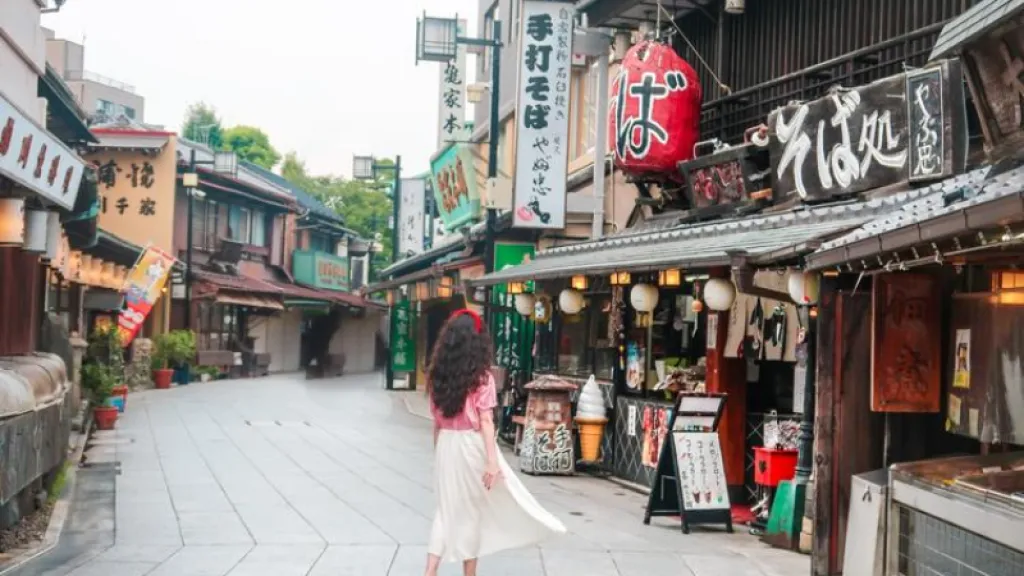
When you think of Tokyo, what usually comes to mind? Perhaps the neon-lit streets of Shibuya, the busy crossings, towering skyscrapers or endless shopping streets. But beyond the city's modern skyline, there is a quieter neighbourhood where time seems to move a little more slowly. Welcome to Shibamata, a charming old-town district in Katsushika, Tokyo, where traditional shops, historic temples, retro cafes and peaceful riverside views create a completely different side of the Japanese capital.
Also read: 8 Day Trips From Tokyo for Muslim Travellers to Elevate Your Japan Itinerary
For Muslim travellers looking to explore beyond Tokyo's usual tourist spots, Shibamata makes a lovely day-trip destination. You can stroll along a traditional shopping street, admire intricate temple carvings, discover the history of classic Japanese cinema and enjoy a relaxing walk by the Edo River. The neighbourhood is compact enough to explore at a leisurely pace, making it ideal for a one-day itinerary. With a little preparation for prayer times and food choices, you can also enjoy Shibamata comfortably as a Muslim traveller. Here is how to spend a perfect day in this nostalgic corner of Tokyo.
1. Start Your Day at Shibamata Station
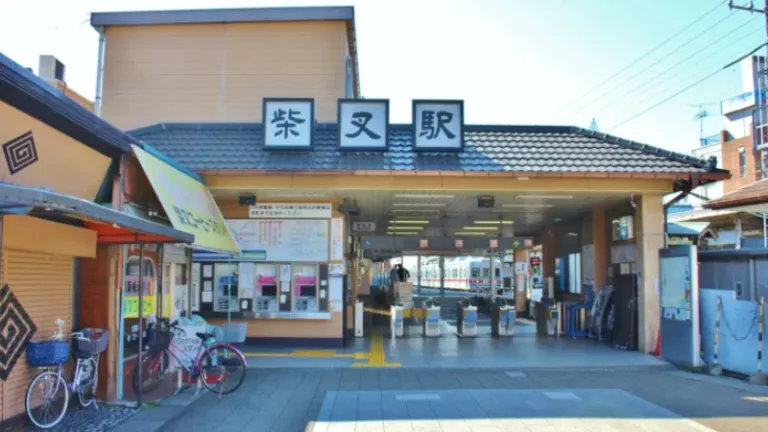 Your Shibamata adventure begins at Shibamata Station, a small railway station with a charming old-fashioned atmosphere. Located around 50 minutes by train from Tokyo Station, it offers a refreshing change from the busy transport hubs you may encounter elsewhere in the city.
As soon as you step outside, look for the statue of Tora-san, the beloved character from the long-running Japanese film series Otoko wa Tsurai yo. The character is closely associated with Shibamata, and the statue has become one of the neighbourhood's most recognisable landmarks.
Take a moment to snap a photo before exploring the surrounding streets. You may also notice a statue of Sakura, Tora-san's younger sister, nearby. Together, these familiar characters introduce visitors to the local history and the nostalgic atmosphere that makes Shibamata special.
Muslim traveller tip: Before leaving the station, check your prayer times for the day and save the locations of nearby mosques or prayer facilities on your phone. Shibamata is best explored on foot, so knowing where you can take a prayer break will help you plan your sightseeing without rushing. It is also useful to carry a compact prayer mat and a lightweight prayer garment.
2. Stroll Along Taishakuten-Sando
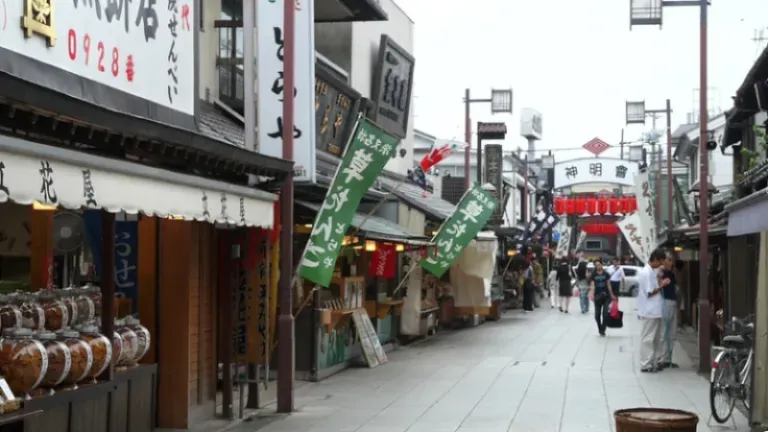 From the station, follow the charming streets towards Taishakuten-Sando, a traditional shopping street leading to Shibamata Taishakuten Temple. This is where Shibamata's old-town character really comes to life.
The street is lined with family-run shops, traditional restaurants and nostalgic storefronts. Some have been serving local visitors for generations, while others sell Japanese sweets, souvenirs and handmade crafts. Take your time browsing the shops and enjoying the atmosphere rather than rushing straight to the temple.
One of the best things about Taishakuten-Sando is its traditional snacks. You will come across local favourites such as kusa dango, grilled rice crackers and other Japanese sweets. They are tempting little treats to enjoy while exploring, although Muslim travellers should remember to check the ingredients before buying.
Try Shibamata's Famous Kusa Dango at Toraya
One shop worth looking out for is Toraya, known for its kusa dango, a traditional Japanese sweet made with rice flour and mugwort. The dumplings are often served with sweet red bean paste, creating a lovely combination of chewy texture and earthy flavour.
On Saturdays, Sundays and public holidays, the shop also serves grilled kusa dango. These are freshly cooked and seasoned with flavours such as soy sauce and nori, making them a savoury alternative to the sweeter version.
Muslim traveller tip: How to check Japanese snacks before buying
Not every traditional Japanese snack is automatically halal. When buying kusa dango or other sweets, ask the shop staff about the ingredients and preparation method.
You can use these simple Japanese phrases:
豚肉は入っていますか? (Butaniku wa haitte imasu ka?) – Does this contain pork?
アルコールは入っていますか? (Arukōru wa haitte imasu ka?) – Does this contain alcohol?
原材料を確認できますか? (Genzairyō o kakunin dekimasu ka?) – May I check the ingredients?
Some Japanese sweets may contain ingredients such as gelatin, alcohol-based flavourings or other additives. If the shop cannot confirm the ingredients, it is better to choose something you are comfortable with rather than assume it is halal.
3. Visit Shibamata Taishakuten Temple
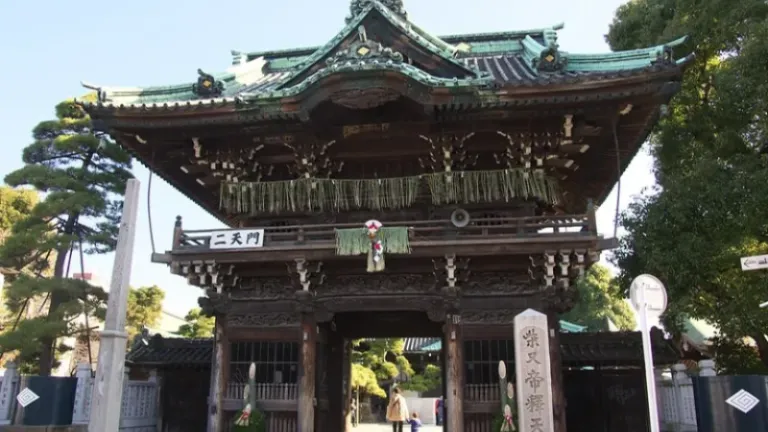 Continue walking to the end of Taishakuten-Sando, and you will arrive at Shibamata Taishakuten Temple, one of the neighbourhood's most important landmarks. Founded in 1629, the temple has been part of Shibamata's history for centuries.
The first thing you will notice is its traditional wooden architecture, including the impressive temple gate and beautifully maintained grounds. The atmosphere feels peaceful, especially compared with the lively shopping street you have just walked through.
One of the temple's main highlights is the Sculpture Gallery, where visitors can admire detailed wooden carvings inspired by stories from the Lotus Sutra. The craftsmanship is remarkable, with intricate scenes carved into the wooden walls. Even if you are not familiar with Buddhist art, it is worth taking a closer look at the skill and detail behind these works.
If you have extra time, consider exploring the temple's paid inner area, which includes the Sculpture Gallery and Suikeien Garden. The garden offers a quieter setting where you can appreciate traditional Japanese landscaping and enjoy a slower moment away from the shopping street.
Muslim traveller tip: Shibamata Taishakuten is a Buddhist temple, so remember to be respectful when exploring its grounds. Follow visitor signs, avoid entering restricted areas and keep your voice low. As this is a religious site, it is also a good opportunity to plan a prayer break around your itinerary. The source information does not confirm a dedicated Muslim prayer room at the temple, so do not assume that one is available. Check nearby prayer facilities before your visit and make sure you have enough time to reach one.
4. Take a Quiet Break at Yamamoto-Tei
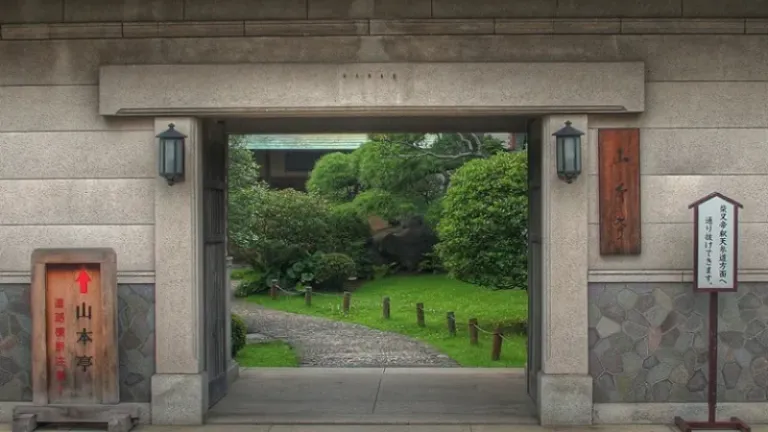 After exploring the temple, take a short walk to Yamamoto-Tei, a former private residence that offers a peaceful escape from the busier parts of Shibamata.
This beautiful property is known for its combination of traditional Japanese architecture and Western-style design. Inside, you will find elegant tatami rooms, shoin-style spaces, glass windows and decorative details that reflect the design trends of the early Showa period.
The garden is another highlight. With its carefully arranged greenery and calming atmosphere, it is a lovely place to sit down and appreciate a quieter side of Japanese life.
Admission is ¥100, making it an affordable stop during your Shibamata day trip. The residence is open from 9am to 5pm, and visitors can also enjoy refreshments at its cafe.
The menu includes matcha, coffee, ramune, zenzai and seasonal treats. You can enjoy your drink while looking out over the garden, making this a lovely place to rest your feet before continuing your exploration.
Muslim traveller tip: If you want to order something at the cafe, ask about the ingredients before choosing. Matcha and plain tea may be simpler options, but it is still worth checking whether any added flavourings, syrups or toppings contain alcohol or other ingredients you avoid. For zenzai and other sweets, ask whether the ingredients include gelatin or cooking alcohol. The available information does not confirm halal certification or a dedicated halal menu at Yamamoto-Tei, so treat it as a place where you should check individual items rather than assume the menu is halal.
5. Discover Japanese Film History at the Tora-san Museum
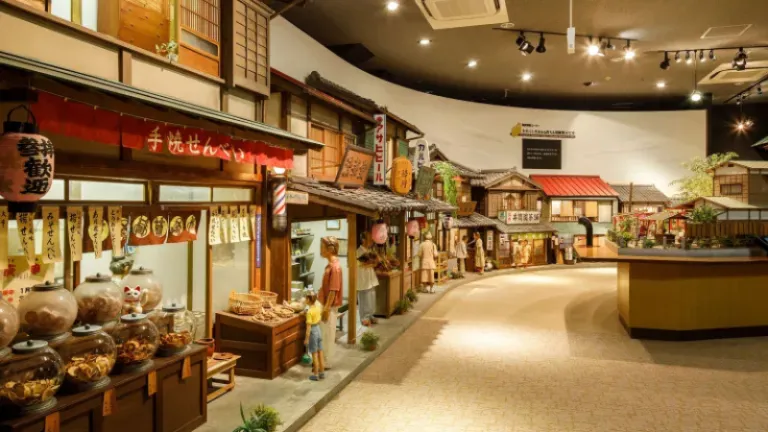 Just a short walk from Yamamoto-Tei is the Katsushika Shibamata Tora-san Museum, a fun stop for anyone curious about Japanese cinema and the neighbourhood's cultural identity.
The museum celebrates Otoko wa Tsurai yo, one of Japan's best-loved film series, which follows the adventures of Tora-san. Inside, you will find recreated film sets, costumes, dioramas, props and video displays that bring the character's world to life.
Even if you have never watched the films, the museum is an interesting way to understand why Tora-san is such an important part of Shibamata's identity.
One of the highlights is the recreated set of Kurumaya, the traditional dango shop featured throughout the film series. The detailed shopfront and everyday objects make the space feel as though the characters could walk in at any moment.
You can also explore displays featuring scenes from Tora-san's travels around Japan. Following its 2025 renewal, the museum introduced more interactive exhibits, including touch panels, quizzes and displays of nostalgic Showa-era telephones.
Admission is ¥500 for adults, and the ticket also includes entry to the Yoji Yamada Museum, dedicated to the director behind the film series. The museum is open from 9am to 5pm, with the last entry 30 minutes before closing.
Muslim traveller tip: The museum is a good indoor stop if you need a break from the weather. Before entering, check your prayer schedule and identify a suitable prayer facility for later in the day. There is no confirmed prayer room information in the source details for the museum, so avoid assuming that you can pray inside. You can also use the museum visit as a convenient time to check your next train or nearby mosque location.
6. Step Back in Time at Cafe Sepia
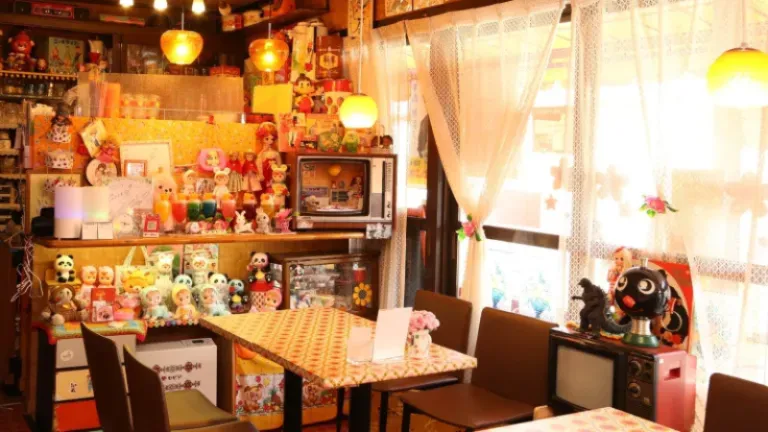 After a day of exploring temples, gardens and film history, it is time for a little cafe break. Head to Showa Retro Cafe Sepia, a charming kissaten within walking distance of Shibamata Station.
Stepping inside feels like entering a different era. The cafe is filled with colourful old toys, nostalgic decorations and Showa-era details that make it feel more like a time capsule than a regular coffee shop.
Its menu features classic drinks and desserts, but one of the highlights is the handmade firm pudding. Made with simple ingredients such as milk, sugar and eggs, it is served with a bittersweet caramel topping. The old-fashioned texture and nostalgic presentation make it a lovely treat for anyone who enjoys traditional Japanese-style desserts.
The cafe is usually open from 12pm to 5pm on Mondays, Tuesdays, Wednesdays, Fridays, Saturdays and Sundays. Last orders are at 4.30pm, while food orders close at 4pm. Opening days and hours may change, so check the cafe's official Instagram before visiting. Private room reservations are also available by phone.
Can Muslim Travellers Eat at Cafe Sepia?
Cafe Sepia is a retro cafe rather than a confirmed halal restaurant, so Muslim travellers should check the ingredients of individual menu items before ordering.
If you would like to try the pudding, ask whether it contains any alcohol-based flavouring or other ingredients you avoid. You can also ask about the drinks and whether any syrups, toppings or flavourings have been added.
Here are a few useful phrases:
このプリンにアルコールは入っていますか? (Kono purin ni arukōru wa haitte imasu ka?) – Does this pudding contain alcohol?
ゼラチンは入っていますか? (Zerachin wa haitte imasu ka?) – Does this contain gelatin?
原材料を見せてもらえますか? (Genzairyō o misete moraemasu ka?) – Could you show me the ingredients?
A simple drink such as plain tea or coffee may be an easier choice, but always check the ingredients and preparation method if you have specific dietary requirements.
If the staff cannot confirm whether a dish meets your needs, you can politely choose another option. It is better to be careful than to assume that a dessert is halal simply because it does not contain meat.
7. End Your Day by the Edo River and Yagiri-no-Watashi
 To end your Shibamata day trip, head towards the Edo River. After spending the day exploring traditional streets, temples and retro attractions, the riverside offers a completely different atmosphere.
The area is home to Yagiri-no-Watashi, a traditional ferry crossing connecting Shibamata with Matsudo in Chiba Prefecture. Taking the boat is a lovely way to experience a slower side of Tokyo, with open river views and a peaceful atmosphere that feels far removed from the busy city centre.
Even if you do not plan to take the ferry, the riverside is worth visiting. You can enjoy a quiet walk, admire the surrounding scenery and take a few final photographs before heading back to the station.
The ferry generally operates from around 10am to 4pm, although its schedule can change depending on the season and weather conditions. A one-way ride costs ¥300 for adults and ¥100 for children.
If you are interested in taking the ferry, check the latest operating information before visiting, as services may be suspended due to weather or river conditions.
Muslim traveller tip: The riverside is a lovely place to relax, but remember that it may not have convenient indoor facilities for prayer. If it is approaching prayer time, check the nearest mosque or prayer room before settling in for a long walk. You can use a mosque-finding app or Google Maps to search for nearby facilities, but always confirm opening hours and whether visitors are welcome. If you cannot find a suitable facility, plan your route around a confirmed prayer space rather than assuming that public parks or riverside areas have dedicated prayer facilities.
Muslim Traveller's Guide to Shibamata: Prayer and Halal Food Tips
Shibamata is a wonderful neighbourhood for sightseeing, but Muslim travellers may need a little extra preparation when it comes to finding prayer spaces and suitable food.
Unlike major tourist districts such as Shinjuku, Shibuya and Asakusa, the source information for Shibamata does not identify dedicated prayer rooms or confirmed halal-certified restaurants within the neighbourhood. This does not mean you cannot enjoy a day here. It simply helps to plan ahead.
1. How to Find a Prayer Room Near Shibamata
Before leaving your hotel, check the daily prayer times and identify a mosque or prayer facility that fits your route.
You can use:
Google Maps: Search for terms such as "mosque near Shibamata", "prayer room Tokyo" or "Musalla Tokyo".
Muslim-friendly travel apps: Apps such as Halal Navi can help you discover Muslim-friendly facilities and food options in Japan.
Mosque websites and social media: Check the latest visitor information, opening hours and access policies before making a detour.
It is important to confirm that a facility is open to visitors, as not every prayer space is accessible to the public at all times.
For a day trip, consider visiting a mosque before travelling to Shibamata or after returning to a more central area of Tokyo. This can make your itinerary easier to manage.
2. Bring Your Own Prayer Essentials
Shibamata's main attractions are spread across a walkable neighbourhood, so you may spend several hours outdoors.
A small prayer kit can make your journey more convenient. Consider packing:
A compact travel prayer mat.
A lightweight telekung or prayer garment.
A small scarf or extra hijab.
A compass or prayer-direction app.
A small bag to keep everything together.
Having your own essentials is particularly helpful when you are travelling between attractions and cannot easily return to your hotel.
3. How to Find Halal Food in Shibamata
Shibamata is famous for its traditional Japanese snacks and local sweets, but not every shop offers halal-certified food.
When visiting Taishakuten-Sando, Yamamoto-Tei or Cafe Sepia, remember to check the ingredients before ordering.
Pay particular attention to:
Mirin and cooking sake: These are used in some Japanese dishes and sauces.
Gelatin: It may appear in desserts and sweets.
Meat ingredients: Check whether chicken, beef or other meat comes from a halal source.
Broths and seasonings: Some Japanese dishes contain pork-based broth, alcohol or other ingredients that may not meet your dietary requirements.
If you cannot confirm the ingredients, consider choosing a simpler option or saving your main meal for a restaurant with clearly stated halal certification.
4. Save Your Route and Prayer Stops Before Travelling
A little preparation can make a big difference to your day.
Before leaving your hotel, save the locations of Shibamata Station, the attractions you want to visit, nearby mosques and any halal restaurants you have confirmed. Check the walking distances and prayer times so you can plan suitable breaks.
You can also keep a screenshot of important addresses in Japanese. This is useful when asking station staff or local residents for directions.
Also read: 18 Mosques and Prayer Spaces in Tokyo, Japan for a Comfortable Worship Experience
Final Thoughts: Why Shibamata Is Worth Visiting
Shibamata may not have the neon lights or modern attractions that Tokyo is famous for, but that is exactly what makes it special. From the nostalgic atmosphere of Taishakuten-Sando and the beautiful wooden carvings at Shibamata Taishakuten Temple to the peaceful garden at Yamamoto-Tei and the riverside views along the Edo River, this neighbourhood offers a refreshing change of pace.
For Muslim travellers, Shibamata is also a lovely destination to explore with a little preparation. Check food ingredients before ordering, plan your prayer stops in advance and bring your own prayer essentials for the day. With these simple steps, you can enjoy the neighbourhood's traditional charm while travelling in a way that feels comfortable for you.
So, if you are looking for a different side of Tokyo beyond the usual tourist hotspots, add Shibamata to your itinerary. Sometimes, the most memorable travel experiences are found in the quietest corners of a city.
Published at
About Author
Subscribe our Newsletter
Get our weekly tips and travel news!
Recommended Articles
10 Cheap Halal Food and Restaurants in Orchard Road Useful Tips for Travelling During Ramadan Do you or anyone you know face difficulties whilst travelling during Ramadan? We’ve got you covered!
10 Halal Restaurants in Bangkok to Satisfy Your Thai Cravings From Korean-style BBQ and Punjabi curries to award-winning shrimp Pad Thai, take your pick from these amazing Halal restaurants in Bangkok.
Al Meroz: A Muslim-Friendly Hotel in Bangkok, Thailand Great news for Muslim travellers: Thailand’s first halal hotel is now open to the public!
17 Muslim-Friendly Travel Destinations to Visit in 2017 Check out these 17 Muslim-friendly travel destinations for your next holiday. Finding halal food will not be a problem anymore!
Latest Articles
Japan for All Seasons: What to Wear as a Muslim Traveller What to wear in Japan throughout the four seasons, with modest outfit ideas and practical packing tips for Muslim travellers.
Complete Guide to the Dress Code in Saudi Arabia for Tourists Discover Saudi Arabia’s dress code for tourists, including clothing rules for men and women, abayas, beachwear, mosque etiquette and packing tips
A Muslim-Friendly Guide to Resorts World Sentosa: Halal Food, Prayer Rooms and Family Fun Here's everything Muslim travellers need to know before visiting!
14 Mosques and Prayer Rooms in Osaka, Japan Every Muslim Traveller Should Know Discover 14 mosques and prayer rooms in Osaka, Japan, including locations in Namba, Umeda and popular shopping centres for Muslim travellers.
8 Halal Food Spots in Dotonbori, Osaka, Every Muslim Traveller Should Try Looking for halal food in Dotonbori, Osaka? Discover 8 halal and Muslim-friendly restaurants, from ramen and okonomiyaki to Wagyu.