

From visiting mosques inspired by Middle Eastern architecture to exploring vibrant spice markets, there’s plenty of Muslim-friendly activities to do in Xi’an and Xinjiang!
Complete Guide to the Dress Code in Saudi Arabia for Tourists
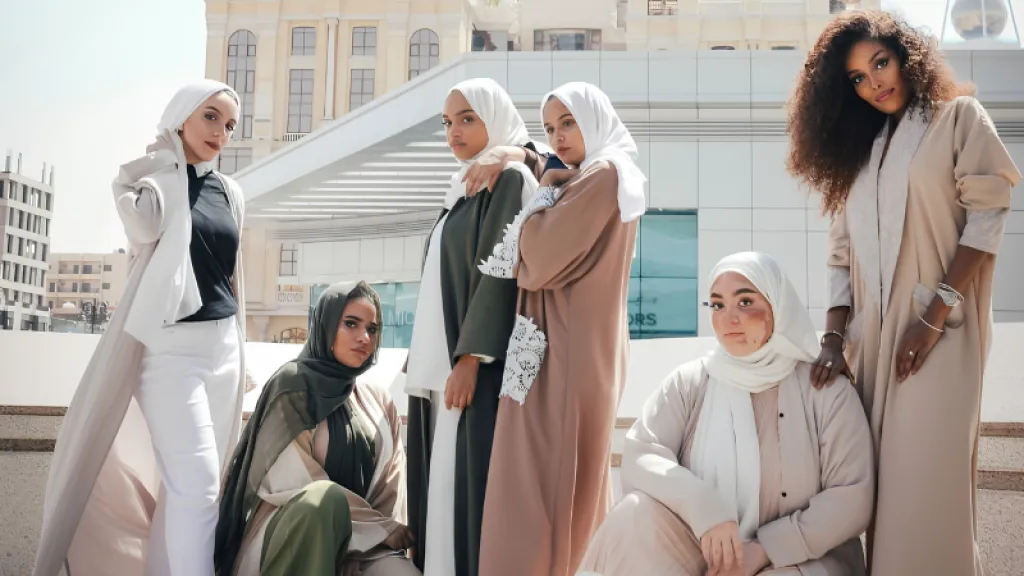
Planning a trip to Saudi Arabia? From exploring the lively streets of Riyadh and Jeddah to discovering the ancient wonders of AlUla, the country offers plenty of unforgettable experiences. However, before packing your suitcase, it is worth understanding the local dress code. Saudi Arabia has its own cultural expectations when it comes to clothing, and knowing what to wear can help you feel more comfortable while travelling around the country.
Also read: Saudi Arabia’s Dream of The Desert Luxury Train: Route, Features & Launch Date (2026)
The good news is that dressing appropriately in Saudi Arabia is not as complicated as you might think. Tourists do not have to wear traditional Saudi clothing, and foreign women are not required to wear an abaya or cover their hair in everyday public spaces. However, modest clothing is expected, and certain places, such as mosques and public beaches, have more specific requirements. Whether you are visiting for sightseeing, shopping, a beach holiday or a religious trip, here is a complete guide to the Saudi Arabia dress code for tourists, including what men and women should wear, mosque etiquette, beachwear rules and practical packing tips.
Understanding Saudi Arabia's Dress Code for Tourists
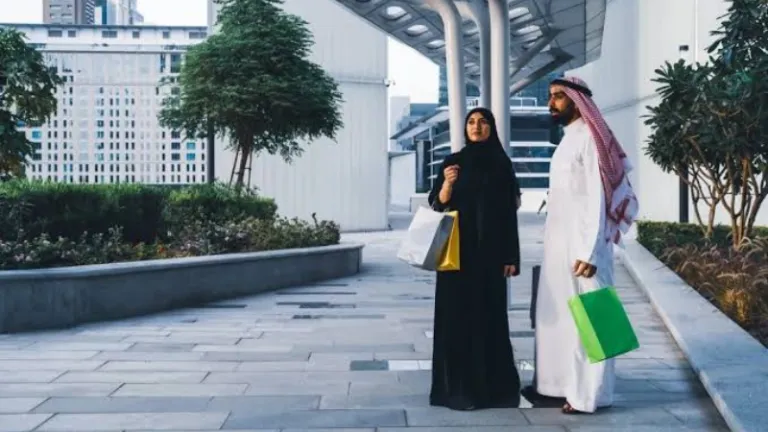 Saudi Arabia's public dress expectations are covered by the Public Decorum Regulations, commonly associated with the country's Public Decency Law. The Council of Ministers approved the regulations in April 2019, while the implementing rules came into effect in September 2019, the same month Saudi Arabia introduced its tourist e-visa programme.
These regulations set out standards of behaviour and appearance in public spaces. They also marked a shift away from the previous informal enforcement system associated with the religious police, known as the mutawa, towards a codified set of rules enforced by regular police officers.
For international visitors, the main principle is simple: dress modestly and respect local customs.
According to the UK Foreign Office's travel advice, both men and women should wear loose-fitting clothing that covers their elbows and extends below their knees. Visitors should also avoid tight-fitting outfits and clothing with offensive, political or inappropriate images and slogans.
As a general guide, your clothes should be:
Loose-fitting and opaque, rather than tight or see-through.
Long enough to cover your shoulders, elbows and knees.
Free from offensive words, racist imagery, pornography-related content or messages promoting drug use.
Suitable for public settings, rather than sleepwear, underwear or excessively revealing outfits.
The important thing to remember is that modest dressing applies to both men and women. However, the specific expectations can vary depending on where you are going and what you plan to do.
Dress Code for Women in Saudi Arabia
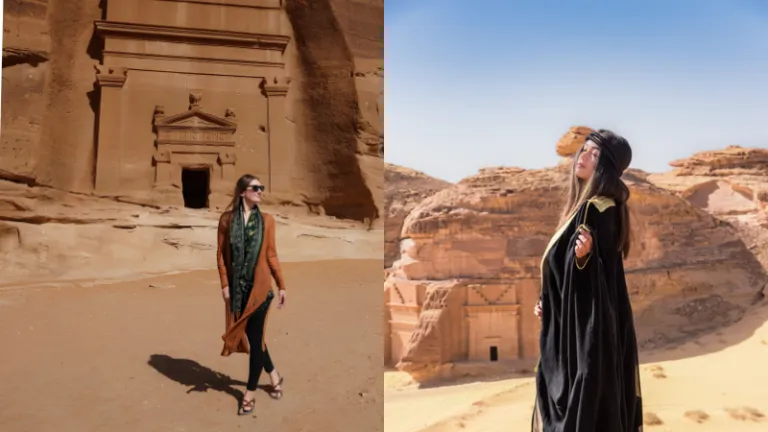 For female tourists, the basic rule is to wear loose-fitting, opaque clothing that covers the shoulders, elbows and knees. You do not need to dress in traditional Saudi clothing, but choosing modest outfits will help you feel more comfortable in public places.
Western-style clothing is generally acceptable in major cities such as Riyadh, Jeddah and Dammam, as long as it follows the modesty guidelines.
You will see Saudi women wearing different styles, from traditional black abayas to colourful designer outfits, jeans and sportswear. Female tourists can also wear everyday clothing such as:
Maxi dresses and midi skirts that fall below the knees.
Loose trousers or wide-leg linen trousers paired with a long blouse or tunic.
Long-sleeved shirts and tops with modest necklines.
Three-quarter-sleeved tops that cover the elbows.
Light cardigans or wraps to wear over short-sleeved tops.
It is best to avoid low-cut tops, sheer fabrics, tight-fitting outfits, short skirts and clothing with provocative images or slogans. If you prefer wearing sleeveless tops, bring a light cardigan or jacket to cover your shoulders and arms when visiting public spaces.
Do Women Need to Wear an Abaya?
No. Foreign women are not generally required to wear an abaya in everyday public spaces in Saudi Arabia.
You can wear Western-style outfits as long as they meet the country's modesty expectations. However, packing a lightweight abaya is still a good idea, especially if you plan to visit traditional markets, conservative areas or religious sites.
There are two practical reasons to bring one:
It makes getting dressed easier. You can simply wear an open-front abaya over your outfit whenever you need an extra layer of coverage.
It can be a thoughtful cultural gesture. Wearing an abaya in more traditional settings may help you feel more comfortable and show consideration for local customs.
You do not necessarily need to buy one before your trip. Abayas are widely available in Saudi Arabia, from affordable everyday designs in traditional souqs to more elaborate designer pieces in shopping malls in Riyadh and other major cities.
Do Women Need to Cover Their Hair?
No. Female tourists are not required to wear a hijab or cover their hair in everyday public spaces, according to the UK Foreign Office's travel advice.
In cities such as Jeddah and Riyadh, you may see women wearing both hijabs and uncovered hairstyles in shopping malls, restaurants and entertainment venues.
However, carrying a lightweight scarf in your bag is still useful. You may need it when:
Visiting mosques and designated religious areas.
Exploring traditional souqs in more conservative neighbourhoods.
Visiting rural areas or smaller towns.
Attending religious or cultural events where more conservative clothing is expected.
A lightweight scarf takes up very little space in your luggage and can be useful throughout your trip.
Dress Code for Men in Saudi Arabia
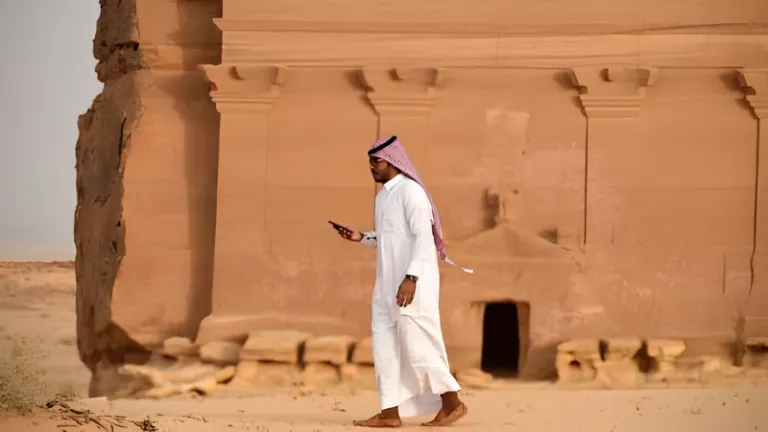 The dress code in Saudi Arabia is not just something women need to think about. Male tourists are also expected to dress modestly in public spaces.
While men may have fewer clothing restrictions in everyday situations, wearing appropriate outfits will help you avoid unwanted attention and feel more comfortable when visiting different parts of the country.
For men, the safest choice is to wear shirts and long trousers in public. Loose-fitting clothing is generally more comfortable, especially during the warmer months.
Here are some practical clothing tips:
Wear a shirt in public. Going shirtless is not appropriate in public spaces outside designated hotel pool and beach areas.
Avoid sleeveless tops. Tank tops and sleeveless vests are best kept for private hotel facilities or suitable fitness areas.
Choose long trousers. Knee-length shorts may be tolerated in some casual settings, but trousers that cover the legs are the safer choice.
Avoid tight-fitting outfits. Very tight gym wear, skinny jeans and muscle shirts may attract unwanted attention in public.
Dress appropriately for restaurants. Some upscale dining venues may have stricter requirements, so long trousers and a collared shirt are a good option.
When in doubt, choose a simple combination of a breathable shirt and loose trousers. It is comfortable, practical and suitable for most sightseeing activities.
Understanding Traditional Saudi Clothing
You will often see Saudi men wearing the traditional white thobe, usually paired with a ghutra or shemagh.
These garments are not simply traditional outfits. They are also practical choices for the local climate. The loose design of a thobe allows air to circulate, while the light-coloured fabric reflects sunlight. The ghutra and shemagh also help protect the head and face from the sun and dust.
Tourists are not expected to wear traditional Saudi clothing. However, if a local host invites you to try on a thobe or shemagh, accepting the invitation can be a lovely way to experience the local culture.
Saudi Arabia Dress Code by Location
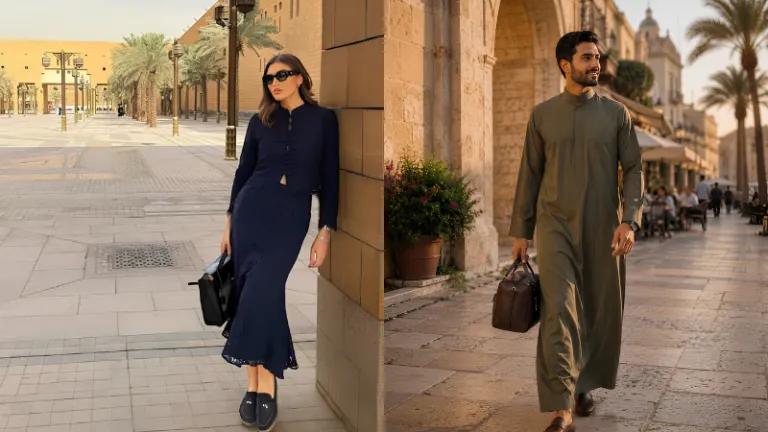 What you wear in Saudi Arabia may depend on where you are going. A shopping mall, traditional market, beach resort and mosque can all have different expectations.
Here is what to keep in mind before heading out.
1. Shopping Malls
Saudi Arabia is home to some impressive shopping centres, including Kingdom Centre and Riyadh Park Mall in Riyadh, as well as Red Sea Mall in Jeddah.
These modern, air-conditioned spaces generally welcome modest Western-style clothing. Women should make sure their shoulders and knees are covered, while men are better off wearing shirts and long trousers.
Some shopping centres may display dress guidelines at their entrances, so take a moment to check the signs when you arrive.
2. Traditional Souqs and Markets
Traditional markets offer a very different atmosphere from modern shopping malls. Places such as Souq Al-Zal in Riyadh, Souq Al-Alawi in Jeddah and Qaisariah Souq in Al-Ahsa are great for discovering local crafts, traditional products and everyday Saudi life.
These markets can be more conservative, so it is a good idea to dress a little more modestly.
Women may prefer wearing an abaya or a long, loose outfit and keeping a headscarf in their bag. Men should opt for long trousers and shirts.
As traditional markets are sometimes located near mosques, dressing appropriately will also make it easier if you decide to visit a religious site along the way.
3. Restaurants and Cafes
Most casual restaurants and chain cafes in major Saudi cities have fairly relaxed dress expectations, similar to those in shopping malls.
However, if you are planning to dine at an upscale restaurant in Riyadh or Jeddah, smart-casual clothing is a better choice. Men may be expected to wear collared shirts and long trousers, while women can opt for an elegant dress or a blouse with tailored trousers.
Shorts and overly casual outfits may not be suitable for fine-dining establishments, so it is worth checking the restaurant's dress code before making a reservation.
4. Hotels and Resorts
Hotels and resorts are generally more relaxed when it comes to clothing, especially around swimming pools and private beach areas.
You can usually wear standard resort clothing in designated pool and beach spaces. However, when walking through hotel lobbies, restaurants or shared facilities, remember to cover up with a shirt, kaftan, sarong or light wrap.
It is also worth checking your hotel's individual dress policy, as expectations can vary between properties.
5. Entertainment Events and Riyadh Season
Saudi Arabia's entertainment scene has grown rapidly in recent years, with concerts, festivals, sporting events and large-scale attractions attracting visitors from around the world.
Riyadh Season is one of the country's major entertainment events, with popular destinations such as Boulevard World and Boulevard City offering a lively atmosphere.
You may notice younger Saudis wearing more contemporary and fashion-forward outfits at these events. However, the general public dress expectations still apply. Choose clothing that covers your shoulders and knees, and avoid offensive or provocative slogans.
If you are attending a concert, sporting event or special attraction, check the organiser's latest guidelines before you go, as individual venues may have additional requirements.
6. AlUla and Desert Tourism
AlUla is one of Saudi Arabia's most fascinating destinations, famous for its dramatic desert landscapes and Hegra, a UNESCO World Heritage Site featuring ancient Nabataean tombs.
The atmosphere in AlUla is generally more relaxed than in some traditional settings, particularly at tourist attractions, luxury camps and seasonal events. However, modest clothing is still a good choice.
For daytime exploration, consider wearing:
Long-sleeved linen shirts.
Loose-fitting trousers.
Comfortable walking shoes or boots.
A lightweight scarf or hat for sun protection.
If you are attending an evening concert, seasonal festival or dining at a luxury desert camp, smart-casual clothing is usually a practical choice.
7. Workplaces and Business Meetings
If your trip to Saudi Arabia includes business meetings, dressing professionally is important.
For men, a suit or a smart combination of a dress shirt and trousers is a suitable option. Women can wear a tailored trouser suit, a below-the-knee dress with sleeves or a long skirt paired with a blazer.
In Saudi business culture, first impressions matter. Choosing conservative, polished clothing is a simple way to show professionalism and respect for your hosts.
Dress Code for Mecca, Medina and Mosques
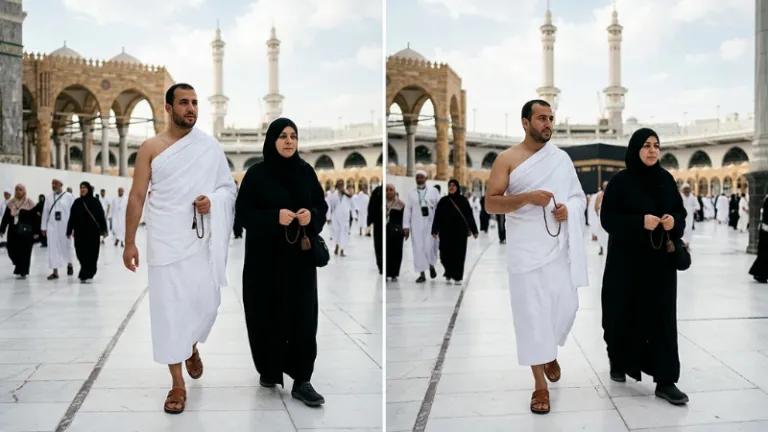 Religious sites are where tourists need to pay particular attention to local rules and etiquette. Clothing expectations are more specific in these areas, and there are also restrictions on who can enter certain holy sites.
Visiting Mecca: Important Entry Restrictions
Non-Muslims are not permitted to enter Mecca (Makkah). This is a legal restriction rather than simply a dress code requirement.
Road signs on routes leading towards the city direct non-Muslim visitors away from restricted areas. There are no general tourist exceptions to this rule.
If you are a non-Muslim visitor, make sure your travel route does not take you into areas restricted to non-Muslims.
Visiting Medina: What Tourists Should Know
Non-Muslims can visit the wider city of Medina (Madinah), including its markets, restaurants and other public areas.
However, access to the sacred areas around the Prophet's Mosque, Al-Masjid an-Nabawi, is restricted to Muslims. Non-Muslims are not permitted to enter the mosque itself or the designated restricted zone.
If you are visiting Medina, it is considerate to choose conservative clothing, particularly when exploring areas close to religious sites.
Women may wish to wear an abaya and carry a headscarf, while men should choose long trousers and a shirt. Always follow the signs and instructions provided by local authorities.
What to Wear When Visiting a Mosque in Saudi Arabia
Some mosques welcome non-Muslim visitors outside prayer times, although access policies vary. If you have the opportunity to visit one, make sure you follow the mosque's dress requirements and etiquette.
For women:
Cover your hair completely with a headscarf or hijab.
Wear an abaya or a loose, full-length outfit that covers your body from the wrists to the ankles.
Remove your shoes before entering the prayer area.
Hands and face may generally remain uncovered.
For men:
Wear long trousers rather than shorts.
Choose a shirt with sleeves and avoid sleeveless tops.
Remove your shoes before entering the prayer area.
A head covering is not generally required, although it may be welcomed in some settings.
Always follow the instructions of mosque staff, as individual mosques may have their own visitor policies.
Understanding Ihram for Hajj and Umrah
If you are a Muslim traveller visiting Saudi Arabia for Hajj or Umrah, you may encounter pilgrims wearing special white garments known as ihram.
Ihram is a sacred state entered by Muslim pilgrims before performing certain religious rituals. It comes with specific clothing requirements.
Men's ihram
Men wear two simple, white, unstitched pieces of cloth:
Izar: A lower garment wrapped around the waist, covering the body from the navel to the feet.
Rida: An upper garment draped over the body.
During certain parts of tawaf, men expose their right shoulder. While in ihram, men also follow specific restrictions regarding clothing, including not wearing ordinary stitched garments, underwear, socks or head coverings.
Footwear must follow the requirements of ihram.
Women's ihram
Women do not have to wear the same two-piece white garments as men. They can wear loose, modest clothing that covers the body, with their hands and face left uncovered according to the relevant ihram rules.
The clothing may be in different colours and can have seams or buttons, as long as it meets the requirements of ihram.
The simplicity of ihram clothing reflects the values of equality and unity in Islam, reminding pilgrims that everyone stands equally before God, regardless of wealth or social status.
Beach and Swimming Pool Dress Code in Saudi Arabia
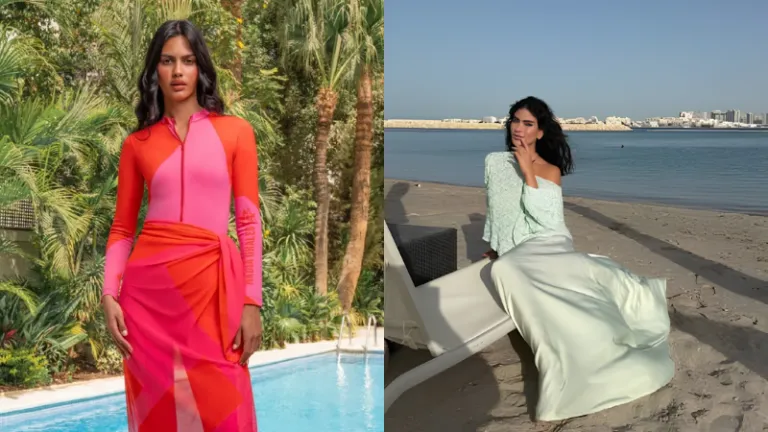 Planning a beach holiday in Saudi Arabia? The dress code can vary quite a bit depending on whether you are visiting a public beach or a private resort.
This is one area where it is especially important to check the rules before arriving, as different beach operators may have different requirements.
What to Wear at Public Beaches
At public beaches, modest swimwear is generally expected.
For women, suitable options may include:
One-piece swimsuits.
Rash guards with swim leggings.
Swimwear that covers the arms and legs.
Burkinis.
For men, knee-length or longer swimming shorts are a practical choice. Very short swim trunks and speedos may not be appropriate in public beach settings.
Some beaches may also have designated women-only areas with more privacy. These areas may have different swimwear expectations, so check the signs or ask the staff before changing.
What to Wear at Private Resorts and Hotel Pools
Private resorts and hotel swimming pools usually have more relaxed dress expectations than public beaches.
Standard swimwear, including bikinis, is generally accepted at designated private resort pools and beach clubs, including some Red Sea resort destinations.
However, remember to:
Cover up with a sarong, kaftan or shirt when leaving the pool or beach area.
Check your resort's specific swimwear policy before your visit.
Avoid topless or nude sunbathing, which is not permitted.
Check Beach Rules Before You Arrive
Beach rules can vary depending on the location and operator. Always look for signs explaining the dress code and follow the instructions provided by beach staff.
If you are unsure whether your swimwear is appropriate, it is better to ask before entering the beach area.
Gym and Fitness Dress Code in Saudi Arabia
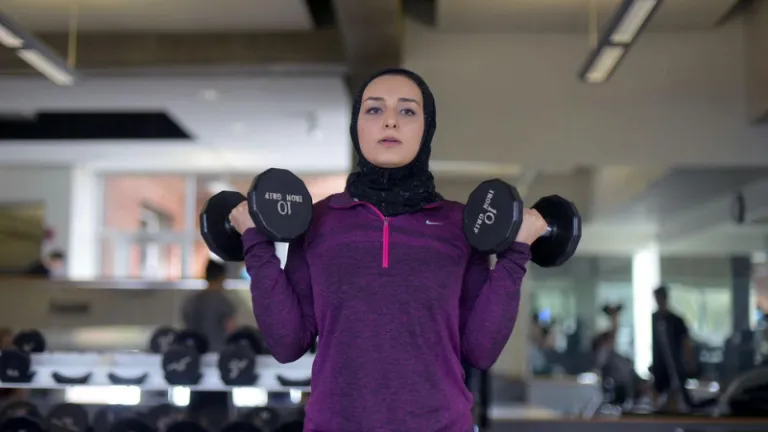 If you want to keep up with your workout routine while travelling, you will find gyms in major Saudi cities and many hotels.
Some gyms operate separately for men and women, so clothing expectations can depend on the type of facility.
Women's gyms
In an all-female gym, women can generally wear standard workout clothing, including shorts, tank tops and sports bras.
However, remember to dress modestly when arriving at or leaving the gym. Bring an abaya or a loose cover-up to wear when moving through public areas.
Men's gyms
Men can wear standard gym clothing, although very revealing or extremely tight outfits may attract unwanted attention in some public-facing gyms.
Hotel gyms tend to have more relaxed expectations, but it is still a good idea to check the facility's rules before your workout.
What to Wear in Saudi Arabia by Season
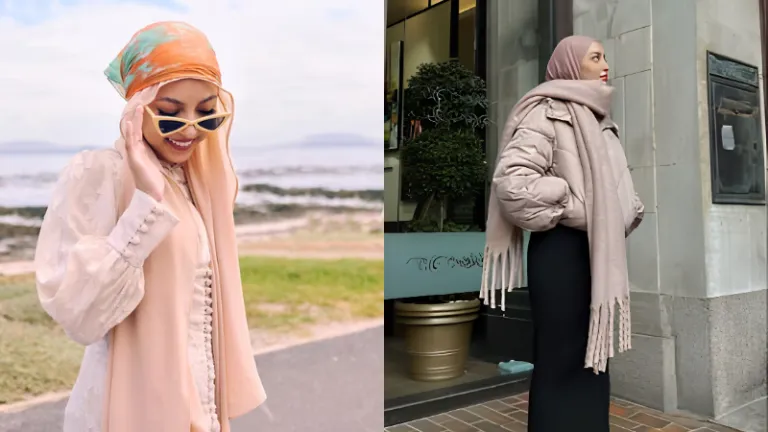 Saudi Arabia has a desert climate, with very hot summers and cooler winter evenings. Choosing the right clothing is not just about respecting local customs; it also makes a big difference to your comfort while travelling.
Summer: May to September
Summer in Saudi Arabia can be extremely hot, particularly in cities such as Riyadh. Average daytime temperatures can reach around 43°C between June and August, so dressing appropriately is essential.
Here are some tips to stay comfortable:
Choose breathable fabrics: Cotton and linen are great options because they allow better airflow. Avoid heavy synthetic fabrics that can trap heat.
Wear light colours: White and pastel shades reflect sunlight and can help you stay cooler.
Choose loose-fitting outfits: Loose clothing allows air to circulate around your body, making it more comfortable in hot weather.
Protect yourself from the sun: Bring a wide-brimmed hat or lightweight scarf, and apply SPF 50+ sunscreen when spending time outdoors.
Pack a light cardigan: Indoor spaces in Saudi Arabia can be heavily air-conditioned, so a light extra layer is useful.
Bring enough changes of clothes: The heat can make you sweat more than usual, so having extra outfits will help you feel fresh throughout the day.
Winter: November to February
Winter in Saudi Arabia is generally mild compared with many other countries, but evenings can get surprisingly cold, especially in Riyadh and the northern regions.
January night-time temperatures in Riyadh can fall to around 5–9°C, while northern areas such as Tabuk and Al-Jouf may experience even colder conditions.
For a winter trip, pack:
Lightweight layers that you can add or remove throughout the day.
A medium-weight jacket for cooler evenings.
Long-sleeved tops and comfortable trousers.
A warmer outfit if you plan to visit northern Saudi Arabia.
If you are visiting Jeddah or other areas along the western coast, expect warmer weather throughout the year.
Hajj and Umrah Seasons
Hajj follows the Islamic lunar calendar, which means its dates move earlier each year according to the Gregorian calendar. Temperatures during the pilgrimage can therefore vary significantly depending on the year.
If you are planning to perform Hajj, check the official dates and expected weather conditions well in advance.
For Umrah travellers visiting outside the Hajj season, the cooler months between December and February can offer more comfortable conditions for the physical activities involved in the pilgrimage. However, always check the forecast before travelling, as weather conditions can still vary.
What Happens If You Break the Dress Code in Saudi Arabia?
Saudi Arabia's Public Decorum Regulations set out standards for behaviour and appearance in public spaces. Violations may be recorded by the police and can result in fines.
The relevant authorities are responsible for handling reported violations and issuing penalties. Anyone who receives a fine has the right to appeal through the administrative court system.
If a member of staff or a police officer asks you to adjust your clothing, remain calm and comply politely. It is always better to avoid an unnecessary disagreement and show respect for local instructions.
Also remember that the rules are not limited to clothing. The UK Foreign Office warns that producing or distributing certain media without permission from the General Authority of Media Regulation may result in serious penalties, including large fines and imprisonment.
Be especially careful when taking photos or videos of other people. Always respect their privacy and ask for permission before recording or sharing identifiable images online.
For the latest information about specific violations and fines, check the current official regulations and travel advice before your trip. Penalty amounts and enforcement details should not be assumed to be the same for every situation.
Final Tips for Dressing Comfortably in Saudi Arabia
Understanding the Saudi Arabia dress code for tourists does not mean you have to completely change your wardrobe. In most everyday situations, modest Western-style clothing is perfectly suitable, as long as it covers the shoulders, elbows and knees and is not too tight or revealing.
The most important thing is to dress according to your destination. A loose linen outfit may be perfect for exploring Riyadh during the day, while a smart-casual look works better for an upscale restaurant. If you are visiting a mosque, prepare a more conservative outfit and a headscarf. For a beach holiday, check whether you are visiting a public beach or a private resort before choosing your swimwear.
With a little preparation, you can explore Saudi Arabia's cities, historical attractions, desert landscapes and beautiful resorts while feeling comfortable and respecting local customs. Pack versatile clothing, check the latest local guidelines and enjoy discovering everything this fascinating destination has to offer.
Published at
About Author
Subscribe our Newsletter
Get our weekly tips and travel news!
Recommended Articles
Halal Travel in China: Exploring Xi’an and Xinjiang 10 Muslim-Friendly Islands in Indonesia Many travellers have either been to Bali and Lombok, or are planning a trip there – they are the most popular tourist destinations for Muslim and non-Muslim alike. . While these islands are tourist-friendly and especially Muslim-friendly, there are many other islands in Indonesia that are just as beautiful and have lots to offer. Check […]
12 Travel Hacks for Muslim Travellers travel hacks Today’s dose of truth: Travelling is indeed a rewarding experience — but it’s never nearly as glamorous or as Instragrammable as we put it to be. Not 100% of the time, at least. In fact, exploring the globe presents Muslim travellers with their own set of worries! Muslim travellers face different kinds of […]
What Type of Muslim Traveller Are You? The Muslim traveller approaches the same destination in different ways. For some types, it can be the destination of self-discovery, while for others it’s merely a vacation. Ever wondered what type of traveller you are? We’ve listed down of some of the different types of Muslim travellers. Are you any one of them; a combination […]
Beyond Luxurious Getaways: Here Are More Things to Experience in the Maldives What else can you do in the Maldives aside from soaking in the ambience of your overwater villa?
Latest Articles
A Muslim-Friendly Guide to Resorts World Sentosa: Halal Food, Prayer Rooms and Family Fun Here's everything Muslim travellers need to know before visiting!
14 Mosques and Prayer Rooms in Osaka, Japan Every Muslim Traveller Should Know Discover 14 mosques and prayer rooms in Osaka, Japan, including locations in Namba, Umeda and popular shopping centres for Muslim travellers.
8 Halal Food Spots in Dotonbori, Osaka, Every Muslim Traveller Should Try Looking for halal food in Dotonbori, Osaka? Discover 8 halal and Muslim-friendly restaurants, from ramen and okonomiyaki to Wagyu.
Mosques and Prayer Rooms in Hokkaido: A Muslim Traveller’s Guide to a Comfortable Winter Holiday find the nearest mosque or prayer room in Hokkaido during winter trip
8 Muslim-Friendly Hotels in Bangkok for a Comfortable Stay Finding a Muslim-friendly hotel in Bangkok is also relatively easy, From halal dining and prayer facilities to Qibla directions