
From visiting mosques inspired by Middle Eastern architecture to exploring vibrant spice markets, there’s plenty of Muslim-friendly activities to do in Xi’an and Xinjiang!
Japan for All Seasons: What to Wear as a Muslim Traveller
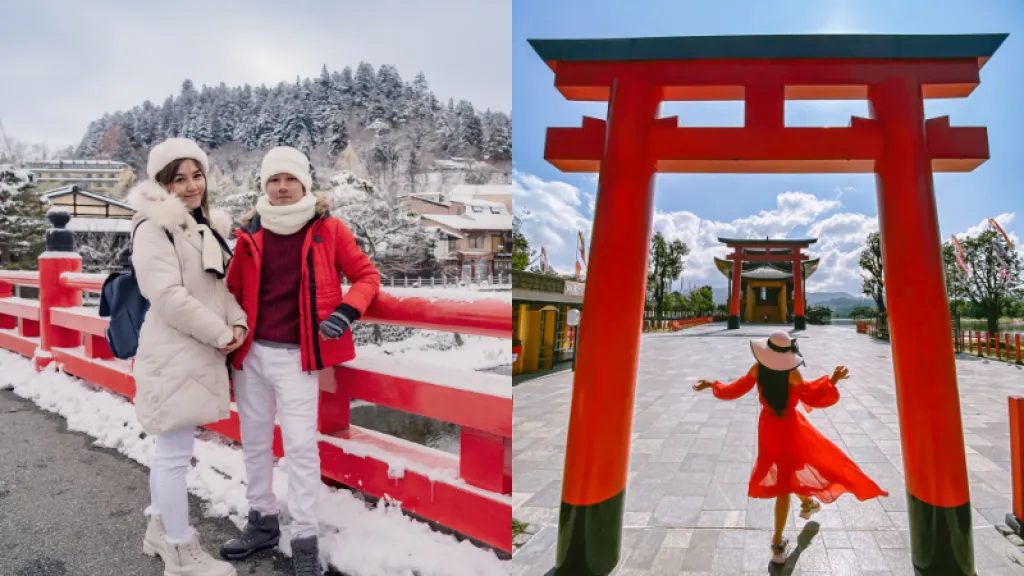
Japan is a destination that feels magical in every season. Imagine watching cherry blossoms bloom in spring, enjoying colourful summer festivals, walking through streets covered in autumn leaves, or experiencing a winter wonderland surrounded by snow. From the iconic Mount Fuji and the bustling Shibuya Crossing to peaceful temples, scenic countryside and traditional hot springs, there is always something new to discover in Japan. No wonder it remains a dream destination for travellers from around the world!
Also read: Japan Temperatures Reach 40°C: How to Stay Safe and Enjoy Your Summer Getaway
But before you start planning your itinerary and booking your flights, there is one thing worth preparing: your wardrobe. Japan experiences four distinct seasons, and each comes with different temperatures, weather conditions and activities. For Muslim travellers, choosing what to wear also means finding the right balance between comfort, modesty and practicality. Whether you wear a hijab or simply prefer modest outfits, this guide will help you decide what to pack for Japan in spring, summer, autumn and winter, so you can enjoy your holiday comfortably throughout the year.
Understanding Japan's Four Seasons Before You Pack
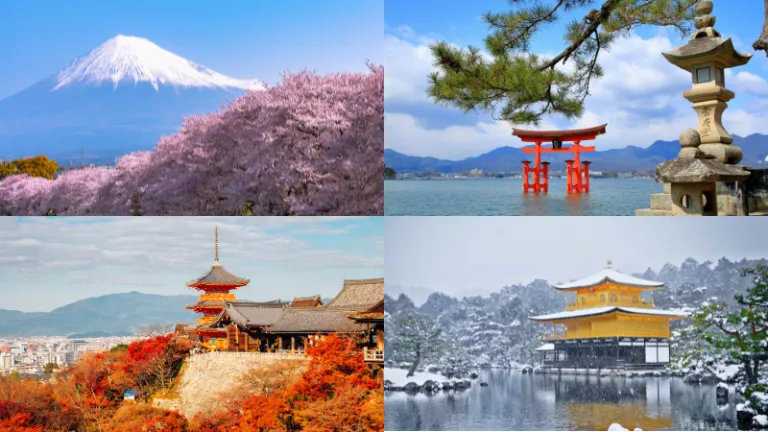
One of the best things about travelling around Japan is experiencing how different the country looks throughout the year. Spring brings delicate cherry blossoms, summer is filled with lively festivals, autumn turns the landscapes into shades of red and gold, while winter transforms destinations such as Hokkaido into beautiful snowy escapes.
Japan's four seasons are generally divided as follows:
Spring: March to May
Summer: June to August
Autumn: September to November
Winter: December to February
However, temperatures can vary depending on where you are travelling. Tokyo and Osaka, for example, experience different weather from Hokkaido in the north or Okinawa in the south.
For Muslim travellers, it is helpful to plan outfits based on both the weather and your travel activities. Choose breathable fabrics for warmer months, prepare layers for unpredictable temperatures, and bring comfortable modest clothing that allows you to move easily while sightseeing.
What to Wear in Japan During Spring (March to May)
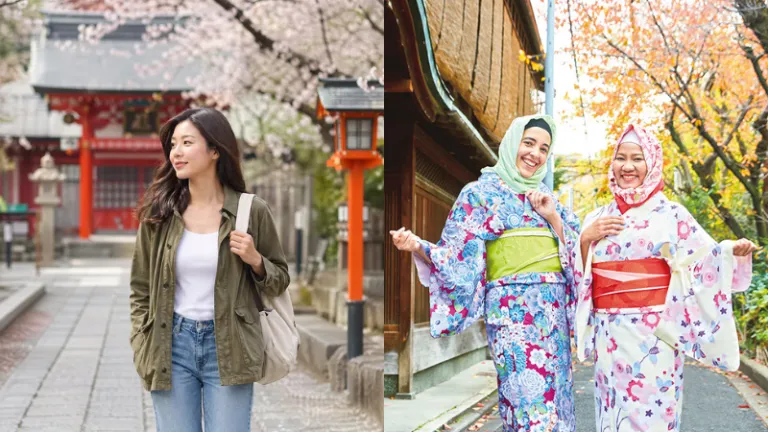 Spring is one of the most beautiful times to visit Japan. As the weather gradually becomes warmer, cherry blossoms, known as sakura, begin to bloom across the country. Parks, riversides and city streets turn into dreamy pink landscapes, making it a lovely season for sightseeing, photography and outdoor picnics.
Temperatures generally range from around 5°C to 23°C, depending on the month and location. March can still feel chilly, especially in the mornings and evenings, while April and May usually bring more comfortable temperatures and longer sunny days.
What Should Muslim Travellers Wear in Spring?
Spring is a great season for modest fashion because you can comfortably experiment with different layers without feeling too hot or too cold.
Here are some outfit ideas:
Long-sleeved tops: Lightweight shirts and blouses are great for everyday sightseeing.
Maxi dresses: Pair a long dress with a cardigan or lightweight coat for an effortless look.
Wide-leg trousers: Comfortable trousers are perfect for walking around cities and visiting attractions.
Lightweight cardigans: These are useful when the temperature drops, especially in the evening.
Trench coats or light jackets: A practical choice for cooler days in March and early April.
Lightweight hijabs: Cotton or breathable voile hijabs are comfortable for long days outdoors.
If you are visiting Japan in March, consider bringing a slightly warmer coat or jacket. For April and May, you can usually get by with lighter layers, although a cardigan is still useful.
Muslim traveller tip: If you are planning a full day of cherry blossom viewing, choose comfortable walking shoes and an outfit that is easy to move around in. Parks can involve plenty of walking, and you may spend hours sitting on picnic mats or exploring riverside paths. A lightweight prayer outfit or a compact prayer garment is also useful if you plan to pray while exploring.
And one more thing: do not forget to check the sakura forecast before your trip! Cherry blossom season varies across Japan, so the best time to see the flowers in Tokyo may be different from the timing in Hokkaido.
What to Wear in Japan During Summer (June to August)
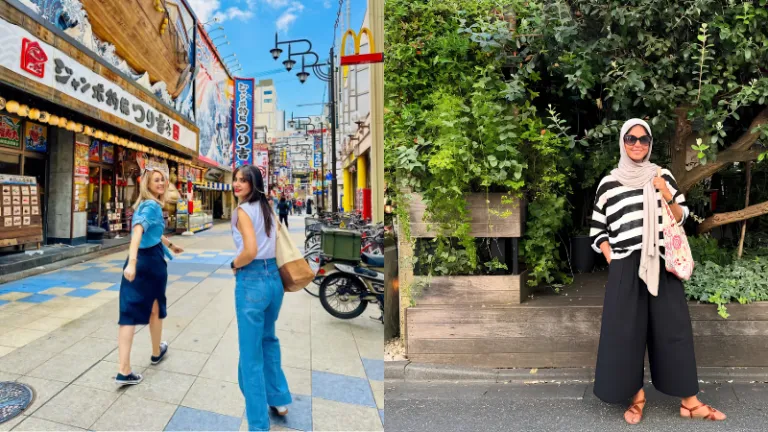 Summer in Japan is full of energy. From traditional matsuri festivals and colourful fireworks displays to seasonal treats such as somen noodles and kakigori shaved ice, there are plenty of reasons to enjoy the warmer months.
However, summer can also be challenging because of the heat and humidity. Temperatures generally range from around 20°C to 35°C, with July and August being particularly hot. Cities such as Tokyo and Osaka can feel very humid, while some inland areas may experience even higher temperatures.
Hokkaido, on the other hand, usually has a cooler and more pleasant summer, making it a popular destination for outdoor activities and flower viewing.
What Should Muslim Travellers Wear in Summer?
The key to dressing for a Japanese summer is choosing lightweight, breathable fabrics that keep you comfortable while still providing enough coverage.
Here are some practical clothing choices:
Loose cotton shirts: Lightweight long-sleeved shirts are a good option for modest coverage without feeling too heavy.
Linen tops: Linen allows air to circulate and is ideal for hot and humid weather.
Wide-leg trousers: Choose lightweight trousers instead of thick denim to stay comfortable.
Long, breathable dresses: Maxi dresses made from cotton or other lightweight fabrics are easy to style.
Lightweight hijabs: Choose breathable materials that feel comfortable in humid weather.
Comfortable sandals or walking shoes: Look for footwear that is easy to walk in and suitable for long sightseeing days.
You may also want to bring a cap, sunglasses and a compact umbrella. Japan's summer can be sunny, but sudden rain showers are also common.
How to Stay Comfortable in Japan's Summer Heat
Dressing modestly during summer does not mean you have to wear thick or heavy clothing. The trick is to choose the right materials and silhouettes.
Here are a few tips for Muslim travellers:
Choose breathable fabrics. Cotton, linen and lightweight blends are more comfortable than thick synthetic materials.
Avoid tight-fitting outfits. Loose clothing allows better airflow and feels more comfortable in humid weather.
Wear light-coloured clothing. White, beige and pastel shades can help reflect sunlight.
Choose lightweight hijabs. Avoid thick fabrics that may feel uncomfortable after spending hours outdoors.
Bring an extra top or hijab. You may appreciate having a fresh change after a long day of sightseeing.
Stay hydrated. Carry a water bottle, especially when exploring outdoor attractions.
If you plan to visit shrines or temples, it is best to wear modest clothing that covers your shoulders and knees. While there is no single dress code that applies to every site, choosing a respectful outfit is always a thoughtful approach.
Muslim traveller tip: Summer is also a popular season for hiking and mountain adventures. If you are planning to explore Mount Fuji or other high-altitude destinations, remember that temperatures can be much cooler at higher elevations. Bring a windbreaker, warm layers and suitable footwear, even if the weather is hot in the city.
What to Wear in Japan During Autumn (September to November)
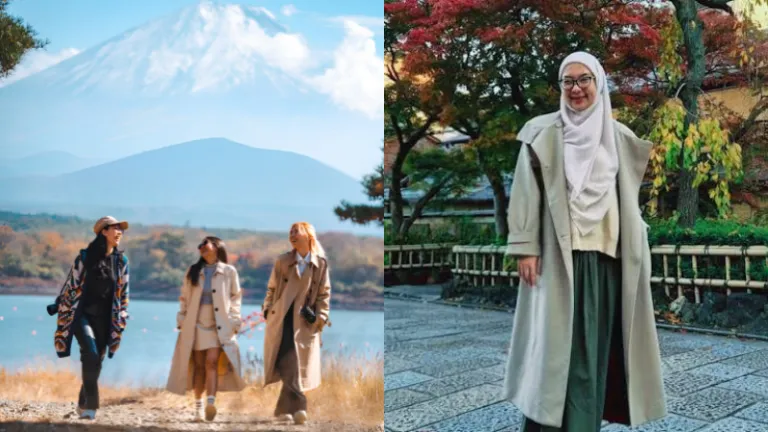 Autumn is another wonderful season to explore Japan. As the weather cools down, the country's landscapes transform into beautiful shades of red, orange and yellow. Known as koyo, the autumn foliage season attracts visitors who want to enjoy scenic gardens, mountain views and peaceful temple surroundings.
Autumn generally lasts from September to November, with temperatures ranging from around 8°C to 27°C. September can still feel quite warm, while October and November are usually cooler, especially in the mornings and evenings.
It is also worth remembering that September can be affected by typhoons and heavy rain, so check the weather forecast before heading out.
What Should Muslim Travellers Wear in Autumn?
Autumn is perfect for layering. You can enjoy modest outfits while adjusting your clothing throughout the day as the temperature changes.
Consider packing these items:
Long-sleeved shirts: Comfortable for warmer autumn days in September.
Maxi dresses: Pair them with a cardigan or jacket for a simple autumn look.
Wide-leg trousers: A versatile option for sightseeing and exploring the city.
Knit cardigans: Great for cooler mornings and evenings.
Light jackets or trench coats: Useful during October and November.
Scarves and warmer hijabs: Choose slightly thicker fabrics as the weather gets colder.
If you are travelling in September, lightweight outfits may still be comfortable during the day. However, bring a cardigan or jacket for evenings.
For October and November, warmer layers are recommended, especially if you are visiting destinations such as Kyoto, Nikko or Hokkaido to see the autumn leaves.
Muslim traveller tip: If you are planning to visit traditional temples, gardens or historical districts, choose long skirts, loose trousers or maxi dresses paired with comfortable walking shoes. Some sightseeing areas have stone paths, stairs and uneven surfaces, so avoid outfits that make walking difficult.
You can also bring a compact prayer mat and a small prayer garment if you prefer having your own items when finding a suitable place to pray during your sightseeing day.
What to Wear in Japan During Winter (December to February)
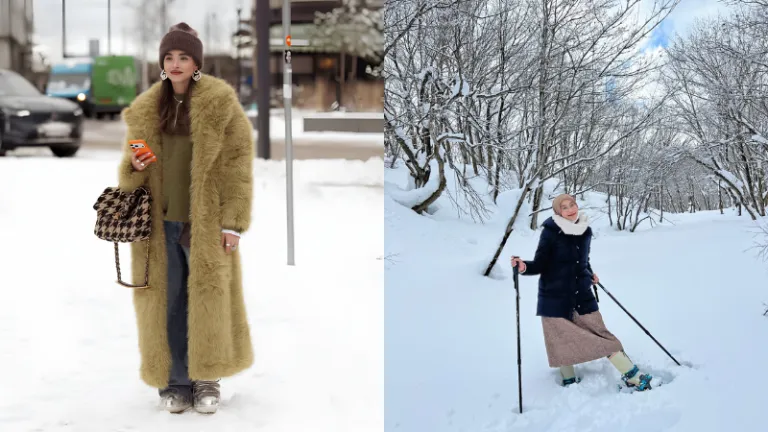 If you love snowy landscapes, winter might be the perfect time to visit Japan. From the snow-covered streets of Hokkaido to the winter illuminations in Tokyo, the country offers a completely different atmosphere during the colder months.
Winter generally lasts from December to February, although cold conditions can continue into March in some regions.
Temperatures vary significantly across the country. Southern Japan is usually milder, with temperatures often ranging from around 2°C to 12°C. Meanwhile, Hokkaido, Tohoku and other northern or mountainous regions can experience temperatures below freezing, with heavy snowfall in some areas.
Tokyo may also experience occasional snowfall, although it is generally much milder than northern Japan.
What Should Muslim Travellers Wear in Winter?
Winter requires a little more preparation, particularly if you are used to living in a tropical country. A warm outfit is essential, but you can still dress modestly without feeling too bulky.
Here are some winter essentials to pack:
Thermal innerwear: Wear heat-retaining tops and leggings as your base layer.
Down jackets or padded coats: These are useful for keeping warm when exploring snowy destinations.
Long-sleeved tops and knitwear: Perfect for layering over thermal clothing.
Warm trousers: Consider fleece-lined trousers or thermal leggings underneath your regular trousers.
Thick hijabs and scarves: Choose warmer fabrics to protect your head and neck from the cold.
Gloves and earmuffs: Essential when spending long hours outdoors.
Thermal socks: Keep your feet warm, especially when walking through snowy areas.
Waterproof shoes or boots: A must if you are visiting places with snow or icy pavements.
If you are visiting Japan in winter, layering is much more practical than wearing one very thick outfit. You can remove a layer when entering heated shopping malls, restaurants or train stations and put it back on when heading outdoors.
You can also buy disposable body warmers, known as kairo, at many convenience stores and drugstores across Japan. Simply place them inside your pockets or follow the product instructions for extra warmth.
Muslim traveller tip: If you wear a hijab, consider using a warm inner cap and a thicker scarf during winter. You can also layer a thermal top underneath your regular outfit without changing your preferred modest style. For snowy destinations such as Sapporo, choose waterproof outerwear and shoes with good grip to avoid slipping.
Winter Activities for Muslim Travellers
Winter is a great time to enjoy outdoor adventures in Japan. You can try skiing, snowboarding, ice skating or simply enjoy the beautiful snowy scenery.
Some popular winter destinations include:
Sapporo, Hokkaido: Famous for its winter atmosphere, snow festivals and seasonal food.
Niseko, Hokkaido: A popular destination for skiing and snowboarding.
Nagano: Known for its ski resorts, mountain scenery and winter activities.
Tohoku: Offers snowy landscapes, hot springs and traditional winter experiences.
If you plan to spend a full day outdoors, bring extra thermal layers, gloves and spare socks. Wet clothing can make you feel cold very quickly, so waterproof outerwear is particularly useful.
Extra Clothing Tips for Muslim Travellers Visiting Japan
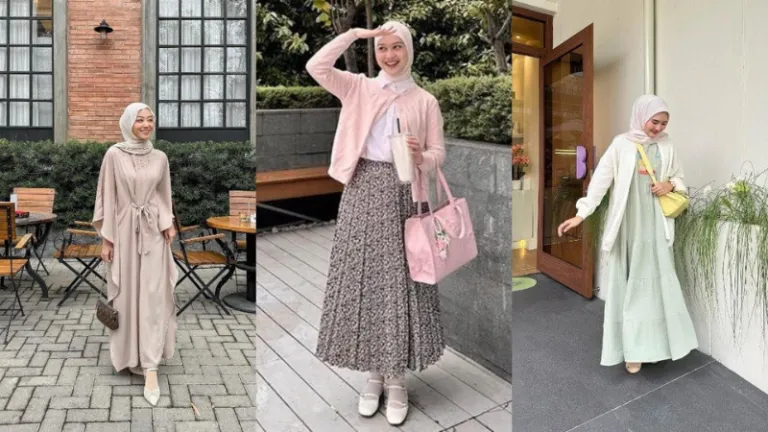 Knowing what to wear in each season is a great starting point, but there are a few additional things Muslim travellers should consider when preparing for a trip to Japan.
1. Choose Modest Clothing That Is Easy to Mix and Match
You do not need to pack a completely different outfit for every day. Instead, bring versatile pieces that can be styled in different ways.
For example, a neutral-coloured cardigan can be paired with a maxi dress, wide-leg trousers or a long skirt. A lightweight shirt can also work as an extra layer over a dress or top.
Choosing a simple colour palette will make it easier to mix and match your outfits while saving space in your suitcase.
2. Pack Prayer-Friendly Clothing
If you are travelling around Japan for several days, you may spend a lot of time outside your hotel. Having comfortable prayer clothing can make your journey easier.
Consider bringing:
A lightweight telekung or travel prayer garment.
A compact prayer mat.
A lightweight scarf or extra hijab.
Socks, if you prefer wearing them during prayer.
A small bag to keep your prayer essentials together.
You may also want to research mosque and prayer room locations near the attractions on your itinerary before leaving your hotel.
3. Wear Comfortable Shoes for Long Sightseeing Days
Japan is a fantastic destination for exploring on foot. Whether you are walking around Shibuya, visiting Kyoto's temples or exploring the streets of Osaka, you can easily spend several hours walking each day.
Choose comfortable trainers, supportive walking shoes or weather-appropriate boots. If you wear long skirts or maxi dresses, make sure your footwear is comfortable enough for stairs, train stations and uneven paths.
Remember that you may need to remove your shoes when entering certain traditional buildings, so footwear that is easy to take off and put on can be helpful.
4. Dress Respectfully When Visiting Shrines and Temples
Japan's shrines and temples are important cultural and religious sites. Although many do not have strict clothing rules for visitors, it is thoughtful to dress respectfully.
For Muslim travellers, loose trousers, long skirts, maxi dresses and tops that cover the shoulders are practical choices.
You should also follow local etiquette, such as keeping your voice down, respecting restricted areas and observing signs around the grounds.
5. Prepare a Suitable Outfit for Visiting an Onsen
Experiencing a traditional Japanese onsen, or hot spring, is something many travellers look forward to. However, it is important to understand the bathing rules before making a reservation.
Many traditional public onsens have gender-separated bathing areas and require guests to bathe without swimwear. Some Muslim travellers may feel uncomfortable with this arrangement, so it is worth researching the facility's policy beforehand.
If you prefer more privacy, look for:
Private onsen baths that can be booked for individual or family use.
Guest rooms with private open-air baths.
Family baths that can be reserved for private sessions.
Facilities with clear privacy arrangements that suit your comfort level.
Remember that private onsen availability and rules vary between properties. Contact the accommodation before booking to confirm whether the bathing arrangements meet your needs.
6. Pack for Changing Indoor and Outdoor Temperatures
Japanese buildings, shopping malls, hotels and public transport can have heating or air-conditioning depending on the season.
During spring and autumn, it is helpful to bring a cardigan or light jacket. In winter, you may need to remove your heavy coat when entering heated indoor spaces.
Layering your clothing makes it easier to stay comfortable throughout the day.
Japan Packing Checklist for Muslim Travellers
Still wondering what to put in your suitcase? Here is a simple checklist to help you prepare for your trip.
Everyday modest clothing
Long-sleeved tops and blouses.
Loose trousers or wide-leg pants.
Maxi dresses and long skirts.
Lightweight cardigans or jackets.
Comfortable hijabs in different fabrics.
Comfortable walking shoes.
Prayer essentials
Travel prayer garments or telekung.
Compact prayer mat.
Extra scarf or hijab.
Small bag for prayer essentials.
Seasonal clothing
Spring: Light coat, cardigan and layering pieces.
Summer: Breathable cotton or linen outfits, sun hat and sunglasses.
Autumn: Knitwear, light jacket and warmer scarf.
Winter: Thermal wear, down jacket, gloves, warm socks and waterproof boots.
Other useful items
Compact umbrella.
Sunscreen.
Reusable water bottle.
Small day bag.
Extra socks.
Weather-appropriate outerwear.
Also read: 10 Unspoken Rules Every Muslim Traveller Should Know Before Visiting Japan
Final Thoughts: Enjoy Japan in Every Season!
Japan is truly a destination for all seasons. Whether you are admiring cherry blossoms in spring, enjoying summer festivals, exploring colourful autumn landscapes or playing in the snow during winter, every visit offers a different experience.
For Muslim travellers, preparing the right outfits can make the journey even more enjoyable. The key is to choose comfortable, modest clothing that suits the weather and your planned activities. Bring breathable layers for warmer months, warmer outerwear for winter, and your prayer essentials so you are ready for long sightseeing days.
So, what are you waiting for? Start planning your Japan adventure, check the seasonal weather, prepare your suitcase and get ready to discover the beauty of Japan throughout the year!
Published at
About Author
Subscribe our Newsletter
Get our weekly tips and travel news!
Recommended Articles
Halal Travel in China: Exploring Xi’an and Xinjiang 10 Muslim-Friendly Islands in Indonesia Many travellers have either been to Bali and Lombok, or are planning a trip there – they are the most popular tourist destinations for Muslim and non-Muslim alike. . While these islands are tourist-friendly and especially Muslim-friendly, there are many other islands in Indonesia that are just as beautiful and have lots to offer. Check […]
12 Travel Hacks for Muslim Travellers travel hacks Today’s dose of truth: Travelling is indeed a rewarding experience — but it’s never nearly as glamorous or as Instragrammable as we put it to be. Not 100% of the time, at least. In fact, exploring the globe presents Muslim travellers with their own set of worries! Muslim travellers face different kinds of […]
What Type of Muslim Traveller Are You? The Muslim traveller approaches the same destination in different ways. For some types, it can be the destination of self-discovery, while for others it’s merely a vacation. Ever wondered what type of traveller you are? We’ve listed down of some of the different types of Muslim travellers. Are you any one of them; a combination […]
Beyond Luxurious Getaways: Here Are More Things to Experience in the Maldives What else can you do in the Maldives aside from soaking in the ambience of your overwater villa?
Latest Articles
Complete Guide to the Dress Code in Saudi Arabia for Tourists Discover Saudi Arabia’s dress code for tourists, including clothing rules for men and women, abayas, beachwear, mosque etiquette and packing tips
A Muslim-Friendly Guide to Resorts World Sentosa: Halal Food, Prayer Rooms and Family Fun Here's everything Muslim travellers need to know before visiting!
14 Mosques and Prayer Rooms in Osaka, Japan Every Muslim Traveller Should Know Discover 14 mosques and prayer rooms in Osaka, Japan, including locations in Namba, Umeda and popular shopping centres for Muslim travellers.
8 Halal Food Spots in Dotonbori, Osaka, Every Muslim Traveller Should Try Looking for halal food in Dotonbori, Osaka? Discover 8 halal and Muslim-friendly restaurants, from ramen and okonomiyaki to Wagyu.
Mosques and Prayer Rooms in Hokkaido: A Muslim Traveller’s Guide to a Comfortable Winter Holiday find the nearest mosque or prayer room in Hokkaido during winter trip