

Where else are you going to frolic with camels, check out the world’s largest indoor theme park, and sashay publicly in a unicorn onesie – all in a day?
Mount Fuji Climbing Fee: How Much Travellers Need to Pay in 2025
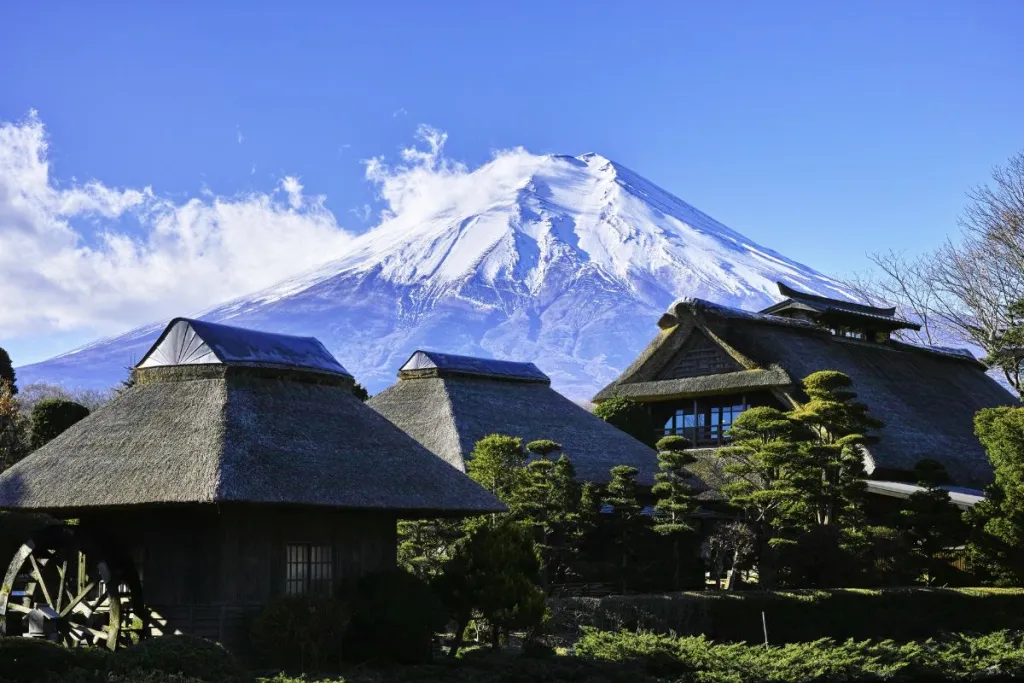
If you’re looking to climb Mount Fuji this year, be prepared to pay extra for access to the hiking trails! Starting this summer, climbers will face a unified entry fee across all four main trails. Here’s what you need to know about the new Mount Fuji climbing fees.
Starting this summer, avid hikers looking to conquer Japan’s most famous mountain will have to pay an entry fee of 4,000 Yen (approximately SGD 36) to access the four main trails on the mountain. Previously, hikers only needed to pay a 2,000 Yen fee if they wanted to access the popular Yoshida Trail in Yamanashi. The double in price, and the implementation of Mount Fuji climbing fees on the other main trails come into effect following approvals by both the Shizuoka and Yamanashi prefectural assemblies. The revenue will fund staff costs and safety improvements, replacing the previous 1,000-yen donation system.
Also read: Japan Implements 3 New Rules: A Traveller's Guide to Staying Safe and Respectful
Why is there a climbing fee for Mount Fuji?
 Image credit: MasterLu | Canva Pro
This fee, doubled from the previous fee for the popular Yoshida trail in Yamanashi that was implemented last year, aims to combat overcrowding and environmental damage on the 3,776-meter peak, which has seen a record influx of foreign tourists.
In addition, Shizuoka prefecture has introduced an ordinance to restrict access to its Fujinomiya, Gotemba, and Subashiri trails between 2pm and 3am, effective 9 May, before the July climbing season. This measure aims to curb “bullet climbing,” the dangerous practice of summiting without rest. Only climbers with mountain lodge reservations will be permitted access during these hours.
Also read: 8 Places for Great Views of Mount Fuji
Do I need to make a reservation to hike Mount Fuji?
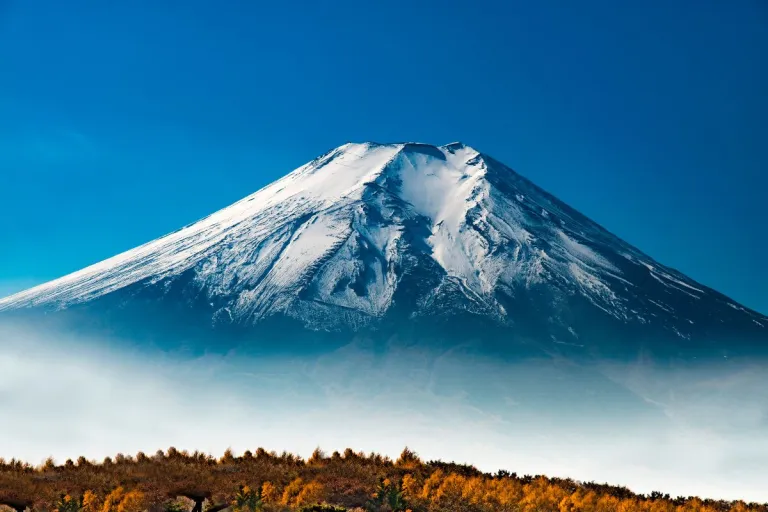 Image credit: tobiasjo | Canva Pro
Furthermore, the Yamanashi region has implemented a cap on daily entries and online reservations for the Yoshida trail, reflecting concerns about safety and environmental degradation. These measures, along with the new fees, contributed to a slight decrease in overall climber numbers. While numbers are still below pre-pandemic levels, officials emphasise that “200,000 hikers is still huge,” highlighting the need for restrictions to ensure climber safety.
Mount Fuji, a UNESCO World Cultural Heritage site since 2013, draws hundreds of thousands of climbers annually during its July-September climbing season. The symmetrical mountain, immortalised in artworks like Hokusai’s “Great Wave,” last erupted approximately 300 years ago and is known as one of the best locations in Japan to watch the sunrise.
Published at
About Author
Aimi Zulkiflee
Aimi is the ultimate daydreamer with a flair for adventure and an avid novel reader with a soft spot for all things fairytale. She is known for her friendly demeanor, albeit with a bit of a short temper. Forever striving to live her cutesy yet demure life.
Subscribe our Newsletter
Get our weekly tips and travel news!
Recommended Articles
A Week in Dubai: 12 Things to Do in this Muslim-Friendly Playground 8 Muslim-Friendly Snacks to Try in Tokyo Who says Halal/Muslim-friendly food is hard to find in Japan? These Japanese treats, from Senbei to Taiyaki, will delight Muslim travellers in Tokyo.
18 Best Things to Do & Places to Visit in Isfahan Check out the many activities and attractions in Isfahan, a historic city along the typical tourist route in Iran.
Tourism New Zealand Adds 289 Restaurants & Cafes to Its Halal Food Guide! Muslim foodies, make New Zealand your next travel destination now!
Halal Travel in China: Exploring Xi’an and Xinjiang From visiting mosques inspired by Middle Eastern architecture to exploring vibrant spice markets, there’s plenty of Muslim-friendly activities to do in Xi’an and Xinjiang!
Latest Articles
8 Day Trips From Tokyo for Muslim Travellers to Elevate Your Japan Itinerary It's your sign to travel outside Tokyo!
The Perfect Guide for Muslim Travellers in Bangkok: Hotels, Dining, and Mosques Exploring Thailand’s vibrant capital wouldn't be complete without this guide!
Seoul Muslim Travel Guide: From Halal Eats and Prayer Spaces to Top Shopping Spots Shop till you drop, feast on delicious halal food, and find prayer rooms easily with this guide!
8 Muslim-Friendly Snacks in Tokyo You Should Try Discover 8 Muslim-friendly snacks in Tokyo, from senbei and yaki imo to halal chiffon cake, taiyaki, crepes, and street kebabs
10 Halal Restaurants in Shibuya, Tokyo for Muslim Travellers Discover 10 halal and Muslim-friendly restaurants in Shibuya, Tokyo, from halal Wagyu ramen and yakiniku to shabu-shabu and curry