

Looking for cheap, good and Halal food in Orchard Road? You can get a full meal under $10 at these awesome local eateries!
10 Best Winter Destinations in Nagano: A Muslim Traveller’s Guide to the "Roof of Japan"
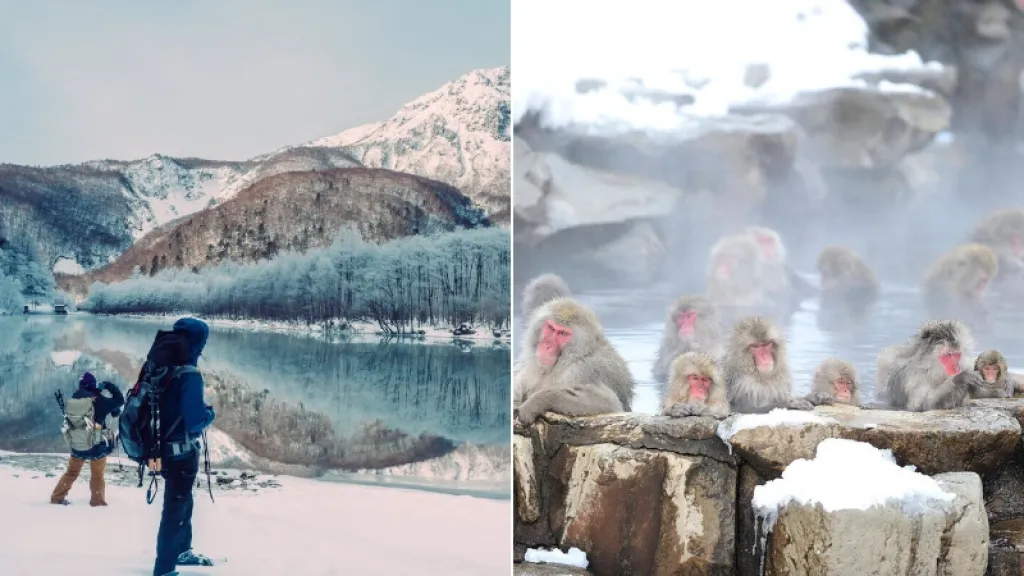
When it comes to the ultimate winter escape in Japan, Nagano sits at the very top of the list. Known as the "Roof of Japan" due to its towering mountain ranges, this prefecture offers much more than just world-class ski slopes. Nagano is a soulful blend of majestic alpine landscapes, preserved Edo-period charm, and steaming onsen (hot springs) that provide the perfect end to a snowy day.
Also read: 15 Unmissable Winter Festivals in Japan for 2026: A Muslim Traveler’s Guide
Traveling to Nagano in winter feels like stepping into a serene, white fairytale. From the world-famous snow monkeys soaking in natural springs to sacred forest shrines and traditional villages blanketed in powder, the region is a playground for those seeking a unique winter experience. For Muslim travelers, Nagano is becoming increasingly welcoming, with a growing number of facilities catering to diverse needs. Here are 10 must-visit winter spots in Nagano, along with essential tips for a smooth, Muslim-friendly journey.
1. Jigokudani Yaen-Koen: The Iconic Snow Monkeys
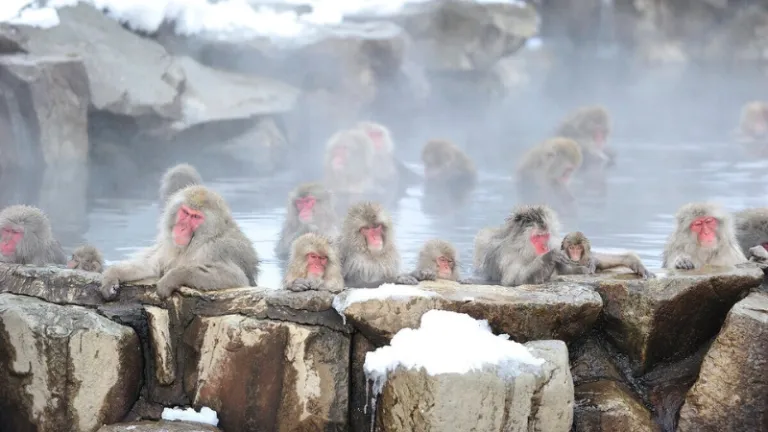
Image credit: Nagano Prefecture Official Tourism Site | Official Website
This is perhaps Nagano’s most famous global icon. At Jigokudani Yaen-Koen, you can witness the rare sight of wild Japanese Macaques (Snow Monkeys) relaxing in natural hot spring pools amidst a snowy valley. Seeing their red faces peeking through the rising steam is incredibly photogenic.
Muslim-Friendly Tip: The trail to the park can be slippery and takes about 30 minutes to walk. Ensure you wear sturdy, waterproof boots. There are no prayer rooms at the park, so it's best to perform your prayers before heading out from Nagano Station. At the entrance to Jigokudani, you'll find Enza Cafe, a Muslim-friendly spot perfect for a break.
Address: 6845 Hirao, Yamanochi, Shimotakai District, Nagano 381-0401
Opening Hours: Daily, 09.00 AM – 04.00 PM
2. Narai-juku: An Aesthetic Step Back in Time
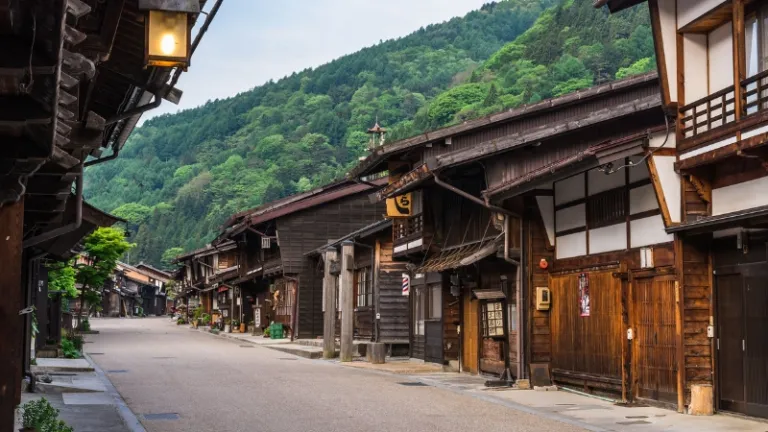 Image credit: Narai-juku Tourist Association | Official Website
Experience the atmosphere of Edo-period Japan at Narai-juku. This beautifully preserved post town in the Kiso Valley looks magical in winter when the heavy snow rests on the dark wooden eaves of ancient buildings. Walking here feels like a nostalgic journey far away from the modern world.
Address: Narai, Shiojiri, Nagano 399-6303
3. Zenkoji Nakamise Street: Culinary and Souvenir Hub
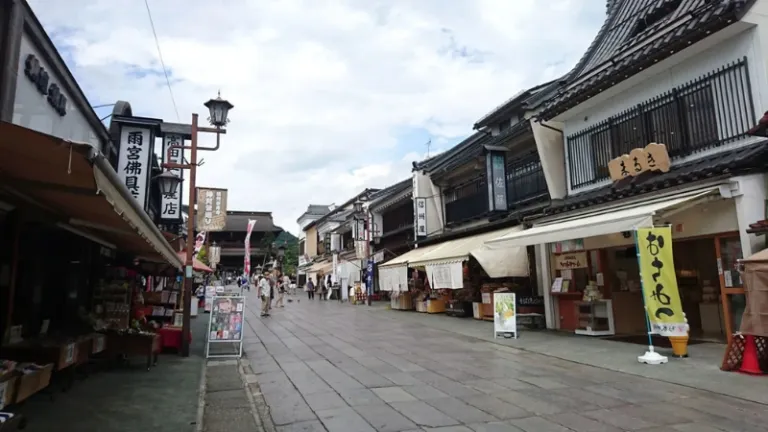 Image credit: Nagano Prefecture Official Tourism Site | Official Website
Before reaching the main hall of Zenko-ji Temple, you’ll walk through Nakamise Street. This stone-paved path is lined with traditional shops and food stalls. In winter, the scent of freshly grilled oyaki (Nagano’s signature dumplings) fills the air.
Muslim-Friendly Tip: Many oyaki are filled with vegetables like nozawana (pickled greens), pumpkin, or sweet bean paste. Always ask for "vegetable-only" options or simply choose the sweet fillings to avoid any meat.
Address: 〒380-0851 Nagano, Motoyoshicho−483
4. Zenko-ji Temple: The Sacred Heart of Nagano
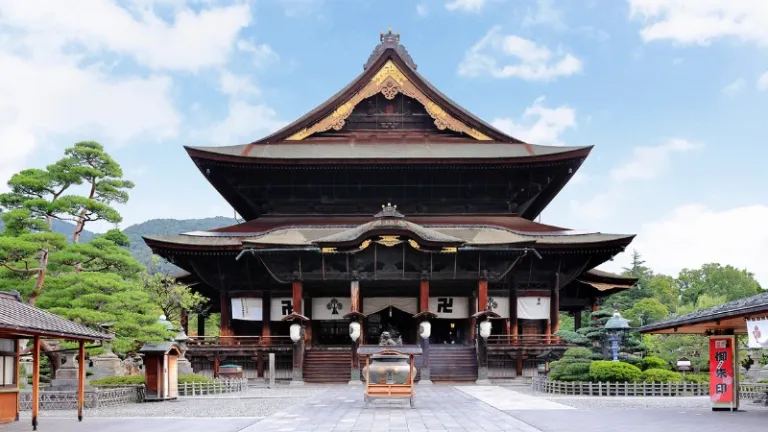 Image credit: Zenkoji Temple | Official Website
One of Japan’s oldest and most important temples, Zenko-ji houses what is believed to be the first Buddhist statue ever brought to Japan. In winter, its massive thatched roof covered in snow creates a deeply spiritual and serene atmosphere. Don’t miss the Okaidan Meguri, a walk through a pitch-black underground tunnel beneath the altar to find the "Key to Paradise."
Address: 491-i Nagano-Motoyoshicho, Nagano
Operating Hours: Daily, 06.00 AM – 04.00 PM
5. Shiga Kogen Ski Resort: Japan’s Highland Paradise
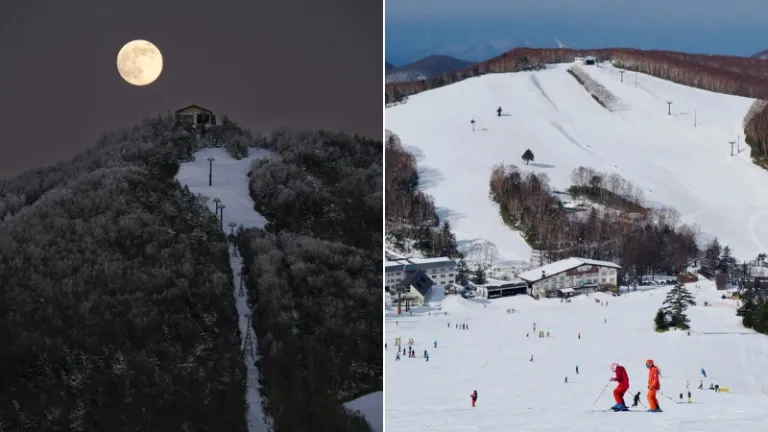 Image credit: @shigakogen.jpn
As the largest and highest ski area in Japan, Shiga Kogen is a dream for winter sports enthusiasts. It consists of 18 interconnected resorts, all accessible with a single ski pass. Because of its altitude, the snow quality here is exceptionally consistent and fluffy, making it the perfect winter getaway for families.
Address: 7148-203 Hirao, Yamanouchi, Shimotakai District, Nagano
6. Hakuba Valley: International Vibes and Stunning Peaks
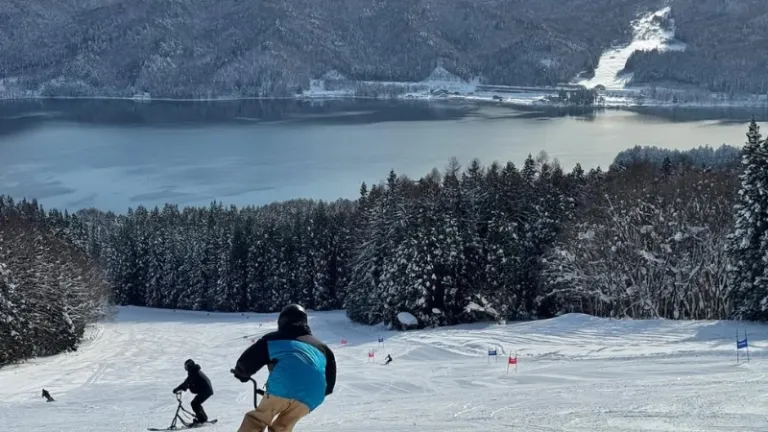 Image credit: @hakubavalley
Hakuba is the go-to destination for an international ski atmosphere. Having hosted the 1998 Winter Olympics, it offers 10 different resorts with excellent English-speaking instructors and a vibrant après-ski scene. If you want to learn how to snowboard, there's no better place than one of Hakuba's resorts.
Muslim-Friendly Tip: Hakuba is one of the most Muslim-friendly areas in Nagano. Several resorts offer Muslim-friendly breakfasts and rooms spacious enough for prayer. For dining, you can visit Pietro at the Shakespeare Hotel, which serves satay and fried chicken. The staff there speak English and Malay, so you can easily ask them for recommendations on Muslim-friendly dishes.
Address: 7025 Hokujo, Hakuba-mura, Kitaazumi-gun, Nagano-ken 399-9393
7. Nozawa Onsen: Tradition and Relaxation
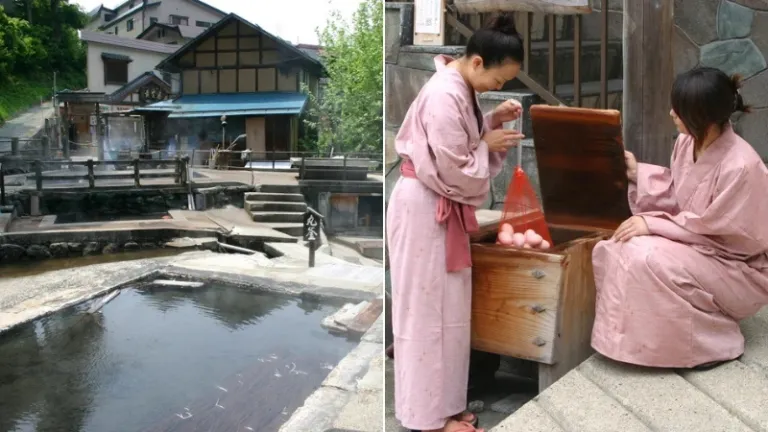 Image credit: Nagano Prefecture Official Tourism Site | Official Website
Nozawa Onsen perfectly blends a traditional hot spring village with a world-class ski resort. After a day on the slopes, wander through the narrow streets and soak in one of the 13 soto-yu (free public bathhouses). A visit to Nozawa Onsen isn't complete without cooking onsen tamago in the iconic waters of Ogama Onsen.
Note: While onsen are a great experience, most are gender-segregated and require nudity. For more privacy, look for hotels that offer kashikiri (private family baths).
Address: Nozawaonsen-mura, Shimotakai-gun, Nagano
8. Restaurant Kamakura Village: Dining in an Igloo
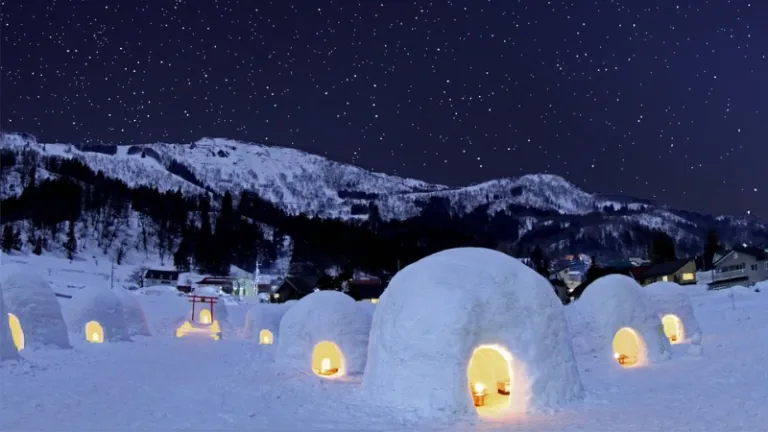 Image credit: Shinshu-Iiyama Tourism Bureau | Official Website
In the city of Iiyama, you can enjoy a magical meal inside a kamakura (snow igloo). This experience is only available for a few weeks (usually late January to February). The local specialty, Noroshi Nabe, typically features pork, but a Muslim-friendly alternative is available. This option uses halal chicken and alcohol-free seasonings, all prepared with dedicated cooking equipment.
Important notice: Muslim travelers should inform the management in advance by writing 'halal' or 'vegetarian' in the comments section when making a reservation.
Address: 807-2 Kotobuki, Iiyama, Nagano 389-2418
9. Kamikochi: For the Brave Adventurers
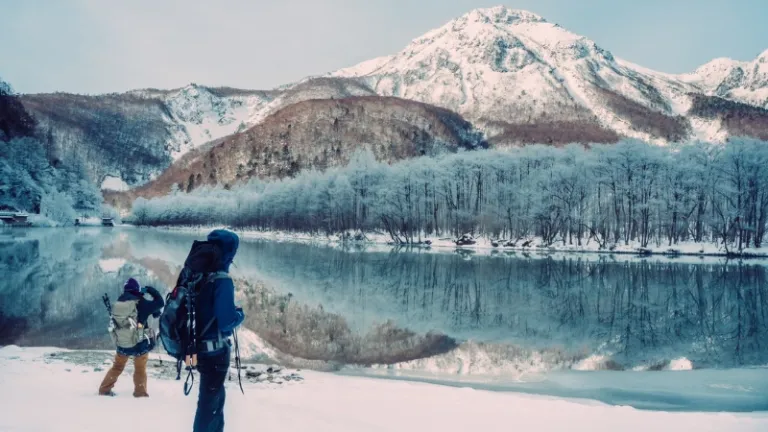 Image credit: Nagano Prefecture Official Tourism Site | Official Website
While Kamikochi is a summer favorite, visiting in winter is a challenge meant for the adventurous. Most shops, hotels, and buses are closed. You can only enter by trekking or snowshoeing with a professional guide. The reward is total silence and a view of frozen lakes against the pure white Alps.
Muslim-Friendly Tip: There are no dedicated prayer facilities in the Kamikochi area, and because the trekking routes can be time-consuming, Muslim travelers are advised to bring their own meals and complete their prayers at the hotel before heading out.
Address: 上高地 Azumi, Matsumoto, Nagano 390-1516
10. Togakushi Shrine: The Giant Cedar Walk
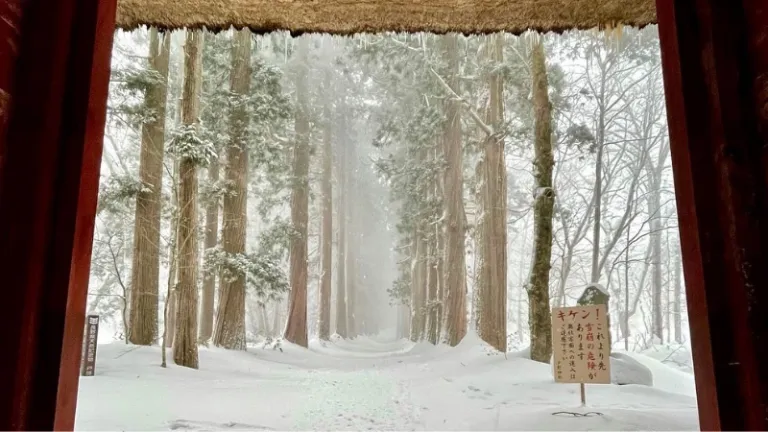 Image credit: @togakushi.kanko
Togakushi is famous for its giant, 400-year-old cedar trees lining the path to Okusha, the upper shrine. In winter, the path is silent and buried in deep snow, making the walk feel incredibly spiritual.
Muslim-Friendly Tip: Togakushi is famous for its Soba (Buckwheat noodles). Soba is naturally vegetarian-friendly, but the dipping sauce (tsuyu) often contains fish dashi and mirin. You can enjoy "Kake Soba" (hot) or "Zaru Soba" (cold)—just be mindful of the broth or ask for simple salt to season your noodles.
Address: Chūsha-3506 Togakushi, Nagano, 381-4101
Also read: Muslim-Friendly Winter Guide to Shirakawago, Japan's Magical Snowy Village
Nagano is an all-in-one winter destination. Whether you want to relax in the springs of Nozawa or feel the adrenaline at Hakuba, the "Roof of Japan" has a place for you. Just remember to pack your warmest layers, respect the local customs, and get ready for a snowy adventure you’ll never forget!
Published at
About Author
Jeihan Azalea
Jeihan is an ambitious explorer who travels the world with a pen in her hand.
Subscribe our Newsletter
Get our weekly tips and travel news!
Recommended Articles
10 Cheap Halal Food and Restaurants in Orchard Road Useful Tips for Travelling During Ramadan Do you or anyone you know face difficulties whilst travelling during Ramadan? We’ve got you covered!
10 Halal Restaurants in Bangkok to Satisfy Your Thai Cravings From Korean-style BBQ and Punjabi curries to award-winning shrimp Pad Thai, take your pick from these amazing Halal restaurants in Bangkok.
Al Meroz: A Muslim-Friendly Hotel in Bangkok, Thailand Great news for Muslim travellers: Thailand’s first halal hotel is now open to the public!
Muslim Travel: 5 Things to Do in Dubai For Adrenaline Junkies Dubai is worth far more than a layover – This wondrous city has plenty to offer! Here are some exciting activities in Dubai for the Adrenaline Junkies!
Latest Articles
Halal-Certified Cafes & Restaurants in Bandung for a Delicious Food Trip Discover halal-certified cafes and restaurants in Bandung, serving delicious Indonesian, Western and Asian dishes perfect for Muslim travellers
12 Muslim-Friendly Destinations in Kota Kinabalu, Malaysia That Are Worth Visiting Explore the best of Kota Kinabalu, Borneo! From stunning landscapes to historic Islamic landmarks and prayer spaces, plan your perfect trip to Sabah
11 Aesthetic Cafes in Kota Kinabalu, Malaysia for Coffee and Chilling cafes in Kota Kinabalu serve quality coffee, delicious desserts, and local favourites, making them perfect for relaxing after a day of sightseeing
A Complete Manila Travel Guide for Muslim Travelers: Hotels, Halal Eats, and Mosques Find halal eats, prayer spaces, and where to go with this guide.
Muslim-Friendly Activities in Macao You Can Enjoy with Your Family Looking for things to do in Macao besides casinos? Discover 10 Muslim-friendly and family-friendly activities for your next trip