

Do you or anyone you know face difficulties whilst travelling during Ramadan? We’ve got you covered!
The Ultimate Guide to Enjoying Japanese Onsen for Muslim Travellers: Rules, Privacy, and Halal-Certified Ryokans
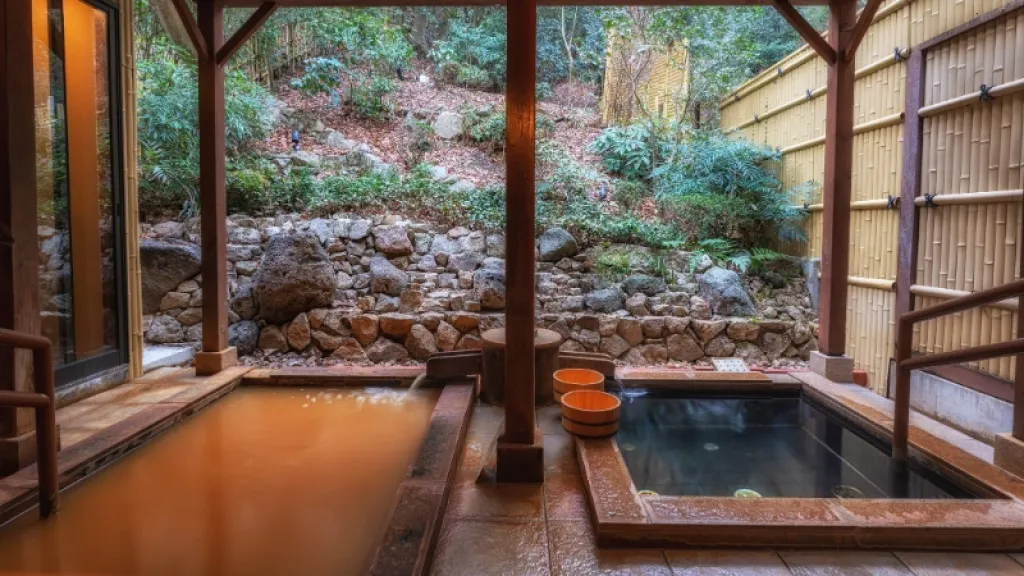
Soaking in a traditional hot spring (onsen) is undoubtedly one of the most magical experiences you can have while visiting Japan. Situated along the Geologically active Pacific Ring of Fire, the archipelago is blessed with thousands of natural geothermal springs. Over centuries, this abundance of mineral-rich water has shaped a deeply cherished bathing culture focused on physical rejuvenation, spiritual tranquility, and connecting with nature.
Also read: 10 Private Muslim-Friendly Onsens in Japan for Best Hot Spring Experience
However, for Muslim travellers, trying out an onsen can often raise a few questions. The traditional requirement to enter the water completely unclothed, coupled with considerations around finding halal food and prayer spaces, might make you feel a bit hesitant. Fortunately, the Japanese travel industry has become increasingly inclusive. With a clear understanding of hot spring etiquette and a look at the right accommodations, you can fully enjoy this authentic Japanese tradition with complete peace of mind.
Understanding Onsen Etiquette: A Step-by-Step Practical Guide
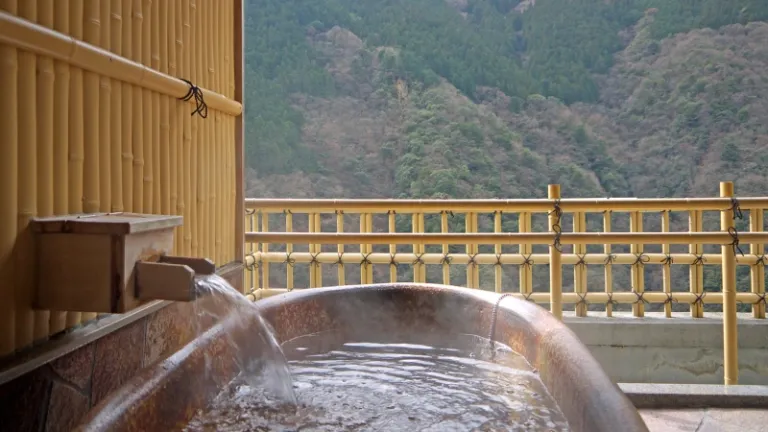 Image credit: ES3N | Canva Pro
To ensure your first onsen experience is smooth, respectful, and relaxing, it helps to familiarize yourself with the basic rules and flow before stepping foot inside.
Before Entering the Bathhouse
Know the Bath Type: Research whether the facility offers indoor baths (uchiburo), outdoor baths (rotenburo), or private options.
Bring the Right Towels: Most onsen expect you to have two towels: a standard bath towel for drying off afterward and a small hand towel (tenugui) to bring into the bathing area. Smaller public baths may not provide these, so you might need to bring your own, buy, or rent them at the front desk.
In the Changing Room
Changing areas are strictly gender-segregated. Look for the entrance curtains (noren): red curtains with the kanji 女 (onna) mark the women’s section, while blue curtains with the kanji 男 (otoko) mark the men’s section.
Inside, place all your clothing, belongings, phone, and wallet into a designated locker or basket. In traditional public onsen, no clothing—including swimwear, wraps, or underwear—is permitted inside the bathing area. The only item you should carry with you past the sliding door is your small hand towel (and your personal wash amenities if the facility doesn't provide them).
Washing Before You Soak
Before stepping into any communal pool, you must wash your body thoroughly. Head to the low shower stalls equipped with hand showers and small stools. Sit down while washing so water does not splash onto others. Use the provided soap and shampoo (or your own) and rinse off completely until no suds remain on your skin. The pools are meant strictly for soaking and relaxing, not for cleaning yourself, so keeping the shared mineral water pristine is vital.
While Soaking in the Onsen
Keep Your Towel Out of the Water: Your small hand towel should never touch the bathwater. You can fold it and balance it on top of your head or rest it on the dry ledge beside the pool.
Tie Up Long Hair: Secure long hair with a hair tie so it stays well clear of the water.
No Swimming or Submerging Your Head: Treat the pool as a space for quiet relaxation. Sit comfortably, submerge up to your shoulders, and let the warm mineral water soothe your muscles. Avoid swimming, splashing, or submerging your head.
Respect the Atmosphere: Keep conversations soft, avoid staring at other bathers, and immerse yourself in the soothing ambiance.
Mind the Temperature: Onsen water is typically quite hot, ranging from 40°C to 44°C. Don't push your limits—if you feel lightheaded, gently step out to cool down.
After Your Bath
You do not need to shower again after soaking, as leaving the rich geothermal minerals on your skin maximizes their therapeutic benefits. Before stepping back into the changing room, use your small hand towel to wipe off excess water so you don't drip on the floor. Once inside, dry off completely with your larger towel, get dressed, and feel free to use the vanity amenities like hairdryers. Afterwards, head to the lounge area to rest, rehydrate with a cold drink, or enjoy a light snack.
Privacy Solutions for Muslim Travellers
If communal bathing in front of others feels uncomfortable, you can still enjoy an authentic onsen experience while keeping your personal modesty intact. Here are two fantastic private alternatives:
1. Renting a Private Onsen (Kashikiri-buro or Kazoku-buro)
Many public bathhouses and ryokans offer private onsen rooms that can be reserved by the hour (usually 45 to 60 minutes). This option lets you soak in total privacy—either on your own or together with your family—without worrying about shared spaces.
2. Booking a Room with a Private Outdoor Bath (Rotenburo Attached Room)
For an elevated and luxurious getaway, consider booking a traditional ryokan room featuring its own private open-air bath right on the balcony or terrace. This gives you complete freedom to soak in natural hot spring water whenever you like, surrounded by scenic outdoor views and complete personal privacy.
Exploring Different Types of Japanese Onsen
To help you choose the setup that best suits your comfort level, here is a quick overview of the main bath styles you'll encounter across Japan:
Indoor Baths (Uchiburo): The most common style, featuring gender-segregated indoor rooms with shower stalls and large hot spring pools. Some larger venues offer multiple indoor pools with varying mineral compositions.
Open-Air Baths (Rotenburo): Outdoor bathing spaces that let you soak while breathing in fresh air and taking in nature, whether surrounded by lush gardens, autumn foliage, or falling snow.
Private Baths (Kashikiri-buro / Kazoku-buro): Enclosed hot spring rooms available for private hourly rental, ideal for families, couples, or bathers seeking complete solitude.
Foot Baths (Ashiyu): Shallow outdoor troughs filled with hot spring water meant solely for dipping your feet. Often located along streets in famous hot spring towns, these are completely free to use—no clothes removal required!
Top Halal-Certified and Muslim-Friendly Onsen Ryokans
Pairing a relaxing hot spring bath with a refined traditional Japanese dinner (kaiseki) is the ultimate highlight of staying at a ryokan. Fortunately, several exceptional properties across Japan now cater directly to Muslim guests by offering halal-certified dining and private bathing options.
1. Sato-yu Mukashibanashi Yuzanso (Shiga Prefecture)
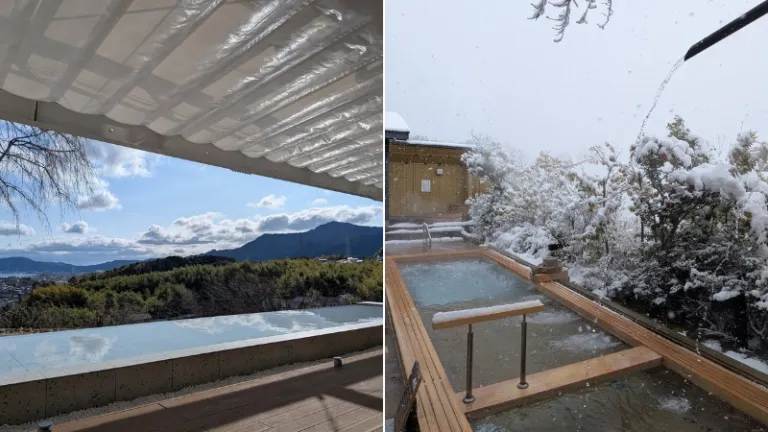 Image credit: 里湯昔話雄山荘 | Facebook
Nestled along the peaceful shores of Lake Biwa in Shiga Prefecture, Sato-yu Mukashibanashi Yuzanso is a pioneer in Muslim-friendly hospitality. It is one of the few traditional Japanese inns to hold an official Halal Certification for its exquisite kaiseki dinner menus. Every dish is meticulously crafted using authentic Japanese techniques and strictly halal-certified ingredients, prepared in dedicated kitchen areas free from pork and alcohol.
In addition to gourmet halal dining, Yuzanso accommodates spiritual needs by providing a clean, dedicated prayer room equipped with Qibla direction indicators and prayer mats. Guests can also choose guest rooms that boast private outdoor onsen tubs overlooking the scenic Shiga countryside.
2. Hitoyoshi Ryokan AYUNOSATO (Kumamoto Prefecture)
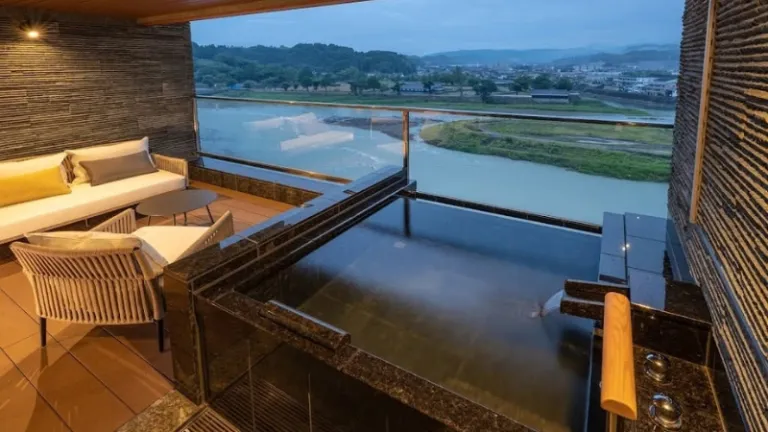 Image credit: 人吉温泉 あゆの里 Ryokan Ayunosato | Facebook
Located in southern Japan's Kumamoto Prefecture, Hitoyoshi Ryokan AYUNOSATO is another premier halal-certified destination beloved by international travellers. This elegant riverside property is renowned for serving world-class Halal Wagyu Beef, prepared by expert chefs in strict accordance with halal culinary guidelines.
A stay here offers a seamlessly luxurious combination: savoring melt-in-your-mouth halal wagyu, soaking in tranquil private hot spring waters beside the river, and experiencing heart-warming Japanese hospitality (omotenashi).
3. Otaru Kourakuen (Hokkaido)
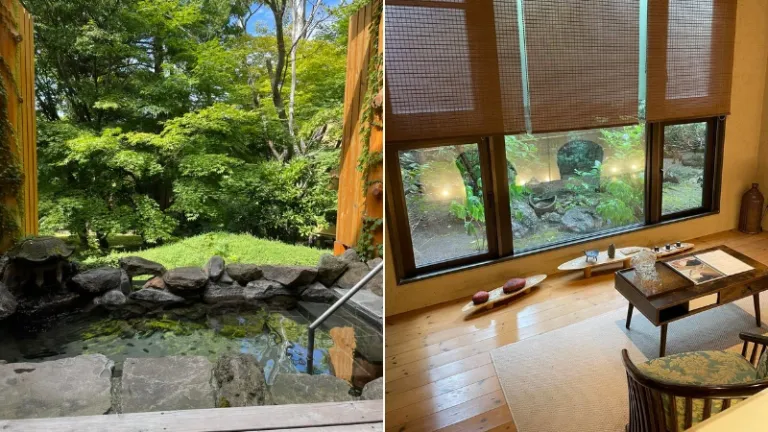 Image credit: おたる 宏楽園 | Facebook
If your travel plans take you north to Hokkaido, Otaru Kourakuen is a highly recommended Muslim-friendly choice. While the main kitchen is not fully halal-certified, the culinary team is remarkably accommodating and can prepare thoughtful no-pork and no-alcohol meal packages when requested in advance.
The crowning glory of this ryokan is its classic guest rooms featuring private attached rotenburo (outdoor onsen) that open directly onto a magnificent two-hectare Japanese garden, stunning in every season. For added convenience, a private bath on the second floor is also available for rental.
Also read: 7 Muslim-Friendly Ryokans in Kyoto For Autumn 2025: Garden Views, Onsen & Kaiseki
Final Travel Tips for Your Onsen Journey
Whether you choose a communal public bathhouse or book a room with a private balcony pool, taking part in Japan's hot spring culture is an unforgettable way to unwind and immerse yourself in local traditions.
As a final reminder: listen to your body and don't overdo it! Soaking in high-temperature mineral water can quickly raise your core body temperature. If you start feeling warm or lightheaded, take a break, sit on the edge of the pool to cool down, and drink plenty of water. Pack your favorite travel gear, pick the onsen style that feels right for you, and enjoy every moment of your relaxing Japanese getaway!
Published at
About Author
Jeihan Azalea
Jeihan is an ambitious explorer who travels the world with a pen in her hand.
Subscribe our Newsletter
Get our weekly tips and travel news!
Recommended Articles
Useful Tips for Travelling During Ramadan 17 Muslim-Friendly Travel Destinations to Visit in 2017 Check out these 17 Muslim-friendly travel destinations for your next holiday. Finding halal food will not be a problem anymore!
6 Best Places to Visit in Pakistan for Your First Trip Pakistan is underrated travel destination that has plenty of exciting destinations filled with beautiful nature, culture and heritage. Take a pick from these cities and regions for your first trip to Pakistan!
15 of the World’s Most Beautiful Mosques This article is dedicated to celebrating the Islamic architectural excellency, its cultures and histories – and to invite you to go admire them for yourself.
8 Muslim-Friendly Snacks to Try in Tokyo Who says Halal/Muslim-friendly food is hard to find in Japan? These Japanese treats, from Senbei to Taiyaki, will delight Muslim travellers in Tokyo.
Latest Articles
12 Free Attractions in Osaka, Japan to Make Your Trip More Budget-Friendly Save money on your Japan vacation!
10 Great Places to Shop for Souvenirs in Hong Kong: From Budget-Friendly Markets to Unique Keepsakes Bring home the best of Hong Kong!
8-Day Tokyo and Osaka Itinerary: From the Bustling Capital to Japan’s Kitchen Make your dream Japan trip come true!
Say Goodbye to Dotonbori’s Iconic Glico Running Man Sign: A Brand-New Look Is Coming Soon This is your final chance to capture the iconic neon sign!
8 Best Spots in Osaka to Enjoy Autumn Colours, From Parks to Waterfall Experience Osaka in full autumn bloom.