

Think SimCity, come to life.
Ramadan Food Wastage in Malaysia Reaches Over 120,000 Tonnes
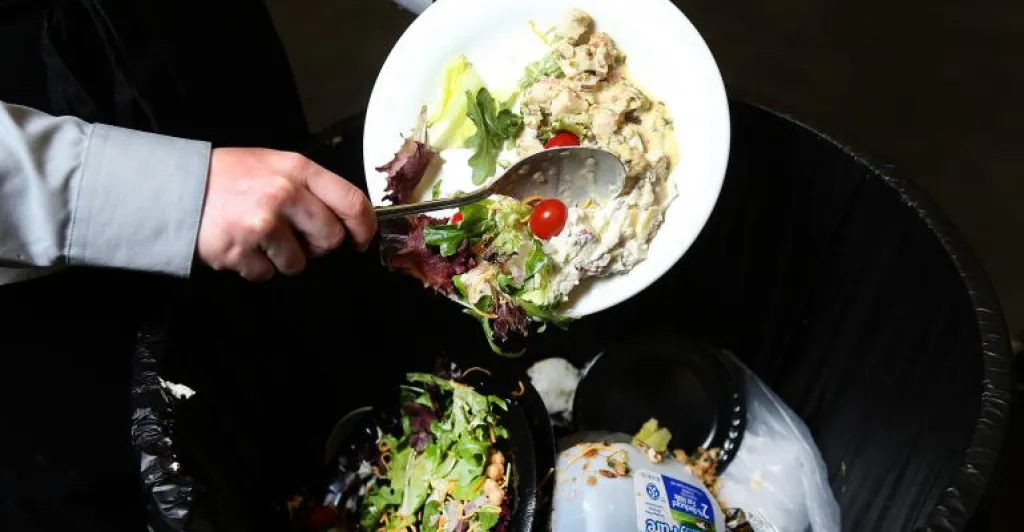
Food for thought: A dramatic increase in food waste is witnessed in Muslim countries during Ramadan every year due to lavish grocery shopping and elaborate iftars.
SWCorp’s annual report noted that during festive seasons, huge portions of food end up being thrown away. This year is no exception and the numbers are expected to increase by 15 to 20% every festive season. Even though statistics for 2019 is not final yet, the numbers are expected to increase for each state (especially in Kuala Lumpur) based on trends since 2016.
The food wastage for the entire holy month amounts to over 120,000 tons thus far. This is equivalent to a whopping 343 million packs of medium-sized nasi lemak.
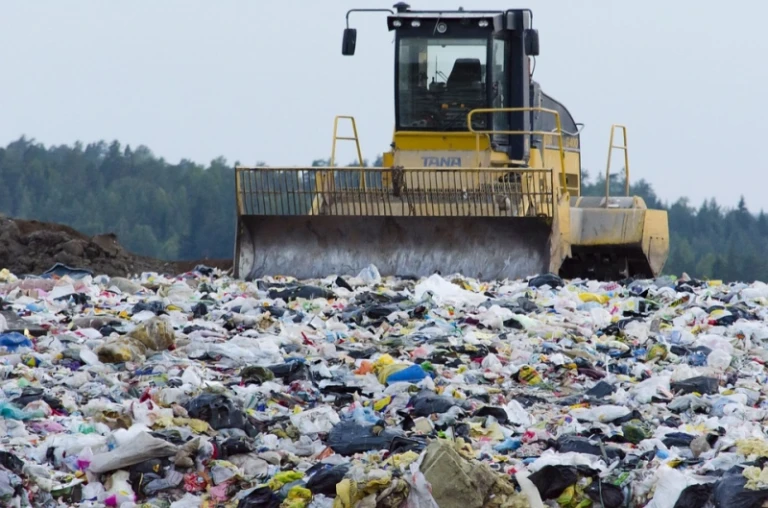
SWCorp deputy chief executive officer Mohd Pauze Mohamad Taha highlighted that “This amount of food waste could have fed 2.97 million people three times daily.” He also pointed out that “food leftovers make up 44.5% of the solid waste composition, which has an environmental, economic and religious impact. These leftovers that end up in landfills produce a large amount of leachate and methane gas that’s harmful to the environment.”
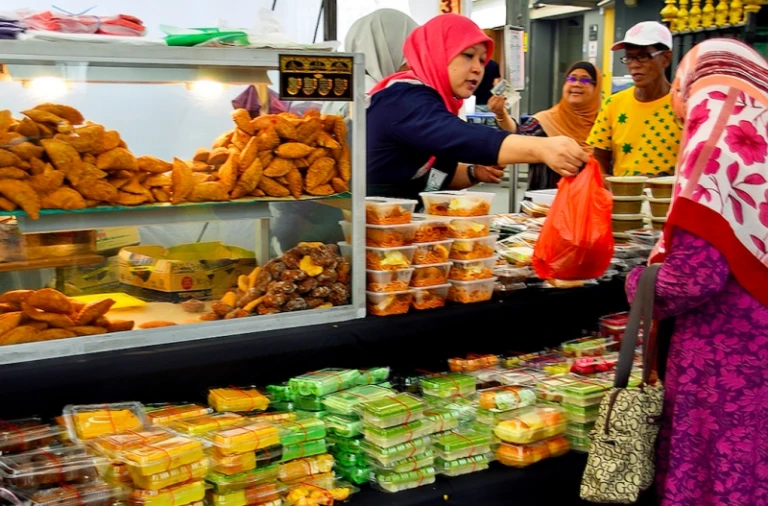 Image credit: Choo Yut Shing
Islamic Shari’ah advocates for eating in moderation and forbids excessiveness. To help mitigate the issue, SWCorp has initiated a Food Waste Reduction program dubbed “Love Food Hate Waste”. This programme aims to analyse the amount of food surplus from Ramadan bazaars and save excess food by channelling them to the less fortunate, underprivileged graduates and homeless students.
The public has also been advised to stop over-spending on food and plan their meal according to their needs while not being overly greedy. Leftovers must also be stored properly as improper storage leads to a huge amount of food waste.
Mr Mohd Pauze said that “Food waste management comes with a hefty price tag and puts a strain on the economy. “We must keep away from the habit of wasting food because the habit isn’t the practice of any religion and it will also be detrimental to ourselves.”
He also called for public awareness on the issue and mentioned the importance of powerful social media campaigns through the use of local celebrities, activists and influencers to get the message across. When more people are educated, food wastage can be reduced significantly. Keep the plates clean and do your part to protect the environment!
Also read: 11 Halal Food to Try at Malaysia’s Ramadan Bazaars
Published at
About Author
Nur Sofia
When she isn’t plotting her next solo trip, Sofia daydreams about Santorini sunsets, Cape Town coasts and Barcelona’s beaches. Born and bred in Singapore, she feels like her heart belongs to the world though. There is a high chance you'll find her munching on Nutella cupcakes while predicting the next blindside on Survivor.
Subscribe our Newsletter
Get our weekly tips and travel news!
Recommended Articles
In 20 Photos: Why Dubai is Basically #ArchitectureGoals What to Expect When Travelling to Iran: Expectations vs Reality Iran is a victim of multiple negative misconceptions – so much so that travellers usually get a surprise when they visit the country.
Muslim Travel Guide: How to Find a Mosque or Prayer Space Overcome the daily challenge of finding a place to pray – whether in a mosque or elsewhere – when you’re on the move.
Kosovo: The Undiscovered Muslim-Friendly Country in Europe Embrace this young and fascinating country in the Balkans where there’s much to see and do, and Halal food is easy to find.
A Muslim-Friendly Guide To Halal Restaurants In Seoul And Jeju Finding Halal food in Korea is getting easier by the day as the country firms up its reputation as a Muslim-friendly destination. Bookmark these Halal-certified or Muslim-friendly restaurants for your next trip to Seoul and Jeju!
Latest Articles
Halal-Certified Cafes & Restaurants in Bandung for a Delicious Food Trip Discover halal-certified cafes and restaurants in Bandung, serving delicious Indonesian, Western and Asian dishes perfect for Muslim travellers
12 Muslim-Friendly Destinations in Kota Kinabalu, Malaysia That Are Worth Visiting Explore the best of Kota Kinabalu, Borneo! From stunning landscapes to historic Islamic landmarks and prayer spaces, plan your perfect trip to Sabah
11 Aesthetic Cafes in Kota Kinabalu, Malaysia for Coffee and Chilling cafes in Kota Kinabalu serve quality coffee, delicious desserts, and local favourites, making them perfect for relaxing after a day of sightseeing
A Complete Manila Travel Guide for Muslim Travelers: Hotels, Halal Eats, and Mosques Find halal eats, prayer spaces, and where to go with this guide.
Muslim-Friendly Activities in Macao You Can Enjoy with Your Family Looking for things to do in Macao besides casinos? Discover 10 Muslim-friendly and family-friendly activities for your next trip