
Looking for cheap, good and Halal food in Orchard Road? You can get a full meal under $10 at these awesome local eateries!
What Muslim Travellers Should Know About Saudi Arabia’s Rules During Ramadan 2026
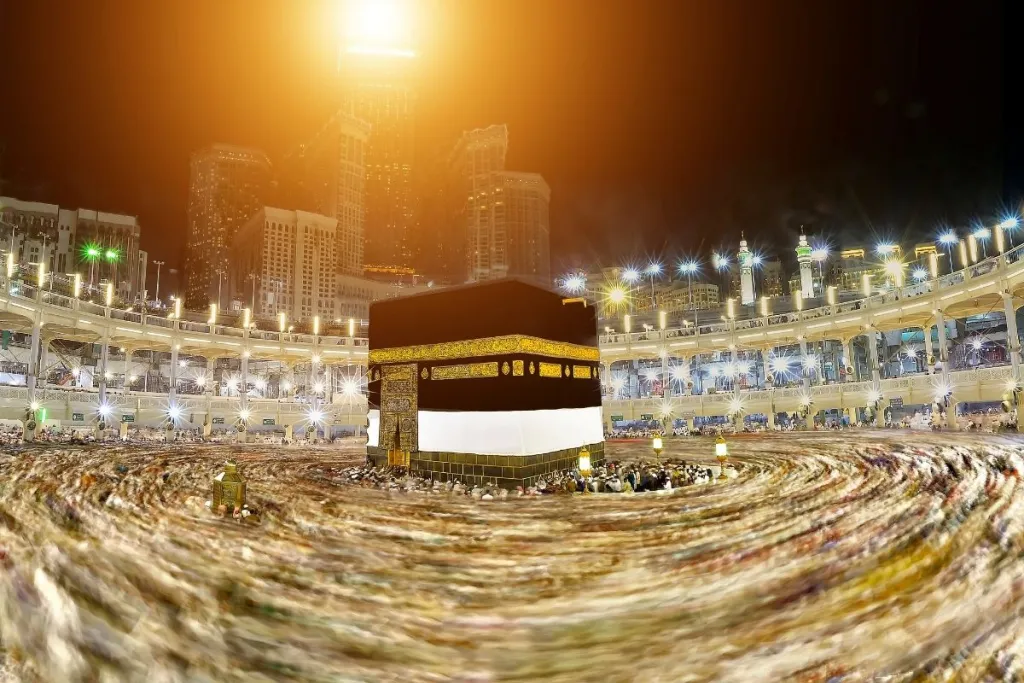
Experiencing Ramadan in Saudi Arabia is something many Muslim travellers dream of, whether it’s breaking fast near the Haram, performing Umrah, or spending the final ten nights in deep worship. With Ramadan 1447 AH (2026) approaching, Saudi Arabia’s Ministry of Islamic Affairs has released a new set of mosque guidelines aimed at ensuring a smoother, more organised experience for worshippers across the Kingdom. If you’re planning to be in Saudi Arabia during the holy month, here’s what you need to know before you go.
Also read: How Ramadan Transforms Cities Around the World: A Traveller’s Perspective
Fully staffed mosques throughout Ramadan
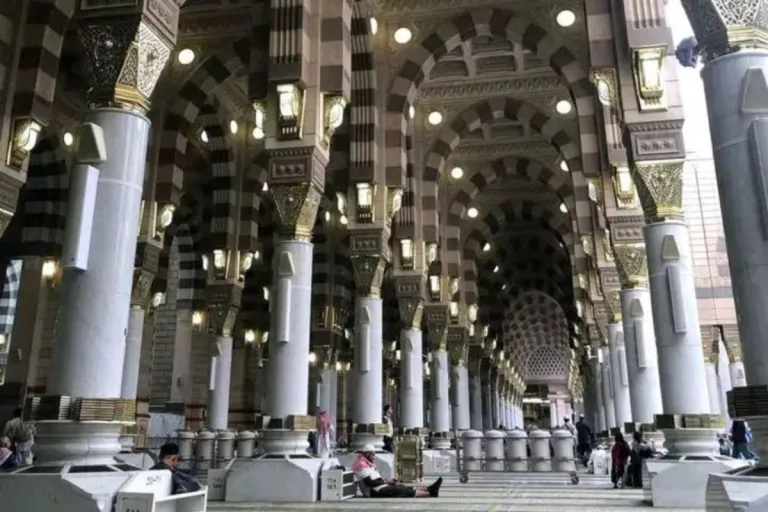
Image credit: tourntravelsnj | Canva Pro
During Ramadan 2026, mosques across Saudi Arabia will be operating with full staffing from start to finish. The Ministry of Islamic Affairs has instructed all imams, muezzins, and mosque employees to remain on duty throughout the holy month, with absences allowed only in cases of extreme necessity. Any absence must receive prior official approval, and a qualified substitute must be assigned in accordance with existing regulations. For worshippers and travellers, this means a more consistent and organised mosque experience, especially during peak periods like Taraweeh and the final ten nights.
Prayer times will follow the Umm Al Qura Calendar strictly
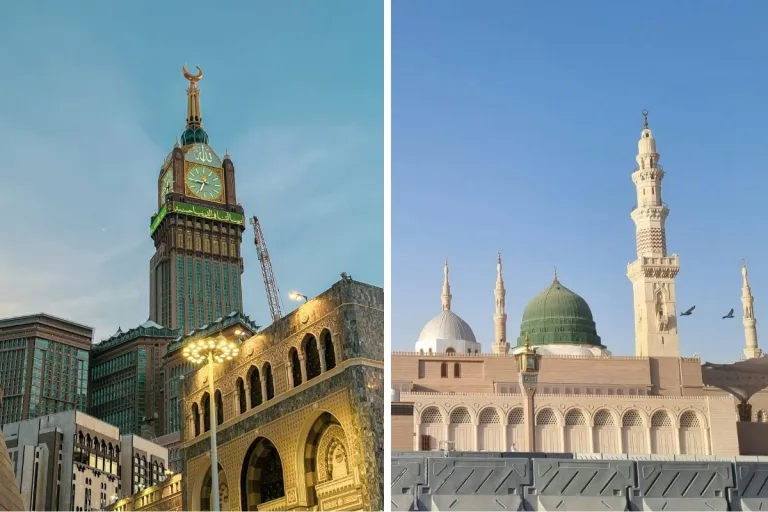
Image credit: Ghasiq Anjum | Pexels
Prayer schedules during Ramadan will be strictly aligned with the Umm Al Qura calendar, leaving no room for local adjustments. Mosques are required to call the Adhan for Isha exactly on time, followed by a mandatory 15-minute gap before the Iqamah for both Isha and Fajr prayers. This buffer is intended to help worshippers reach the mosque comfortably, particularly in busy cities. During the last ten nights of Ramadan, Tahajjud prayers must also end well before dawn to ensure worshippers still have adequate time to prepare for suhoor and Fajr, reducing physical strain during long nights of worship.
No live streaming of prayers inside mosques
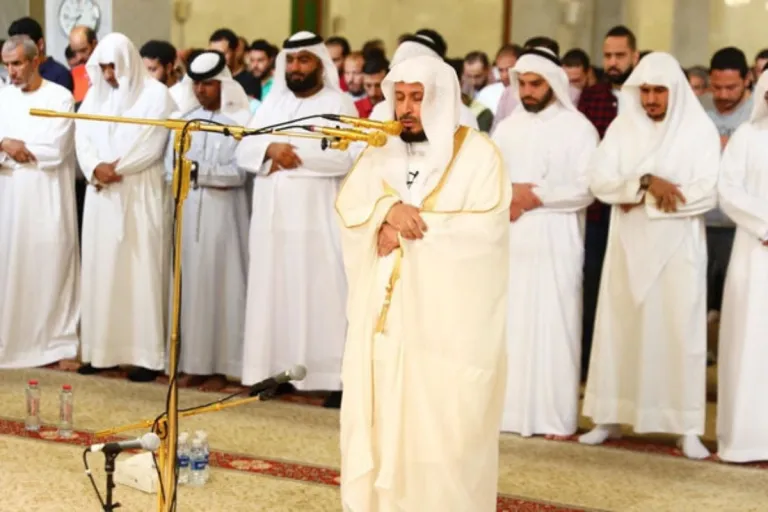
Image credit: Arab News | Official Website
While security remains a priority, Saudi authorities are drawing a firm line when it comes to privacy and the sanctity of worship. Surveillance cameras are allowed inside mosques strictly for security purposes, but they must not record worshippers or imams during prayers. At the same time, live broadcasting or transmitting prayers on any media platform is strictly prohibited. This includes Taraweeh and Qiyam prayers, to preserve dignity, prevent commercial misuse, and keep mosques focused solely on worship.
Begging around mosques is strictly prohibited
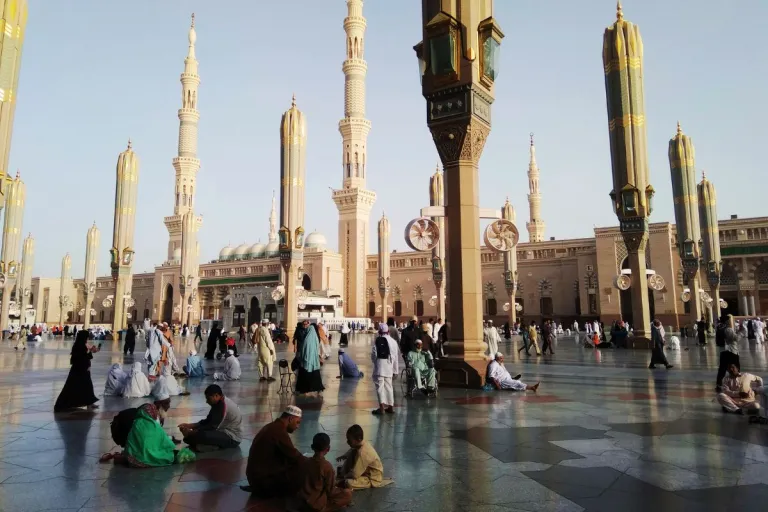
Image credit: Jati Sampurno | Pexels
Begging inside mosques or in their immediate surroundings is banned during Ramadan 2026. Mosque staff have been instructed to report any violations directly to security authorities. While charity remains a central part of the holy month, the ministry is emphasising that giving should take place through official and approved channels rather than through direct solicitation within mosque premises.
Tighter oversight on charity, zakat, and i’tikaf
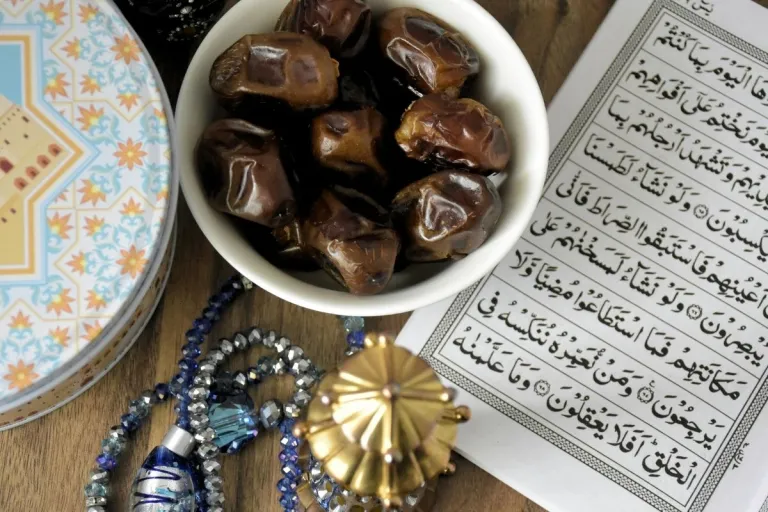
Image credit: Khats Cassim | Pexels
Charitable activities during Ramadan will now follow clearer and more structured guidelines. Zakat and other donations must be directed only to legitimate recipients through approved channels, reducing the risk of misuse. For those planning to perform I’tikaf, registration with the mosque is mandatory, and personal details will be verified. Non-Saudi residents must also obtain approval from their sponsor before registering, in line with residency regulations. These measures are designed to help mosques manage space, safety, and logistics more effectively during the busiest nights of Ramadan.
Iftar programmes are allowed, with conditions
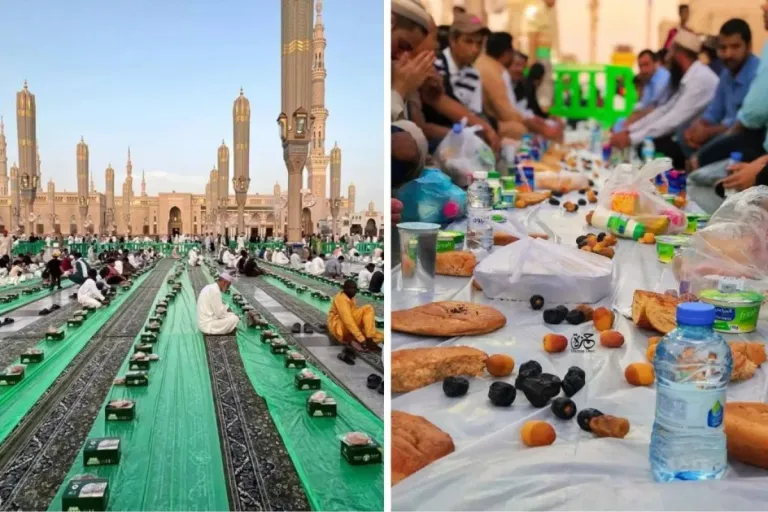
Image credit: @adventrow | Instagram
Communal iftar meals at mosques are still permitted, but under tighter controls. Meals may only be held in designated mosque courtyards and must be supervised by mosque staff at all times, with immediate cleanup required after each session. Notably, the collection of cash donations for iftar programmes is now banned. Instead, all iftar initiatives must be organised through official channels with transparent funding sources, ensuring accountability and preventing financial misuse.
Bottled water donations will be regulated

Image credit: Sergei Chuyko | Canva Pro
Even small acts like donating bottled water are now being carefully managed. Mosques are instructed to regulate water donations based on actual need, discouraging excessive stockpiling that could lead to waste. Large-scale storage is not encouraged, and mosques are advised to coordinate directly with suppliers to receive fresh supplies as needed. This approach reflects a broader push towards efficiency and responsible resource management during the holy month.
Ramadan travel tips: What Muslim travellers should know in Saudi Arabia
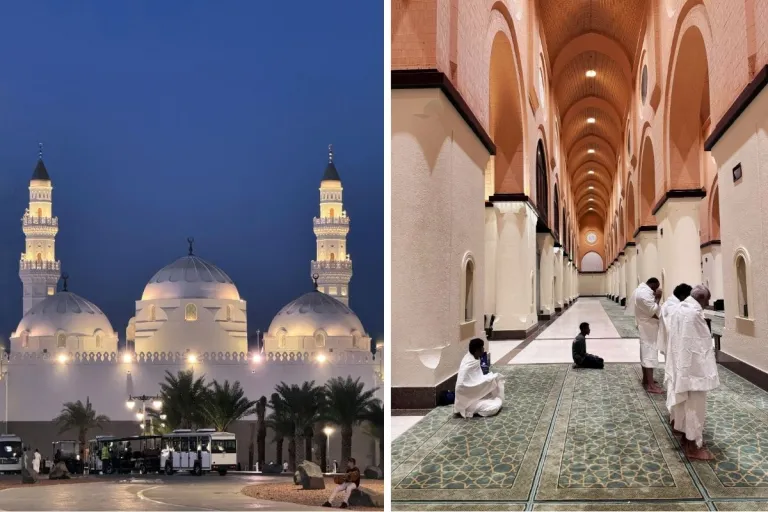
For Muslim travellers, these new guidelines are helpful when planning your Ramadan routine in Saudi Arabia. Expect prayer schedules to be highly punctual, so arriving at mosques early, especially for Isha, Taraweeh, and Fajr, is strongly recommended. If you’re hoping to perform I’tikaf, check registration requirements as soon as you arrive, particularly if you’re a non-Saudi resident, as sponsor approval may be needed.
Also read: Must-Visit Ramadan Bazaars Around the World
Ramadan in Saudi Arabia remains a deeply spiritual and unforgettable experience, especially for travellers visiting Makkah and Madinah. With these updated mosque rules for 2026, worship during the holy month is set to become more organised, dignified, and worship-focused. By understanding the guidelines ahead of time, Muslim travellers can better plan their days and nights, and focus on what truly matters during Ramadan.
Published at
About Author
Aimi Zulkiflee
Aimi is the ultimate daydreamer with a flair for adventure and an avid novel reader with a soft spot for all things fairytale. She is known for her friendly demeanor, albeit with a bit of a short temper. Forever striving to live her cutesy yet demure life.
Subscribe our Newsletter
Get our weekly tips and travel news!
Recommended Articles
10 Cheap Halal Food and Restaurants in Orchard Road Useful Tips for Travelling During Ramadan Do you or anyone you know face difficulties whilst travelling during Ramadan? We’ve got you covered!
10 Halal Restaurants in Bangkok to Satisfy Your Thai Cravings From Korean-style BBQ and Punjabi curries to award-winning shrimp Pad Thai, take your pick from these amazing Halal restaurants in Bangkok.
Al Meroz: A Muslim-Friendly Hotel in Bangkok, Thailand Great news for Muslim travellers: Thailand’s first halal hotel is now open to the public!
17 Muslim-Friendly Travel Destinations to Visit in 2017 Check out these 17 Muslim-friendly travel destinations for your next holiday. Finding halal food will not be a problem anymore!
Latest Articles
A Complete Manila Travel Guide for Muslim Travelers: Hotels, Halal Eats, and Mosques Find halal eats, prayer spaces, and where to go with this guide.
Muslim-Friendly Activities in Macao You Can Enjoy with Your Family Looking for things to do in Macao besides casinos? Discover 10 Muslim-friendly and family-friendly activities for your next trip
Muslim-Friendly Travel in Ibiza: Where to Go & Where to Pray Explore Ibiza, Spain, beyond nightlife with beautiful beaches, historic landmarks, charming villages, and Muslim-friendly prayer spaces
10 Popular Nasi Kandar Restaurants in Kuala Lumpur, Malaysia That You Must Try Looking for nasi kandar in Kuala Lumpur? Discover 10 popular restaurants serving authentic Malaysian rice, curry, meat, seafood, and more
10 Best Halal Indonesian Restaurants in Melbourne, Australia You Must Try Explore 10 best halal Indonesian restaurants in Melbourne, Australia, for authentic Indonesian dishes, from rendang and bakso to nasi and bakmi