

These popular Instagram stars have pushed the boundaries of Muslim travel with their exotic destination choices.
How Ramadan Transforms Cities Around the World: A Traveller’s Perspective
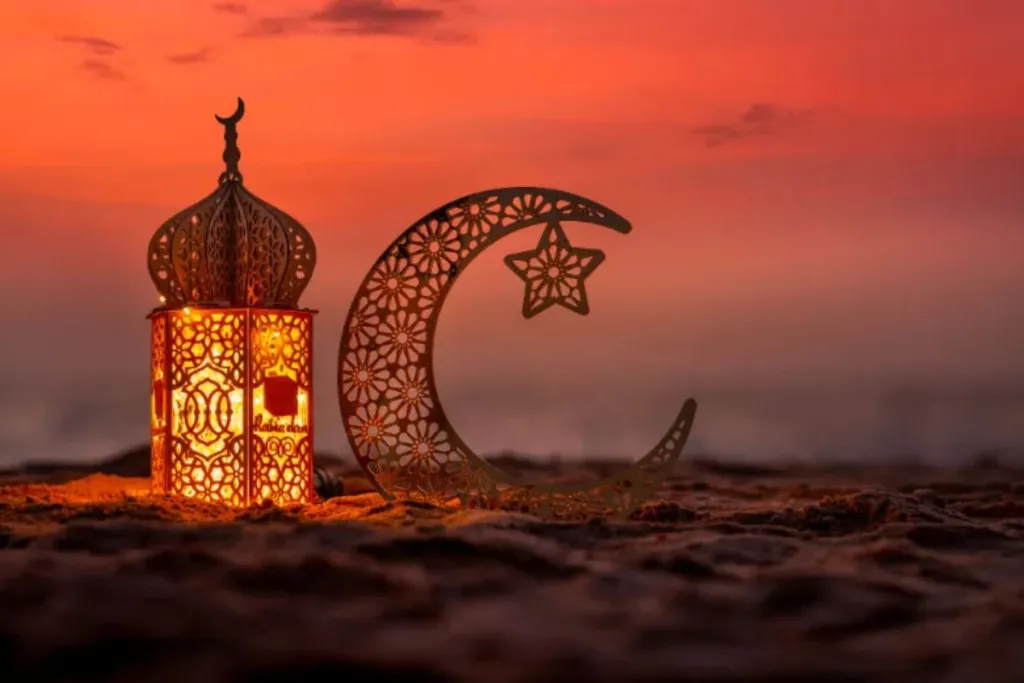
I don't think I have ever spent Ramadan in a single location, and honestly, I am glad I haven’t. Trailing across the globe, I followed Ramadan from one city to another, witnessing each of them embrace the spirit of this holy month in their own way. While the transformation remained glaringly distinct in every city, what tied them together was the shared culture of fasting, prayer, and community. From the quiet reverence of Istanbul to Cairo’s exuberant nights, Ramadan transformed streets, schedules, food, and public life in a way no regular travel season ever could.
During my time there, I was not just a Muslim traveller observing these changes — I was living in them. Ramadan offered me an entry point into different cultures and communities, showing me how cities breathe and take on a different shape during this sacred month. Allow me to walk you through my unforgettable Ramadan experiences in a few of my favourite cities.
Istanbul, Turkey

Image credit: Ayhan ÇAKAR | Flickr
For me, Istanbul was a calm experience. The city takes on a unique rhythm during Ramadan, shedding its usual sense of urgency. Daytime carries a quiet solitude that lingers until iftar. When the adhan echoes across the Bosphorus, Istanbul unites in breaking its fast with dates and water.
The city glows with lights from mosques, shopping centres, and lively festivals, fully enveloping itself in a sacred atmosphere. Restaurants prepare special iftar menus each day, and after sunset, the energy of Taraweeh prayers can be felt across mosques throughout the city. Municipal authorities also host various Ramadan events, including poetry nights, seminars, Sufi music, and more. While this holy month is an opportunity for Muslim travellers to learn, explore, and enjoy authentic Turkish cuisine, one quickly realises that Ramadan here is about sharing a spirit that goes far beyond food.
Also read: 10 Things to Do in Istanbul for Muslim Travellers
Kuala Lumpur, Malaysia
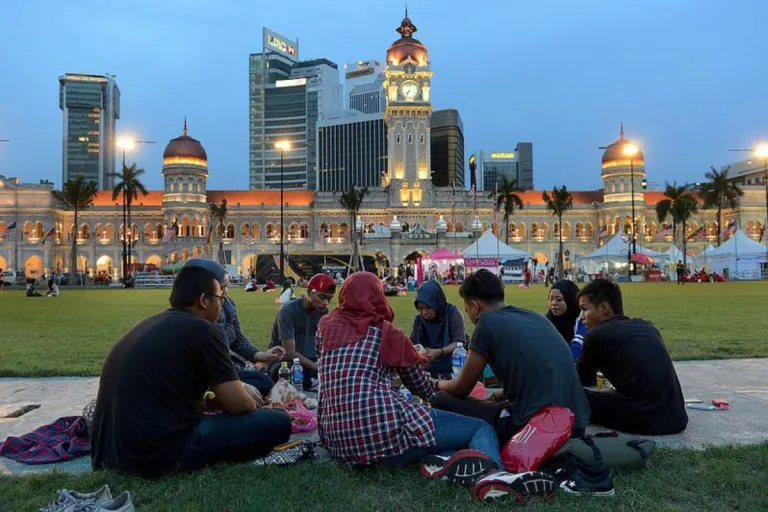
Image credit: Foto Penerangan | Flickr
Kuala Lumpur transforms radically at night. Streets come alive with bustling bazaars, and hundreds of food stalls appear almost overnight. Ramadan in KL is not quiet or contemplative like Istanbul; it is loud, colourful, and celebratory. Office workers queue for takeaway iftar meals, families gather around food stalls, and neighbourhoods remain illuminated late into the night.
Ramadan in KL Muslim Traveller Tips
Visit smaller neighbourhood bazaars for a more authentic experience.
After 5pm, expect crowds on public transport.
Plan sightseeing earlier in the day and reserve evenings for food exploration.
KL showed me that Ramadan can be celebratory without losing its spiritual grounding.
Also read: Mosques in Kuala Lumpur: Here’s Where to Pray
Jeddah, Saudi Arabia

Image credit: Visit Saudi Official Website
Jeddah responds to Ramadan in a deeply spiritual way. Streets quieten during the day, shops close early, and malls extend their hours into the night. The city grows introspective, with worship taking precedence over social life. Streets and malls are adorned with lanterns and crescents, filling the city with a festive yet spiritual ambience. Al-Balad, Old Jeddah, becomes the heart of Ramadan, with traditional kiosks selling Ramadan specials alongside handcrafted items.
At night, mosques shine. Taraweeh prayers set the rhythm of the city. Ramadan in Jeddah is intimate — never performative.
What to Expect as a Muslim Traveller in Jeddah
Fewer daytime activities
Evening meals after dinner
The emphasis on prayer and spirituality
Halalzilla tip: Treat Jeddah as a place for rest and reflection. Ramadan here rewards stillness rather than movement.
Karachi, Pakistan
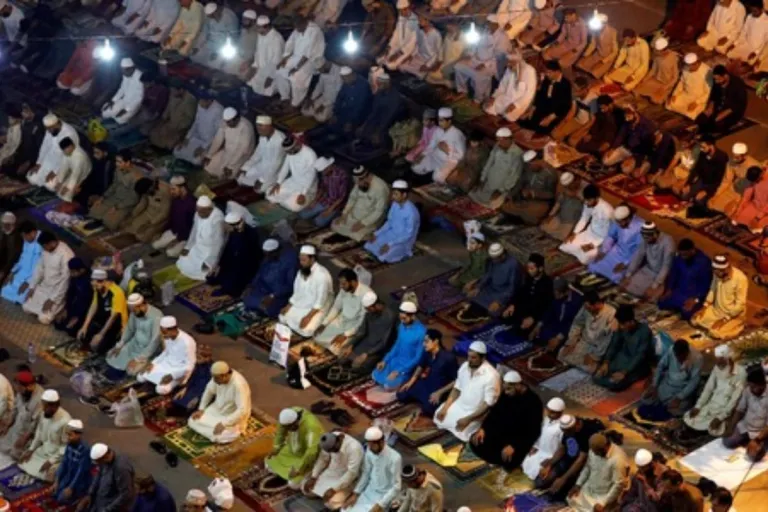
Image credit: Dawn Official Website
Karachi does not slow down — it negotiates. As a traveller experiencing Ramadan here, I quickly realised that Karachi does not transform aesthetically; it transforms emotionally.
Traffic remains relentless, markets stay crowded, and the city pulses with energy. Unlike cities that soften their pace, Karachi keeps moving. Yet, at iftar, everything pauses. Roads briefly clear, and food stalls appear almost instantly, selling pakoras, samosas, fruit chaat, and dates.
Ramadan folds Karachi into a state where faith takes centre stage amid chaos. Karachi reminded me that faith does not require order — it survives, and often thrives, within disorder.
Useful Karachi Ramadan Travel Advice
Plan iftar locations carefully; distance is your biggest challenge.
Anticipate traffic changes at sunset.
Visit food hubs such as Burns Road to fully experience the iftar culture.
Marrakech, Morocco
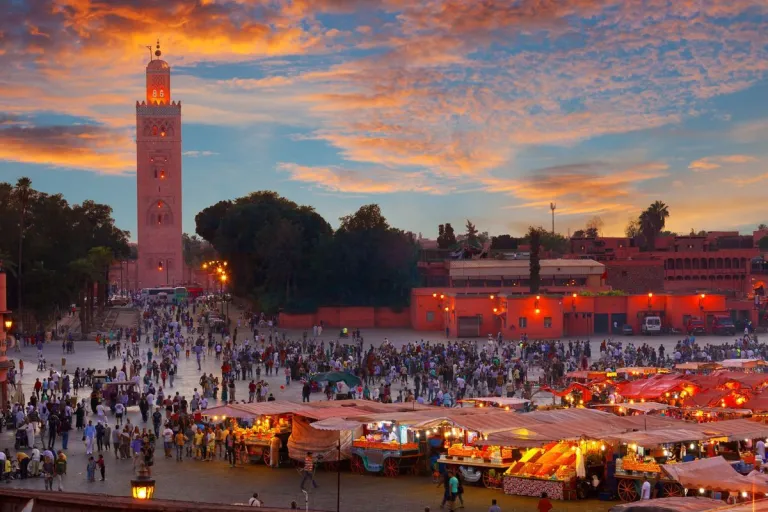
Image credit: Nicki | Pinterest
Marrakech turns Ramadan into an inward experience. As the holy month approaches, the city retreats — pulling Ramadan behind doors, into courtyards, kitchens, and family spaces. As a traveller, this shift was striking. During the day, the city resists urgency; souks remain open, but conversations soften and foot traffic thins. Then, at the call to prayer, the city transforms once again. Unlike places where iftar spills into the streets, Marrakech keeps this moment private.
Here is a list of my favourite iftar indulgences in Marrakech:
Harira soup
Dates and milk
Boiled eggs
Chebakia (sesame pastries)
Also read: Ramadan in Morocco: Traditions, Food, and Spirituality You Must Experience
Cairo, Egypt

Image credit: Pinterest
Ramadan is impossible to miss for a Muslim traveller in Cairo. The city expands during the holy month, with balconies draped in lanterns and alleyways filled with food and people. By day, Cairo slows but never fully stops. Government offices shorten hours, many cafes close, and fasting under the heat feels heavier. As iftar approaches, the city turns electric. Traffic thickens, food vendors emerge on every corner, and the air fills with the scent of frying oil and sugar syrup — until the adhan brings everything to a halt.
Ramadan Nights in Cairo
Walk through neighbourhoods post-iftar to experience street culture.
Try classic desserts such as qatayef and konafa.
Embrace local hospitality — it is an experience in itself.
Cairo showed me that discipline and joy are not opposites; they go hand in hand with each other.
What Ramadan Travelling Taught Me About Cities
Ramadan redefines time rather than space.
Cities are not just religious; they are cultural.
Muslim travellers feel a sense of belonging, even while constantly moving.
Ramadan does not standardise cities — it reveals their character.
Why Muslim Travellers Need to Experience Ramadan Abroad
Ramadan in a foreign country is not alienating; it is grounding. Mosques become anchors, iftar becomes community, and cities reveal a tenderness that only emerges during this sacred month. It reminds you that religion dissolves boundaries rather than builds them. Ramadan does not just transform cities; it transforms the traveller moving through them — one sunset at a time.
Published at
About Author
Azmi Anees
Azmi is a curious globetrotter with an inkling for the most memorable experiences. He enjoys good food, deep cultural exchanges, and sharing his travel stories with the world.
Subscribe our Newsletter
Get our weekly tips and travel news!
Recommended Articles
10 Muslim Travel Instagram Accounts to Follow 10 Influential Muslim Women to Follow on Instagram Add some inspiration to your Instagram feed by following these influential Muslim women!
Top 10 Halal Food Bloggers to Follow in 2019 Whether you’re from or travelling to Singapore, Malaysia or Indonesia, you must check out these food blogs for honest reviews and insights on some of the best food joints.
8 Muslim Youtubers to Follow in 2019 We’ve rounded up a list of creative Muslim Youtubers who have used the platform to educate, entertain and inspire viewers from around the globe.
Muslim Football Superstar Mohamed Salah is One of TIME’s 100 Most Influential People Liverpool’s striker Mo Salah is an honoree on TIME’s 100 Most Influential People 2019 list, amidst other well-known politicians, artists and world leaders.
Latest Articles
10 Best Halal Restaurants in Macao for Muslim Travellers Explore 10 Best Halal Restaurants in Macao for a halal food hunt in Macao
Best Resorts in Sabah, Malaysia With Amazing Nature Views Discover the best resorts in Sabah, Malaysia, from beachfront escapes and island stays to rainforest retreats with stunning nature views
10 Best Padang Restaurants in Jakarta for Authentic Indonesian Food Discover the 10 best Padang restaurants in Jakarta for authentic Indonesian food, from legendary rendang and Ayam Pop to hidden Minang favourites
Bangkok Declares State of Emergency Due to Flooding: Essential Travel Guidance for Muslim Travellers Stay safe, everyone!
8 Day Trips From Tokyo for Muslim Travellers to Elevate Your Japan Itinerary It's your sign to travel outside Tokyo!