

Muslim foodies, make New Zealand your next travel destination now!
US Could Require Travellers to Share Five Years of Social Media History to Enter
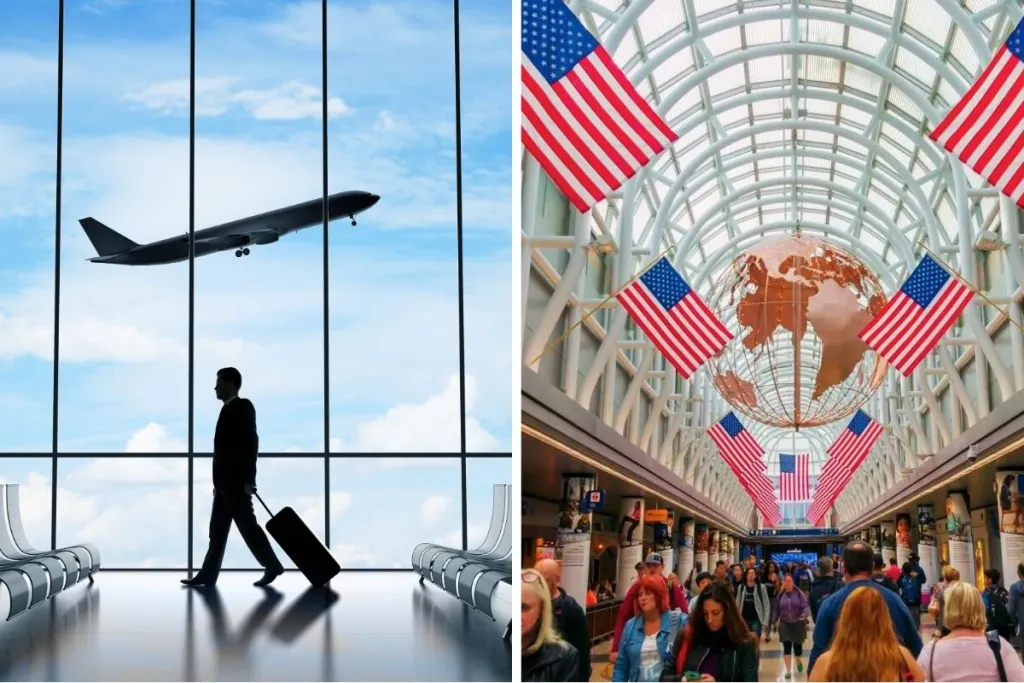
If you’ve been dreaming of exploring New York, Los Angeles, or Chicago, there’s a new development you should be aware of before booking your flights. The United States is proposing a major update to its entry requirements for travellers from visa-waiver countries, and it could affect Muslim travellers planning a short-term visit for tourism, business, or even halal-friendly adventures.
What’s changing?

Image credit: IVC Services | Official Website
Currently, travellers from about 42 countries, including the UK, Germany, Australia, Japan, Qatar, and South Korea, can enter the US visa-free for up to 90 days using the Electronic System for Travel Authorisation (ESTA). The application process is simple and online, costing just $40 (S$52).
But under a new proposal by the US Department of Homeland Security (DHS) and Customs and Border Protection (CBP), ESTA applicants may soon have to provide much more personal information, including:
Social media history from the last 5 years (Instagram, Facebook, Twitter, TikTok usernames/handles)
Email addresses used over the past 10 years
Phone numbers used over the past 5 years
Detailed family information, such as relatives’ places of birth and phone numbers
Metadata from photos uploaded online
Biometric data like fingerprints, iris scans, and even DNA (when feasible)
This is a significant change from the current ESTA requirements, which only ask for basic personal information like parents’ names, a current email address, and past criminal records.
Why is the US doing this

Image credit: Elena Photo | Canva Pro
According to the US government, the goal is to increase national security and make sure the “wrong people” don’t enter the country. The plan cites a January executive order by former President Donald Trump, focused on preventing potential threats from foreign visitors.
CBP stresses that this is not a final rule yet; it’s the first step in a public discussion, and travellers, including Muslim visitors, have 60 days to submit feedback before any new policy is finalised.
What this means for Muslim travellers

Image credit: FatCamera | Canva Pro
With this additional data, processing times for ESTA approvals could become longer than the usual instant or next-day turnaround.
Privacy is another important consideration. To comply with the screening, you might need to set some social media profiles to public temporarily. It’s wise to be mindful of what you share online, especially if you document halal meals, mosque visits, or faith-related travel experiences. Finally, major events like the 2026 FIFA World Cup and the 2028 Los Angeles Olympics could increase tourist demand, so early planning is more important than ever.
What do travel experts say
Digital rights advocates, such as the Electronic Frontier Foundation, have raised concerns that requiring social media histories could impact civil liberties and online privacy. Immigration lawyers also warn that ESTA processing times may increase, which could be inconvenient for last-minute travellers.
For Muslim travellers, this may particularly affect how you manage social media accounts, especially if you share content about halal meals, mosque visits, or faith-based experiences. Being aware of these changes now can help you plan responsibly and avoid potential complications.
Published at
About Author
Aimi Zulkiflee
Aimi is the ultimate daydreamer with a flair for adventure and an avid novel reader with a soft spot for all things fairytale. She is known for her friendly demeanor, albeit with a bit of a short temper. Forever striving to live her cutesy yet demure life.
Subscribe our Newsletter
Get our weekly tips and travel news!
Recommended Articles
Tourism New Zealand Adds 289 Restaurants & Cafes to Its Halal Food Guide! Japan, Croatia and New Zealand to Introduce Tourist Taxes in 2019 Due to threats posed by overtourism, some countries have resorted to implementing tourist taxes to curb the influx of visitors.
Sakura Season: Japan’s Cherry Blossoms Bloom Early in 2019 If you want to witness cherry blossom season in Japan this year, you may need to advance your travel plans.
Bali Prepares to Introduce Tourist Tax to Curb Overtourism Visitors to Bali might have to pay tourist tax sooner than later.
Top Things to Do in Singapore This Weekend: Art After Dark, La Kopi and More TGIF! Weekends are made for fun and relaxing moments with your loved ones. Read to discover all the exciting happenings here in Singapore.
Latest Articles
10 Halal Ramen in Osaka Every Muslim Travellers Have to Try At Least Once Don't miss out on Japan’s iconic comfort food!
Experience Autumn Beauty: Visit These 10 Stunning Spots in Kyoto Experience Kyoto at its most gorgeous.
12 Free Attractions in Osaka, Japan to Make Your Trip More Budget-Friendly Save money on your Japan vacation!
10 Great Places to Shop for Souvenirs in Hong Kong: From Budget-Friendly Markets to Unique Keepsakes Bring home the best of Hong Kong!
8-Day Tokyo and Osaka Itinerary: From the Bustling Capital to Japan’s Kitchen Make your dream Japan trip come true!