

Don't miss out on Japan’s iconic comfort food!
Middle East Conflict 2026: What Travellers Need to Know
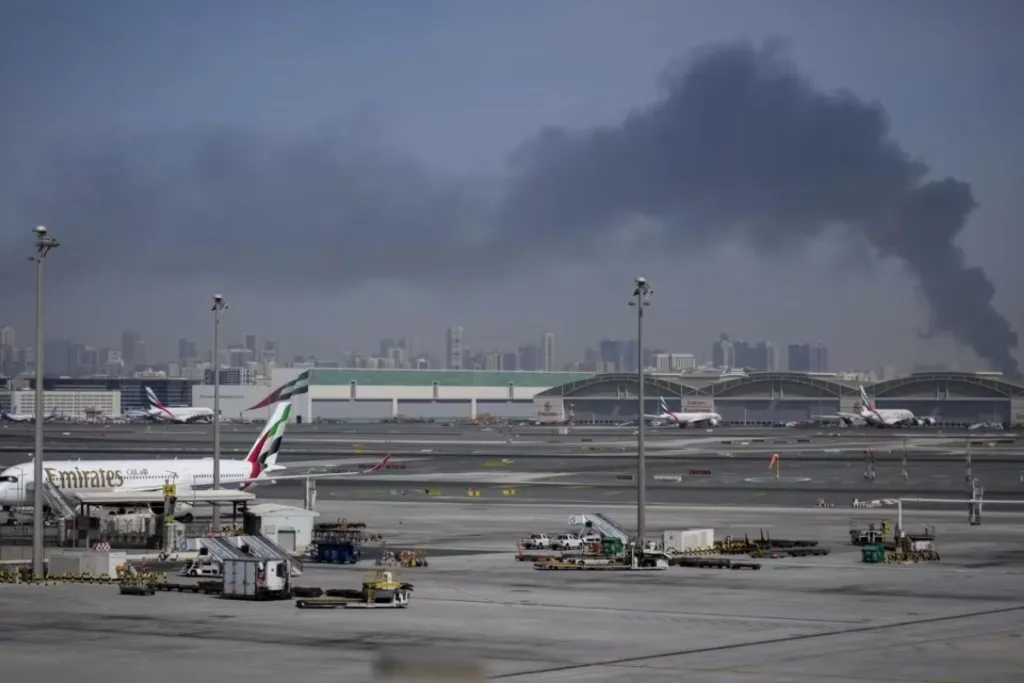
The Middle East is facing one of its most volatile chapters in recent history, and if you’re a Muslim traveller who frequently transits through the region, this is something you need to pay close attention to.
In late February 2026, a large-scale joint military operation by the United States and Israel targeted Iranian military infrastructure. What followed has escalated into an open regional conflict involving Iran, Israel, the US, and several Gulf states. Here’s what’s happening, and what it means for travellers.
What’s happening in Iran?
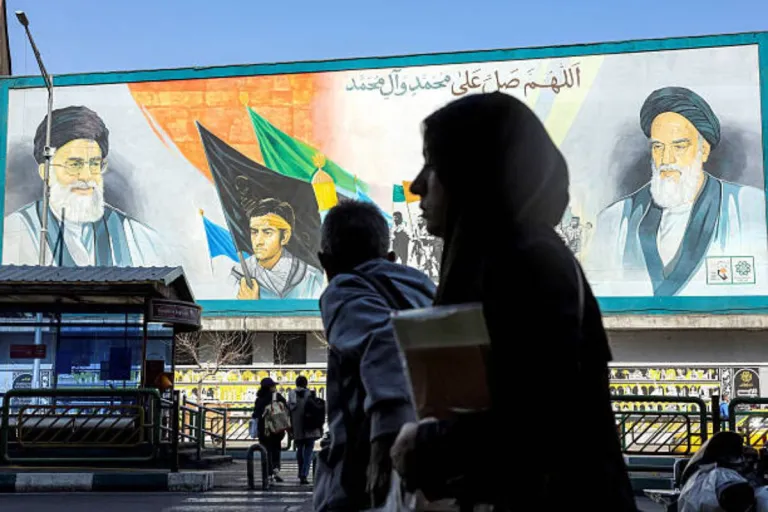
Image credit: Getty Images
Over the weekend (late February 2026), US–Israeli forces carried out coordinated strikes on Iranian military sites, ballistic missile facilities, naval assets, and leadership compounds.
Among those reported killed was Iran’s Supreme Leader, Ali Khamenei, along with other senior officials. Reports suggest dozens of high-ranking leaders were affected.
Airstrikes have continued in Tehran and other areas. Preliminary figures indicate over 200 fatalities in Iran, including civilian casualties in populated zones.
Iran has declared national mourning and vowed retaliation. Surviving leaders are projecting defiance while navigating what appears to be a major succession crisis. The political vacuum following the reported death of Khamenei adds another layer of uncertainty to an already combustible situation.
Iran’s retaliation: Missiles, drones & regional escalation
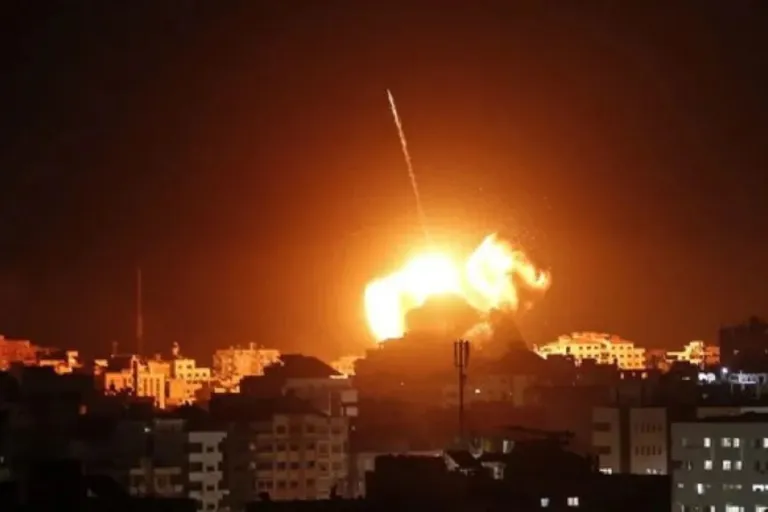
Image credit: Getty Images
Iran responded with large-scale ballistic missile and drone attacks targeting Israel directly. Areas in Jerusalem and central Israel were reportedly hit, causing civilian deaths and structural damage.
The retaliation extended beyond Israel. Iranian strikes targeted US-linked military assets and allied infrastructure in the UAE, Qatar, Bahrain and Kuwait. Some impacts affected ports, airports and nearby civilian zones.
The Iran-backed group Hezbollah has also joined the conflict, launching rockets from Lebanon into Israel. Israel has since carried out counterstrikes in Beirut and southern Lebanon.
This is now a regional conflict with multiple fronts.
Dubai & The UAE: A major travel hub disrupted
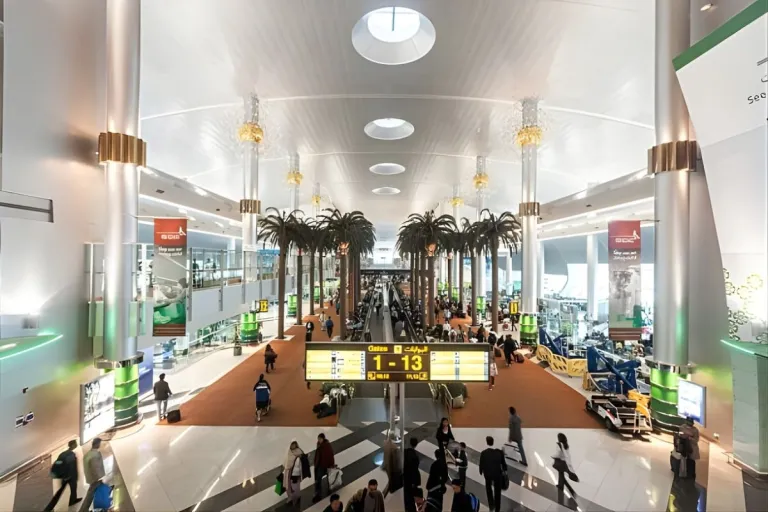
Image credit: Getty Images
For many Malaysian and Southeast Asian travellers, the UAE, especially Dubai, is a key transit hub to Europe, North America and beyond. That’s what makes this particularly concerning.
Missiles and drones targeting US-linked facilities in the UAE were intercepted in several cases, but debris and secondary impacts caused casualties. At least three deaths have been reported in the UAE, with dozens injured.
Explosions were heard across Dubai. Fires were reported in port areas like Jebel Ali. Damage and debris affected Dubai International Airport, forcing flight suspensions. Schools shifted to remote learning. Markets closed. Emergency measures were activated.
Dubai, often seen as one of the region’s safest and most stable transit hubs, is now experiencing direct fallout from the conflict.
Thousands of flights cancelled across the Middle East
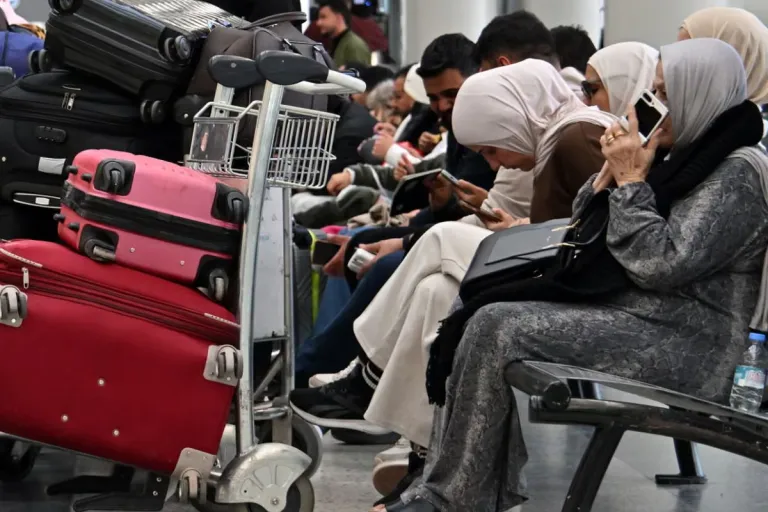
Image credit: Wael Hamzeh via EPA
On 1 Mar 2026 alone, more than 3,400 flights were cancelled across seven major Middle Eastern airports, including Dubai, Abu Dhabi, Doha, Sharjah, Kuwait and Bahrain. Globally, over 19,000 flights have been delayed due to cascading effects.
Major airlines have suspended operations:
Emirates has paused flights to and from Dubai.
Etihad Airways suspended operations in Abu Dhabi.
Qatar Airways is operating under severe restrictions in Doha.
International carriers, including Lufthansa, British Airways, Air Canada, Virgin Atlantic and Air India, have cancelled or rerouted flights to affected destinations.
Airspace over Iran, Iraq, Israel, Jordan and parts of the Gulf remains closed or heavily restricted. Many Europe–Asia routes are now taking longer detours, increasing flight times and costs. Hundreds of thousands of travellers worldwide are stranded.
What this means for Muslim travellers & Umrah plans
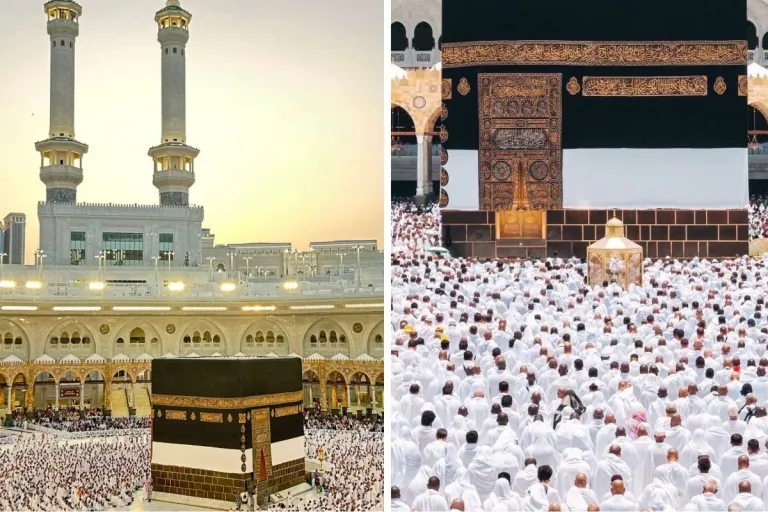
Image credit: @theholymosques | Official X
Many Malaysians and Southeast Asians transit via Dubai or Doha for Umrah and onward travel to Saudi Arabia. With Gulf airspace disrupted, flight schedules are highly unstable. While Saudi Arabia’s operations continue, routing challenges are causing delays and uncertainty.
Several governments have issued “Do Not Travel” advisories for Iran and Israel, and heightened warnings for parts of the Gulf.
If you are planning Umrah, business travel, or leisure trips through the region:
• Check your airline directly for updates.
• Review travel insurance coverage immediately.
• Prepare for multi-day delays if already travelling.
• Avoid non-essential travel to directly affected areas.
Flexibility right now isn’t optional; it’s essential.
Oil prices, the Strait of Hormuz & Global Ripple Effects
The Strait of Hormuz, one of the world’s most important oil chokepoints, is under heightened risk. Disruptions to tanker traffic have pushed oil prices upward.
Higher oil prices mean higher aviation fuel costs. That can lead to increased airfares globally, even for routes far from the Middle East.
US President Donald Trump has indicated operations could continue for weeks and suggested regime change in Iran as a possible outcome. That signals this crisis may not be resolved quickly.
Final Thoughts: Travel in Uncertain Times
The Middle East has always been a crossroads of faith, trade, pilgrimage and culture. For Muslim travellers, it carries deep spiritual meaning beyond tourism.
Right now, the region is in active conflict. Airports are closed. Flights are cancelled. Civilian areas have been affected. The situation is evolving hour by hour.
If you’re travelling soon, stay informed, stay flexible, and prioritise safety over schedules.
Published at
About Author
Aimi Zulkiflee
Aimi is the ultimate daydreamer with a flair for adventure and an avid novel reader with a soft spot for all things fairytale. She is known for her friendly demeanor, albeit with a bit of a short temper. Forever striving to live her cutesy yet demure life.
Subscribe our Newsletter
Get our weekly tips and travel news!
Recommended Articles
Latest Articles
10 Halal Ramen in Osaka Every Muslim Travellers Have to Try At Least Once Experience Autumn Beauty: Visit These 10 Stunning Spots in Kyoto Experience Kyoto at its most gorgeous.
12 Free Attractions in Osaka, Japan to Make Your Trip More Budget-Friendly Save money on your Japan vacation!
10 Great Places to Shop for Souvenirs in Hong Kong: From Budget-Friendly Markets to Unique Keepsakes Bring home the best of Hong Kong!
8-Day Tokyo and Osaka Itinerary: From the Bustling Capital to Japan’s Kitchen Make your dream Japan trip come true!