

What else can you do in the Maldives aside from soaking in the ambience of your overwater villa?
7D6N Muslim-Friendly Japan Itinerary: Free Attractions, Halal Food, and Prayer Rooms
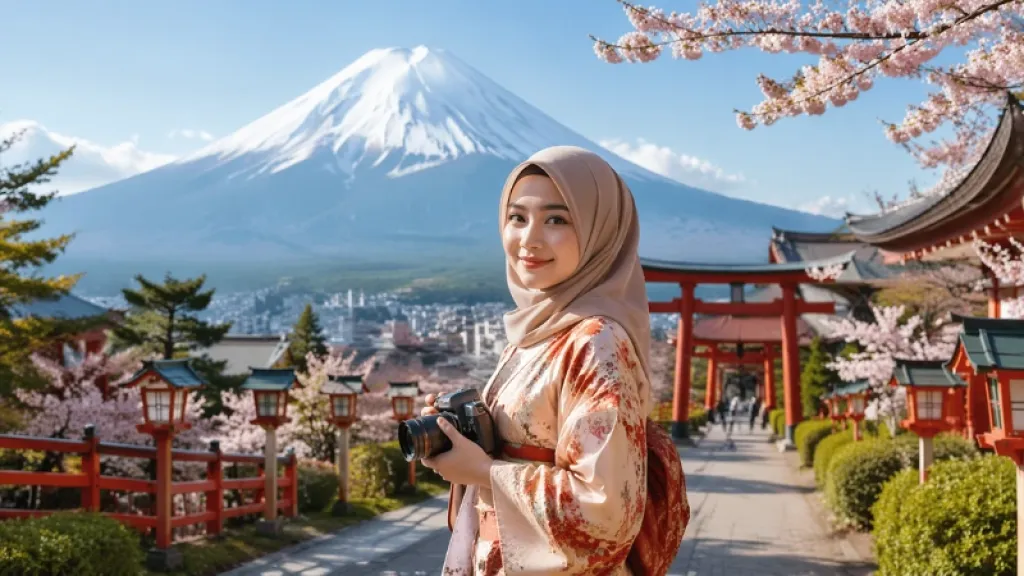
For Muslim travelers planning their very first trip to Japan, have you already imagined where you’ll go this year? Or maybe you’re still unsure about the route, what food is safe to eat, and where you can comfortably perform your prayers? Take a deep breath—you don’t have to figure it all out on your own.
Also read: Jepun Untuk Rakyat Malaysia: Panduan Pertama ke Tokyo, Nikko & Gunung Fuji
In this guide, we’ll walk you through a carefully crafted itinerary designed especially for Muslim travelers who want to experience the beauty of Japan without worry. Over the course of one full week, you’ll explore some of the best destinations across the country, with a strong focus on Muslim-friendly facilities—from mosques and prayer rooms to delicious halal food options. By following this itinerary, your first trip to Japan will not only be memorable, but also peaceful and full of blessings. Ready to begin? Let’s dive in together!
✈️ Arrival at Kansai International Airport (KIX)
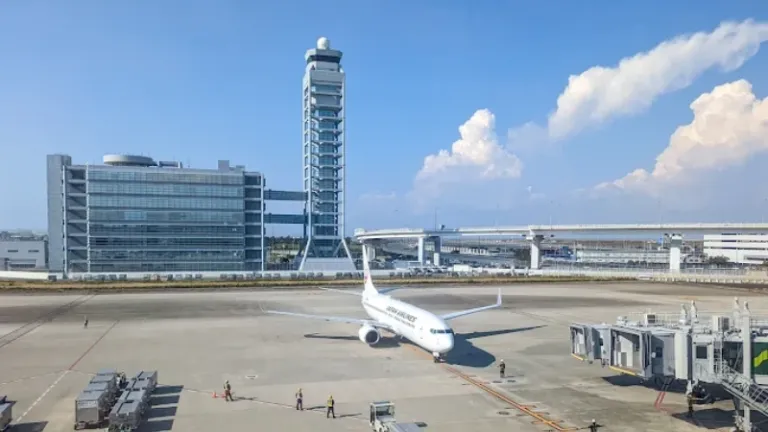 Your journey begins in Osaka, the vibrant gateway to western Japan. To make your trip more efficient in both time and cost, it’s highly recommended to land at Kansai International Airport, as it is much closer to Osaka compared to Tokyo.
🕋 Prayer Room at the Airport
If you happen to arrive during prayer time, there’s no need to worry. Kansai Airport provides three dedicated prayer rooms:
Terminal 1, 3rd Floor (3F): Located next to the Korean Air Lounge
International Departure Area: Available in both the north wing and south wing
All prayer rooms are separated by gender and equipped with clean ablution facilities, ensuring a comfortable space for worship.
🍜 Halal Restaurant at the Airport
After a long flight, you’ll probably want to recharge with a warm meal. Head over to the food court on the 2nd floor called Tasty Street. Here, you’ll find a halal udon stall named Kineya Mugimaru. Besides udon, they also offer rice bowl dishes, with prices ranging from around ¥1,000 to ¥1,500—affordable and satisfying.
🚄 Transportation: Kansai Airport ⮕ Osaka
To reach the city center, the most efficient option is the Nankai Airport Express. This train will take you directly to Namba Station in about 45 minutes, with an estimated cost of ¥1,000. Namba is one of the most strategic locations, as it’s close to popular attractions like Dotonbori and Shinsaibashi. Alternatively, you can take the JR Haruka Express if you plan to go directly to Tennoji or Shin-Osaka.
Also read: 10 Unspoken Rules Every Muslim Traveller Should Know Before Visiting Japan
🏨 Recommended Hotels in Osaka
When choosing accommodation, staying in the Namba or Shinsaibashi area is highly recommended. Not only are these areas well-connected by public transportation, but they are also known as a “halal food paradise” in Osaka.
Richmond Hotel Namba Daikokucho offers thoughtful services such as prayer mat rentals and Qibla direction guides. It’s also just a 15-minute walk from Osaka Istiqlal Mosque. (Starting from ~IDR 800,000)
Swissôtel Nankai Osaka is a luxurious five-star hotel where you can request Qibla direction and prayer tools at the reception. It’s conveniently located near popular halal restaurants like Panga and Ramen Honolu. (Starting from ~IDR 3.6 million)
Hotel Plaza Osaka is a great mid-range option, especially if you want to enjoy halal sukiyaki or shabu-shabu at the hotel’s own restaurant. (Starting from ~IDR 700,000)
Also read: 10 Best Muslim-Friendly Hotels in Osaka for a Worry-Free Vacation
🏯 DAY 1 – OSAKA
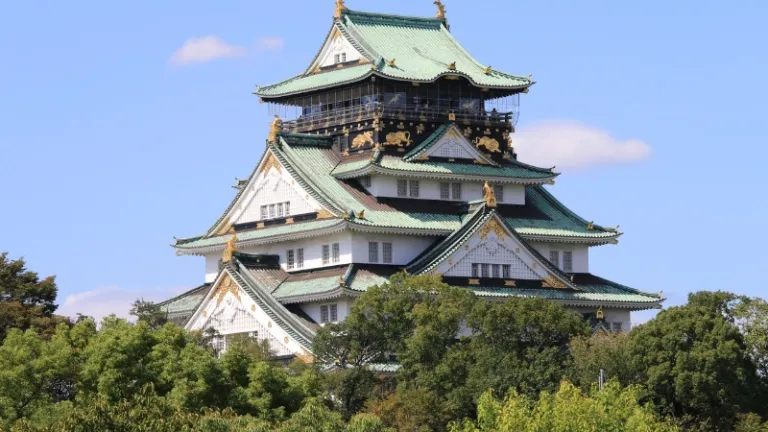 To keep your trip budget-friendly, you can start your adventure by visiting attractions that are completely free.
🌳 Learning History at Osaka Castle Park
Osaka Castle, or Osakajo, is an iconic landmark that you simply can’t miss. The surrounding park is beautifully maintained, offering a peaceful atmosphere rich in history. You can get there via the Osaka Loop Line and get off at Morinomiya Station or Osakajokoen Station. Best of all, walking around the park is completely free.
⛩️ Exploring the Unique Sumiyoshi Taisha Shrine
This is one of the oldest shrines in Japan, known for its pure architectural style that hasn’t been influenced by foreign designs. The atmosphere here is calm and surrounded by nature that feels timeless. To get there, take the Nankai Line from Namba and stop at Sumiyoshi Taisha Station.
🛍️ Exploring Dotonbori: The Heart of Osaka
Dotonbori is where the city truly comes alive. One of the must-do activities here is taking a photo in front of the iconic Glico Sign—the famous running man illuminated by colorful neon lights. It’s practically a rite of passage for visitors!
After snapping your photos, you can enjoy the city from above by riding the Dotonbori Ebisu Tower Ferris Wheel, uniquely built on top of the Don Quijote building. If you’re in the mood for something more traditional, take a stroll through Hozenji Yokocho Alley, visit the moss-covered Mizukae Fudoson statue, or catch a performance at the National Bunraku Theatre.
Also read: 10 Most Instagrammable Spots in Osaka For Muslim Traveller
🕋 Mosque & Prayer Room in Osaka
Osaka is quite Muslim-friendly, with several mosques and prayer spaces available:
Osaka Istiqlal Mosque, managed by the Indonesian Muslim community, is a large five-story mosque that can accommodate up to 1,500 worshippers (near Dobutsuen-Mae Station).
Ibaraki Osaka Mosque features a modern brown-and-gold design and is located near Osaka University (close to Toyokawa Station).
Namba CITY Mall has a prayer room on the 6th floor, complete with prayer mats and Qibla direction.
JR Osaka Station (South Gate Building) also provides a convenient prayer room for travelers.
🍴 Halal Food Recommendations in Osaka
You won’t have trouble finding delicious halal meals in Osaka:
Gyukotsu no Ou (Shin-Osaka Station) is famous for its rich and comforting beef bone broth ramen.
A5 Wagyu Yakiniku Osaka PANGA is the perfect place to try premium halal-certified A5 Wagyu beef, known for its incredibly tender and juicy texture.
Halal Ramen Naniwaya is certified by Japan Islamic Trust and even provides a prayer space for guests—truly a complete experience.
Also read: Halal Food in Osaka: 17 Places to Visit When You’re Hungry
⛩️ DAY 2 — KYOTO
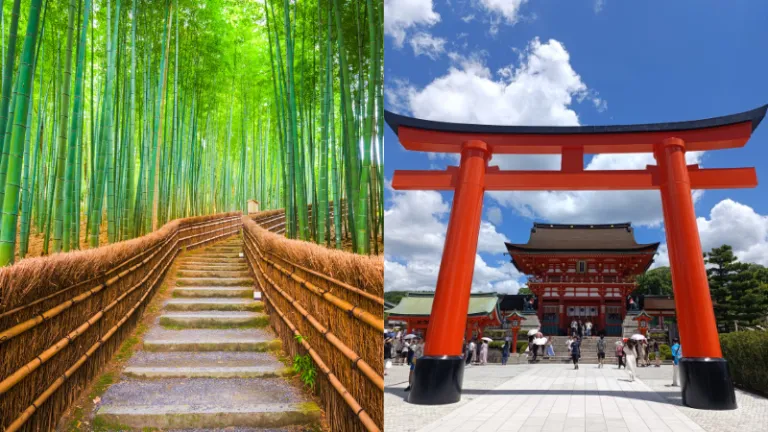 On the second day, it’s time to move to Kyoto. Did you know Osaka and Kyoto are neighbors? Traveling between them is as easy as hopping from one café to another.
Getting to Kyoto: Fast or Budget-Friendly?
If you have a Japan Rail Pass, take the Shinkansen from Shin-Osaka Station to Kyoto Station—it only takes about 15 minutes.
For a more budget-friendly option, you can take regular trains via JR, Hankyu, or Keihan lines, which take around 30–50 minutes.
Also read: Japan Now Offers Halal Bento Boxes on More Shinkansen Lines
🏮 Recommended Hotels in Kyoto: Experience a Ryokan
Kyoto is the perfect place to immerse yourself in traditional Japanese culture. For a truly authentic experience, consider staying in a ryokan. Imagine sleeping on tatami floors, sliding wooden doors, and soaking in a relaxing onsen.
Yuzuya Ryokan, located in the heart of Gion, offers a unique experience centered around the Japanese citrus fruit “yuzu,” along with a peaceful garden view.
Onyado Nono Kyotoshichijo combines traditional vibes with modern convenience, featuring a natural onsen and free ramen at night (be sure to check for vegetarian options).
Ryokan Kohro, located in the Nakagyo shopping district, offers spacious rooms and provides Yukata robes for guests.
Also read: 8 Muslim-Friendly Hotels in Kyoto, Where Comfort Meets Convenience
📸 FREE Attractions in Kyoto
Kyoto doesn’t have to be expensive—you can enjoy many iconic spots for free:
Fushimi Inari Taisha, famous for its thousands of red torii gates forming a tunnel-like pathway, is open 24 hours. For a magical experience, visit early in the morning.
Gion and Ninenzaka offer charming streets filled with traditional wooden houses—perfect for photos.
Arashiyama Bamboo Forest provides a calming and almost magical walking experience surrounded by towering bamboo.
🕋 Mosques & Prayer Rooms in Kyoto
Kyoto Mosque serves as a hub for the Muslim community and offers helpful halal information.
Kyoto Tower (3rd floor) provides a clean and accessible prayer room, especially convenient if you’re near Kyoto Station.
🍴 Halal Food in Kyoto
Honke Tankuma Honten is a Michelin-starred restaurant offering halal Kaiseki meals (reservation required).
Ayam-ya Karasuma is known for its rich and flavorful halal chicken ramen.
Kiyomizu Junsei Okabeya serves halal Kyoto specialties such as sukiyaki and yudofu.
Also read: 11 Best Halal Food Spots in Kyoto: A Muslim Traveller’s Culinary Guide
🗼 DAY 3 — TOKYO
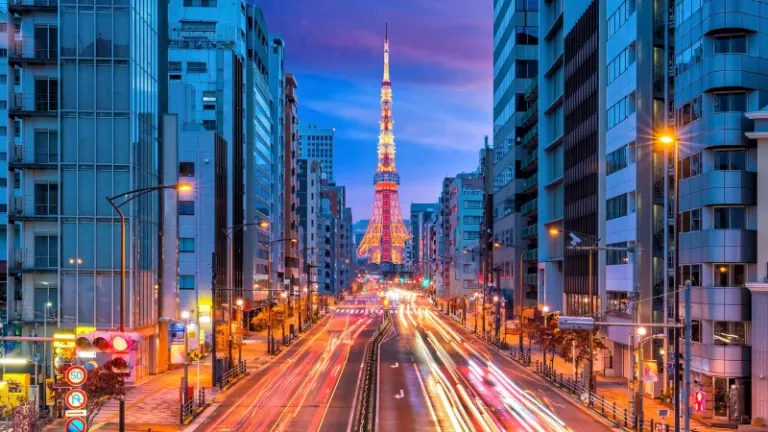 On the third day, you’ll head to Tokyo, the bustling capital city. The fastest way is by taking the Shinkansen Nozomi from Kyoto Station to Tokyo Station, which takes about 2 hours and 10 minutes.
🏨 Muslim-Friendly Hotels in Tokyo
Tsukiji Business Hotel Ban offers prayer tools and ingredient-labeled breakfast menus.
Richmond Hotel Premier Asakusa ensures halal-friendly cooking processes with separate utensils.
Agora Place Asakusa is a stylish and affordable option with free prayer tools and Qibla apps on iPads.
Also read: 8 Muslim-Friendly Hotels in Tokyo For Your Next Stay
🌆 FREE Attractions in Tokyo
Tokyo Tower and Skytree (outer area) for stunning photos
Shibuya Crossing and Hachiko Statue
Asakusa and Sensoji Temple
Odaiba with Gundam statue and Rainbow Bridge
Also read: 9 FREE Places to Visit in Tokyo That Are Perfect for Muslim Travellers
🕋 Mosque & Prayer Room in Tokyo
Tokyo offers plenty of prayer facilities:
Tokyo Camii is considered the most beautiful mosque in Japan, with stunning Turkish architecture.
Masjid Assalam Okachimachi is conveniently located near Ueno.
Prayer rooms are also available in malls like Tokyo Skytree, Shibuya PARCO, and SEIBU Shibuya.
🍜 Halal Food in Tokyo
Godaime Wagyu Tokyo (Shibuya) serves premium halal Wagyu steak and burgers.
Gyumon (Shibuya) offers a cozy yakiniku experience prepared by Muslim chefs.
Naritaya (Asakusa) provides affordable ramen using chicken instead of pork.
Also read: Halal and Muslim-Friendly Restaurants in Shinjuku for Your Next Trip
🗻 DAY 4 — MT. FUJI PHOTO HUNT (DAY TRIP)
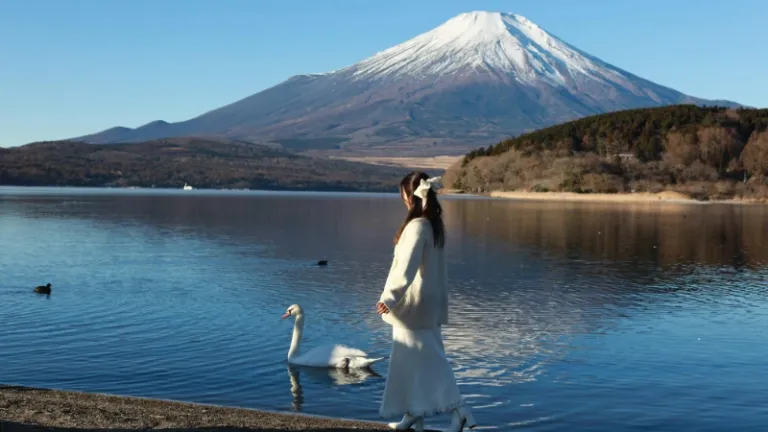 Who wouldn’t want a profile picture with Mount Fuji in the background? On this day, you’ll take a one-day trip from Tokyo to find the best photo spots.
You can travel independently by taking the JR Chuo Line to Otsuki Station, then transfer to the Fujikyu Railway. The journey takes around 2–2.5 hours, but the scenic views along the way make it worthwhile.
Top photo spots include Lake Yamanaka, Arakurayama Sengen Park (with Chureito Pagoda), and Honcho Street Fujiyoshida.
🌊 DAY 5: KAMAKURA DAY TRIP
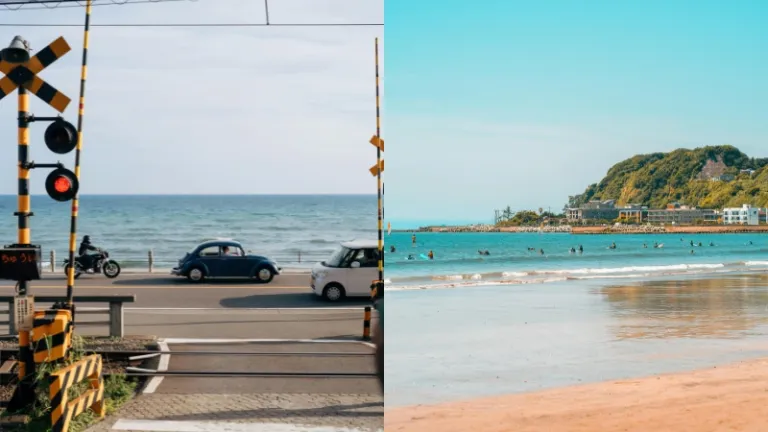 Just less than an hour from Tokyo, you’ll find yourself arriving in Kamakura—a charming coastal town with a magical appeal. It’s the perfect blend of ancient culture, beautiful blue beaches, and a warm, relaxing atmosphere that instantly makes you feel at ease.
How to Get to Kamakura:
Practical Option:
Take the JR Yokosuka Line from Tokyo Station or Shinagawa Station directly to Kamakura Station (around ¥940). No transfers needed—super simple and convenient!Budget Option:
Take a train to Fujisawa Station, then continue with the Enoden Line. It’s highly recommended to get the Enoden 1-Day Pass (around ¥810 from Fujisawa) so you can hop on and off freely at any station along the line.
🌊 Must-Visit Spots in Kamakura:
Kamakura Kokomae Station
This is the most iconic and legendary photo spot! You can take pictures with the railway crossing, train tracks, and the ocean as your backdrop. The combination of the retro green Enoden train and the bright blue sea will make your photos truly stand out.Beautiful Beaches
Don’t forget to stop by Yuigahama Beach or Shichirigama Beach. It’s the perfect place to sit back, relax, and enjoy the refreshing sea breeze.Kotoku-in (Great Buddha)
The main symbol of Kamakura. Here, you’ll find a massive bronze Buddha statue standing majestically in an open space—truly an unforgettable sight.
🕋 Prayer Spaces in Kamakura
Although there are no large mosques, there are still a few prayer rooms (mushola) available:
Kamakura Kimono Rental Miyako: Located on the 3rd floor of Yamaguchi Building, near Kamakura Station.
Kajiya: Located on the 2nd floor of Kanayama Building in the Komachi area.
🍴 Halal Food in Kamakura
Finding halal food here may require a bit more attention, but don’t worry—there are still good options available:
Kajiya (Kajiya)
Their signature dishes include Magurodon (tuna rice bowl) and Salmondon. Fresh, delicious, and safe for Muslim travelers.Halal Kebab
There’s a kebab stall owned by Mr. Muhammad in a strategic location, with flavors that feel familiar and comforting.Shojin Ryori
This is traditional Buddhist monk cuisine that is fully vegetarian (no meat or fish). Almost all major temples offer this menu, making it the safest and healthiest option.
🛍️ DAY 6: SHOPPING IN TOKYO
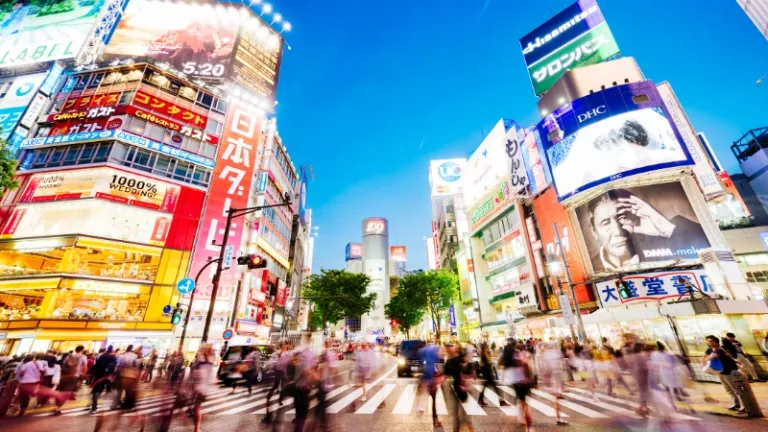
👕 Thrifting Fashion: Branded Style at Affordable Prices
Japan is a paradise for secondhand (preloved) items that still look almost brand new. In Tokyo, thrifting isn’t just about saving money—it’s about discovering unique pieces you won’t find anywhere else.
2nd Street
The most legendary thrift store in Japan. It offers a wide selection, from branded clothes, shoes, and bags to gadget accessories and toys.Ragtag
If you love vintage and stylish fashion, this place is a must-visit. Its Shibuya branch is especially popular because the items look incredibly clean and well-maintained. You can even find antique jewelry here.Kinji (Harajuku)
A spacious, clean, and aesthetic store. You might find yourself spending hours browsing through the racks.Flamingo
Well-known among branded thrift lovers. The Harajuku branch features a carefully curated collection.Chicago
Looking for affordable souvenirs like traditional kimono or yukata? This is the place! They also carry a variety of clothing from the US and Europe.
📱 Thrifting Electronics: Advanced Gadgets at Friendly Prices
A trip to Akihabara wouldn’t be complete without exploring its electronics stores. If you’re planning to upgrade your gadgets, these three places are top choices:
Janpara Store Akihabara
A paradise for secondhand iPhone hunters. All products go through strict inspections, prices are competitive, and the selection ranges from older models to the latest ones.Iosys Chuo Dori
If you’re team Android, you have to visit this store. Iosys offers a wide range of SIM-free smartphones, along with laptops and tablets at very attractive prices.Imtiaz Camera Market
A small shop loved by international tourists looking for secondhand cameras and lenses. The staff speak English, making it easy to ask questions or even negotiate.
🍪 Hunting for Halal Souvenirs: Safe and Worry-Free
Sometimes, buying Japanese snacks can feel tricky because you’re unsure about the ingredients. Instead of checking everything one by one, it’s much easier to visit these places:
Tokyo Camii Halal Mart
The safest option! All products here are 100% halal-certified, from snacks and spices to meat—sourced from trusted suppliers.Don Quijote Asakusa
This popular discount store has a dedicated halal section on the 2nd floor. Besides snacks, you can also find Muslim-friendly souvenirs.Nissin World Delicatessen
If you’re visiting Tokyo Tower, make sure to stop by. They offer a wide range of international foods, including halal-labeled products. Just remember to always double-check the labels.
Also read: 10 Muslim-Friendly Shopping Districts in Tokyo, Japan
✈️ DAY 7 — DEPARTURE VIA HANEDA AIRPORT
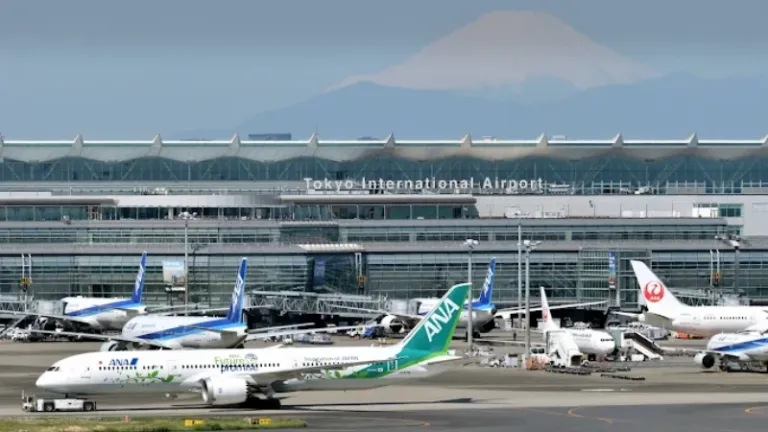 To reach Haneda Airport, you can take the Tokyo Monorail, Keikyu Line, limousine bus, or taxi depending on your needs.
🕋 Prayer Rooms at Haneda Airport
Prayer rooms are available at:
Terminal 2 (2nd and 3rd floors)
Terminal 3 (3rd floor)
They are clean, comfortable, and equipped with ablution facilities.
Also read: Where to Find Halal Food & Prayer Rooms at Haneda Airport, Tokyo
💡 Important Tips for a Comfortable Trip
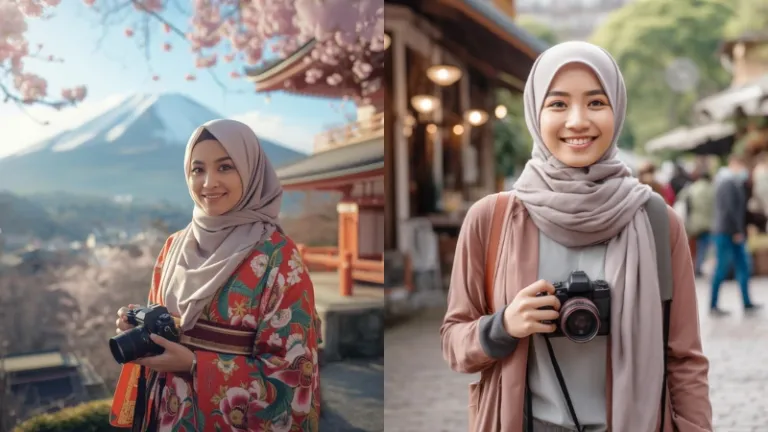 Traveling in Japan is exciting, but staying prepared as a Muslim traveler is important. Always carry a lightweight prayer mat and install a Qibla direction app.
For navigation, rely on Google Maps and Japan Travel by Navitime.
To make transportation easier, use IC cards like Suica Card or ICOCA Card—just tap and go!
Also read: Travel Guide to Japan for Muslim Traveler: List of Items You Cannot Bring into Japan
And just like that, your first Japan trip is all set.
With this guide in hand, you can explore confidently, enjoy delicious halal food, pray comfortably, and shop to your heart’s content. Your journey through Japan is not just a vacation—it’s an experience filled with meaning, ease, and unforgettable memories.
See you on your next adventure! 🇯🇵✨
Published at
About Author
Subscribe our Newsletter
Get our weekly tips and travel news!
Recommended Articles
Beyond Luxurious Getaways: Here Are More Things to Experience in the Maldives The Essential Muslim-Friendly Guide to Things to Do in Sydney and Beyond Let’s explore beautiful Sydney together!
12 Things to Do in Australia Before 2022 Ends Write them down for your next Aussie trip!
Muslim-Friendly Experiences in Australia: Things to Do For All Travellers Discover Australia YOUR way!
4D3N Hong Kong & Macao: Things to See, Do & Eat for Muslim Travellers Explore Macao to your heart’s content!
Latest Articles
10 Halal Ramen in Osaka Every Muslim Travellers Have to Try At Least Once Don't miss out on Japan’s iconic comfort food!
Experience Autumn Beauty: Visit These 10 Stunning Spots in Kyoto Experience Kyoto at its most gorgeous.
12 Free Attractions in Osaka, Japan to Make Your Trip More Budget-Friendly Save money on your Japan vacation!
10 Great Places to Shop for Souvenirs in Hong Kong: From Budget-Friendly Markets to Unique Keepsakes Bring home the best of Hong Kong!
8-Day Tokyo and Osaka Itinerary: From the Bustling Capital to Japan’s Kitchen Make your dream Japan trip come true!