

Looking for cheap, good and Halal food in Orchard Road? You can get a full meal under $10 at these awesome local eateries!
A Muslim Traveller’s Guide to Halal Food in China: 6 Must-Try Dishes and Where to Find Them

China is often described as a food lover’s paradise, and it is easy to see why. From steaming bowls of beef noodles and freshly grilled lamb skewers to delicious rice dishes and traditional dumplings, every region has something different to offer. But if you are a Muslim traveller planning a trip to China, you might have one important question before your journey: is it easy to find halal food in China?
Also read: 10 Popular Halal Restaurants in Shenzhen, China for Muslim Travellers
The good news is that finding halal food in China is possible, especially in cities with established Muslim communities. Although most of the population is not Muslim, communities such as the Hui and Uyghur have a long history in the country, bringing their own food traditions and flavours. From Beijing and Xi'an to Lanzhou, Urumqi, Kashgar and Shanghai, you can discover halal restaurants, Muslim neighbourhoods and local street food. To help you plan your culinary adventure, here is a guide to recognising halal restaurants in China, six local dishes worth trying and the best cities for Muslim-friendly food.
How to Find Halal Restaurants in China
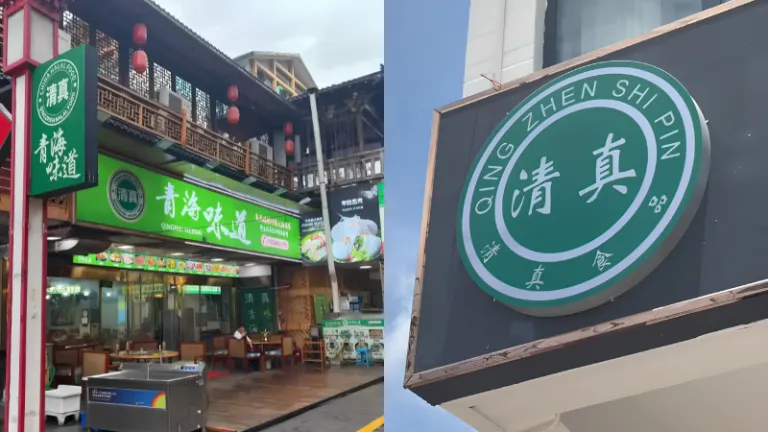 Before heading out to explore China's food scene, it helps to know how to recognise a halal restaurant. One of the easiest ways is to look for the Chinese characters 清真 (Qīngzhēn), which means halal or Muslim.
You may see this sign displayed on restaurant entrances, shopfronts or menus. Some establishments also use the English word "Halal" alongside the Chinese characters.
Another useful phrase to look out for is 清真餐厅 (Qīngzhēn Cāntīng), which means halal restaurant.
Halal restaurants are particularly common in areas with established Muslim communities, including:
Xi'an Muslim Quarter: A lively neighbourhood filled with traditional Muslim restaurants, noodle shops and local snacks.
Niujie, Beijing: One of the city's best-known Muslim neighbourhoods, with plenty of traditional halal food.
Lanzhou: Famous for its hand-pulled beef noodles and Muslim food culture.
Urumqi: A great place to discover Uyghur cuisine, including lamb kebabs and pilaf.
Kashgar: Known for its traditional Uyghur food, markets and freshly baked naan.
Yinchuan and Xining: Cities where you can also explore food traditions associated with China's Muslim communities.
Many restaurants displaying the Qingzhen sign avoid pork and alcohol, but Muslim travellers should still check the restaurant's ingredients and preparation methods. A sign alone may not answer every question about certification, meat sourcing or kitchen practices.
6 Must-Try Halal Foods in China
One of the best ways to experience China's food culture is by trying dishes that have been enjoyed by local Muslim communities for generations. Here are six popular options to look out for during your trip.
1. Lanzhou Beef Noodles (兰州牛肉面): China's Famous Halal Noodle Soup
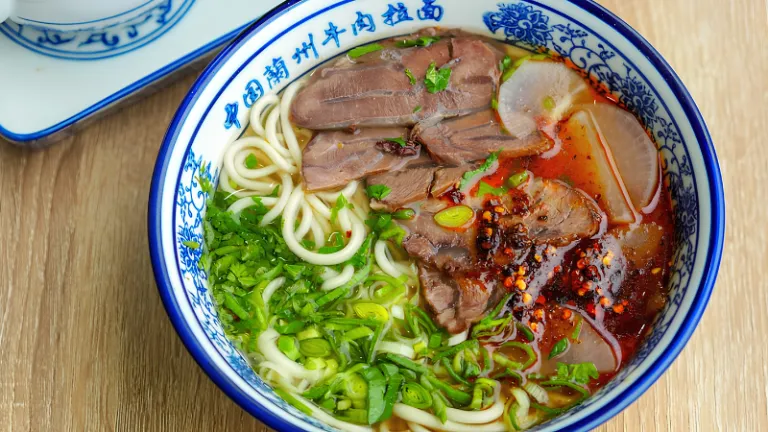 If there is one dish Muslim travellers should try in China, it has to be Lanzhou Beef Noodles. Originally from Lanzhou in Gansu Province, this famous noodle soup is loved for its freshly hand-pulled noodles and rich beef broth.
A typical bowl comes with slices of beef, white radish, coriander, spring onions and a drizzle of chilli oil. The broth is savoury and comforting, while the noodles have a wonderfully springy texture. It is a simple dish, but the combination of flavours makes it incredibly satisfying.
You can enjoy Lanzhou Beef Noodles for breakfast, lunch or dinner, making it an easy meal to fit into a busy sightseeing day.
Price: Around ¥20–35 per bowl.
Where to try it:
Lanzhou
Beijing
Xi'an
Shanghai
Muslim traveller tip: Look for restaurants displaying the 清真 (Qingzhen) sign. If you are unsure, ask whether the beef broth is prepared using halal ingredients and whether the restaurant serves alcohol or pork.
2. Yangrou Chuan (羊肉串): Xinjiang-Style Lamb Skewers
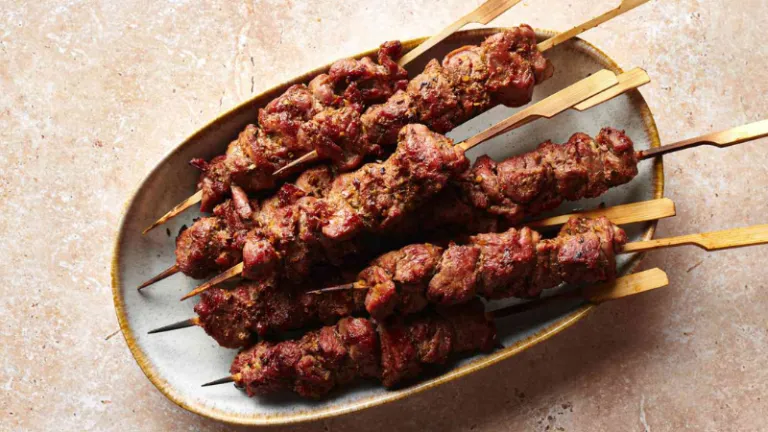 Love grilled food? Then Yangrou Chuan is a must-try during your China trip.
This popular street food features small pieces of lamb threaded onto skewers and grilled over hot charcoal. The meat is seasoned with cumin, chilli powder and aromatic spices, creating a smoky fragrance that is hard to resist.
Yangrou Chuan is particularly popular in Xinjiang and is commonly found in Muslim neighbourhoods and night markets. It is a great snack to enjoy while exploring local streets, especially in the evening when food stalls come alive.
Price: Around ¥5–10 per skewer.
Where to try it:
Xi'an Muslim Quarter
Urumqi Grand Bazaar
Beijing Niujie
Kashgar Night Market
Muslim traveller tip: Choose stalls with clear Qingzhen signage and ask whether the lamb is halal. If you are buying from a street vendor, it is also worth checking whether the grill and cooking utensils are shared with non-halal meat.
3. Xinjiang Lamb Pilaf (Polo): A Flavourful Rice Dish
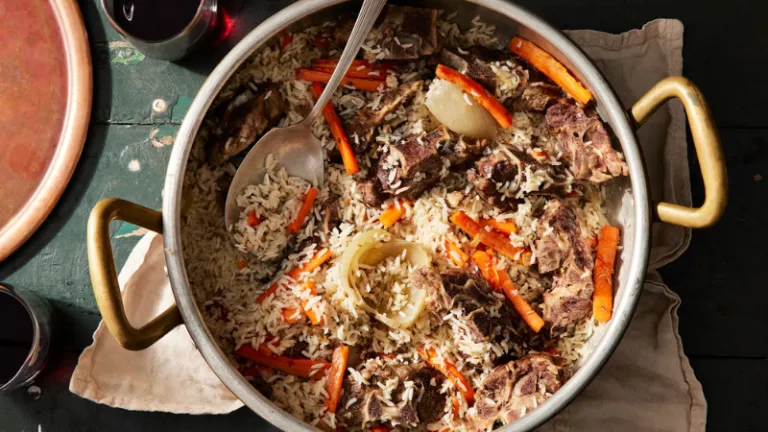 If you enjoy hearty rice dishes, Xinjiang Lamb Pilaf, also known as Polo, deserves a place on your food list.
This traditional dish combines long-grain rice with tender lamb, carrots, onions and raisins, all cooked together in one large pot. The result is a delicious mix of savoury, slightly sweet and aromatic flavours.
The lamb gives the rice a rich taste, while the carrots and raisins add a gentle sweetness. It is usually served in generous portions, making it a satisfying meal after a long day of sightseeing.
Price: Around ¥35–60 per serving.
Where to try it:
Urumqi
Kashgar
Xi'an Muslim Quarter
Muslim traveller tip: Polo is commonly associated with Uyghur cuisine, but it is still worth checking the restaurant's halal status and ingredients. You can also enjoy it with plain yoghurt, a popular accompaniment that balances the richness of the rice.
4. Roujiamo (肉夹馍): China's Traditional Meat Sandwich
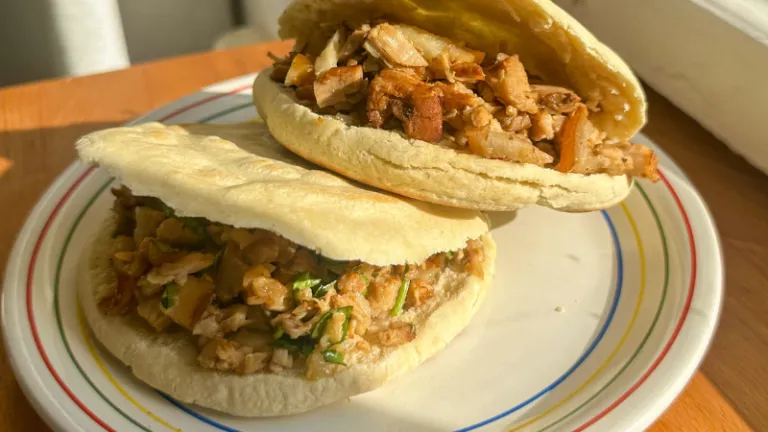 Often nicknamed the Chinese burger, Roujiamo is a popular street food that you should not miss when visiting Xi'an.
It consists of a crispy, round flatbread filled with finely chopped, slow-cooked meat. The filling is usually seasoned with a mixture of spices, creating a rich and savoury flavour. Halal versions made with beef or lamb are widely associated with Xi'an's Muslim food scene.
Its convenient size makes Roujiamo a great option for a quick lunch or snack while exploring the city.
Price: Around ¥10–20 per serving.
Where to try it:
Xi'an Muslim Quarter
Around Xi'an Bell Tower
Muslim traveller tip: Not every Roujiamo sold in China is halal, as some versions use pork. Make sure you choose a restaurant with a clear Qingzhen sign and confirm that the filling is beef or lamb.
5. Halal Baozi (包子): Steamed Buns with Savoury Fillings
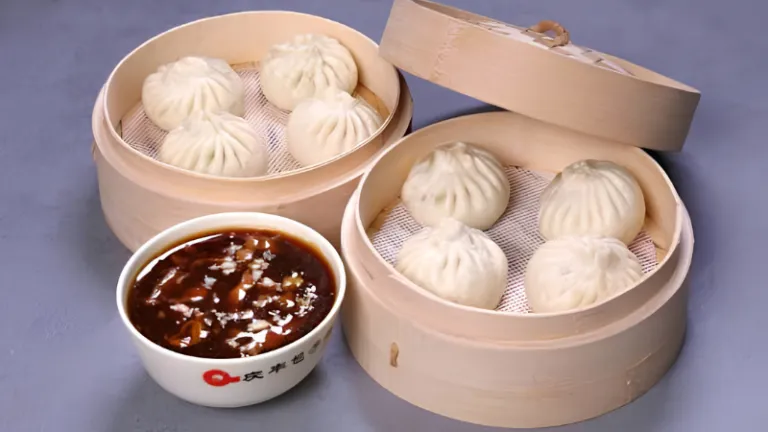 Baozi is one of China's most popular breakfast foods. These soft, steamed buns are filled with savoury ingredients and are commonly enjoyed with a cup of warm tea or soy milk.
For Muslim travellers, halal versions are often filled with beef, lamb or vegetables. The fluffy dough and warm filling make them a comforting choice, particularly on chilly mornings.
Baozi are usually sold at small breakfast shops, traditional markets and local food stalls. If you want to try them fresh from the steamer, it is best to visit early in the morning.
Price: Around ¥5–10 per bun.
Where to try it:
Xi'an Muslim Quarter
Beijing Niujie
Lanzhou
Muslim traveller tip: Check the filling before ordering, as regular baozi may contain pork. You can ask:
牛肉包子 (Niúròu bāozi): Beef buns.
羊肉包子 (Yángròu bāozi): Lamb buns.
素包子 (Sù bāozi): Vegetable buns.
Even when ordering vegetable baozi, check whether the ingredients and cooking process meet your dietary requirements.
6. Da Pan Ji (大盘鸡): Xinjiang's Famous Big Plate Chicken
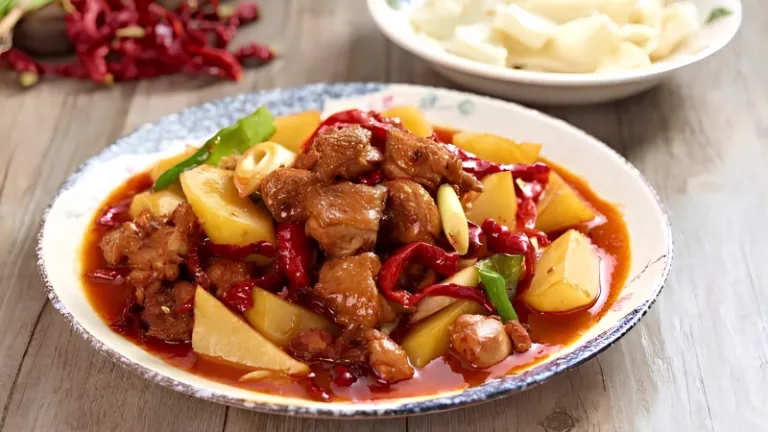 For something more filling, try Da Pan Ji, a popular Xinjiang dish known for its generous portions and bold flavours.
The dish features chicken cooked with potatoes, peppers, onions and chillies in a rich, spiced sauce. It is usually served on a large plate and shared between family or friends.
One of the best parts comes when hand-pulled noodles are added to the remaining sauce, soaking up all the delicious flavours. If you enjoy spicy food and hearty meals, this is definitely worth trying.
Price: Around ¥50–80 per serving.
Where to try it:
Urumqi
Kashgar
Uyghur restaurants in Beijing and Shanghai
Muslim traveller tip: Da Pan Ji is often served in a large portion, so consider sharing one order with two to four people. As with other dishes, look for a Qingzhen restaurant and confirm that the chicken is halal.
Best Cities in China for Halal Food
China is a huge country, so the halal food scene can feel quite different from one destination to another. If trying local Muslim cuisine is one of your travel priorities, these cities are worth adding to your itinerary.
Beijing: Traditional Halal Food in the Capital
Beijing offers a wonderful mix of modern attractions and traditional Muslim food culture. One of the best places to explore is Niujie, a well-known Muslim neighbourhood with halal restaurants, bakeries and traditional food shops.
While visiting, look out for beef noodles, lamb skewers and local halal snacks. It is a great area to experience a different side of Beijing beyond its famous historical landmarks.
Xi'an: A Must-Visit Destination for Muslim Food Lovers
Xi'an is one of the best cities in China for Muslim travellers who love food. Its famous Muslim Quarter is filled with traditional restaurants, food stalls and shops selling local specialities.
You can find Roujiamo, Baozi, Yangrou Chuan and many other dishes while exploring the neighbourhood. The area is also a wonderful place to discover the food traditions of China's Hui Muslim community.
Lanzhou: The Home of Famous Beef Noodles
For noodle lovers, Lanzhou is a destination worth visiting. The city is famous for Lanzhou Beef Noodles, a dish that has become popular throughout China.
You can find noodle restaurants across the city, with many offering freshly prepared hand-pulled noodles and warming beef broth.
Urumqi: Discover Authentic Uyghur Cuisine
Urumqi, the capital of Xinjiang, is a great destination for exploring Uyghur food. The city's culinary scene features lamb skewers, Polo, Da Pan Ji and freshly baked bread.
If you want to experience local food culture, visit traditional markets and restaurants displaying the Qingzhen sign. You will find plenty of opportunities to discover the region's distinctive flavours.
Kashgar: Traditional Food and Local Markets
Kashgar offers a fascinating combination of traditional architecture, lively markets and Uyghur food culture.
It is a great place to try lamb kebabs, naan bread and lamb pilaf. The city's markets also provide an opportunity to see how local food is prepared and enjoyed.
Shanghai: A Mix of Local and International Halal Food
Shanghai is known for its international dining scene, and Muslim travellers can also find halal restaurants around the city.
You may come across traditional Chinese Muslim dishes as well as restaurants serving food from other Muslim-majority countries. As halal options can vary by neighbourhood, search for restaurants near your hotel or sightseeing areas before heading out.
Practical Tips for Finding Halal Food in China
Finding halal food in China can be easier when you know what to look for. Here are some practical tips to help you enjoy your culinary adventure with greater confidence.
1. Look for the Qingzhen Sign
The Chinese characters 清真 (Qingzhen) are among the most useful things to recognise when searching for halal restaurants in China.
Look for the sign at the restaurant entrance, on the menu or displayed near the cashier. You can also use the Chinese phrase 清真餐厅 when searching for halal restaurants online.
2. Use Chinese Map Apps to Find Nearby Restaurants
Google Maps may not always provide the most complete or convenient results in mainland China. Consider using local mapping apps such as Amap (Gaode Maps) or Baidu Maps to search for restaurants around your location.
Try searching using these Chinese terms:
清真餐厅: Halal restaurant.
清真牛肉面: Halal beef noodles.
清真美食: Halal food.
清真餐馆附近: Halal restaurants nearby.
You can save useful restaurant locations before leaving your hotel, especially if you are visiting a less touristy neighbourhood.
3. Save Useful Mandarin Food Phrases
Not every restaurant staff member will speak English, so having a few Mandarin phrases ready can make ordering easier.
Here are some useful expressions:
这是清真的吗? (Zhè shì qīngzhēn de ma?) – Is this halal?
有猪肉吗? (Yǒu zhūròu ma?) – Does this contain pork?
有酒吗? (Yǒu jiǔ ma?) – Does this contain alcohol?
这个是什么肉? (Zhège shì shénme ròu?) – What kind of meat is this?
我不吃猪肉。 (Wǒ bù chī zhūròu.) – I do not eat pork.
You can also save these phrases as screenshots on your phone, so they are easy to show restaurant staff when needed.
4. Check the Ingredients, Not Just the Restaurant Sign
A restaurant displaying a Qingzhen sign is a useful starting point, but it is still important to check the food you order.
Ask about the meat, broth, sauces and cooking ingredients. Some dishes may contain alcohol-based seasonings, while others may use shared cooking equipment.
If you have specific dietary requirements, do not hesitate to ask the staff before ordering.
5. Prepare Your Digital Payment Options
Digital payments are widely used in China, including at many restaurants, cafes and street food stalls.
Before travelling, prepare a suitable payment method and check whether your payment app can be used in mainland China. Alipay and WeChat Pay are commonly used, although payment options may vary between businesses.
It is also useful to keep some cash as a backup, particularly when visiting smaller shops or local markets.
6. Choose Muslim-Friendly Areas When Planning Your Itinerary
If finding halal food is a priority, consider staying or sightseeing near established Muslim neighbourhoods.
Areas such as Xi'an Muslim Quarter and Beijing's Niujie make it easier to discover traditional halal restaurants without travelling too far. In cities such as Urumqi and Lanzhou, you can also find a strong selection of local Muslim food.
Planning your sightseeing around these areas can save time and make your food experience more enjoyable.
Also read: 10 Best Halal Restaurants in Chongqing, China for Authentic Local Flavors
Enjoy China's Food Culture as a Muslim Traveller
China has so much to offer when it comes to food, and Muslim travellers do not have to miss out on its rich culinary traditions. From a comforting bowl of Lanzhou Beef Noodles and smoky Xinjiang lamb skewers to hearty Polo rice and flavourful Da Pan Ji, there are plenty of dishes worth discovering.
The key is knowing where to look and how to check what you are eating. Look for the Qingzhen sign, use local map apps, save a few Mandarin phrases and always check ingredients when you are unsure. With a little preparation, exploring China's halal food scene can become one of the most memorable parts of your trip.
So, whether you are planning to explore Beijing, wander through Xi'an's Muslim Quarter or discover the flavours of Xinjiang, get ready for a delicious journey through China
Published at
About Author
Subscribe our Newsletter
Get our weekly tips and travel news!
Recommended Articles
10 Cheap Halal Food and Restaurants in Orchard Road 10 Halal Restaurants in Bangkok to Satisfy Your Thai Cravings From Korean-style BBQ and Punjabi curries to award-winning shrimp Pad Thai, take your pick from these amazing Halal restaurants in Bangkok.
Muslim Travel: 5 Places for Halal Food in Ho Chi Minh City Hunt down these halal restaurants in Ho Chi Minh City for Vietnamese food, Malaysian food and more!
Souq Waqif: The Iconic Qatar Market That Sells Everything From Spices to Falcons Yes, you heard me right, they really do sell falcons.
18 Must-Visit Halal Restaurants & Cafes in Isfahan Need recommendations on where to eat in Isfahan? Here’s a list that’ll satisfy your cravings for traditional Iranian foods and so much more.
Latest Articles
Discover Shibamata, Tokyo: A Muslim-Friendly Guide to Japan’s Hidden Retro Gem Explore Shibamata, Tokyo, in one day with temple streets, retro cafes and riverside views, plus halal food and prayer tips for Muslim travellers.
Japan for All Seasons: What to Wear as a Muslim Traveller What to wear in Japan throughout the four seasons, with modest outfit ideas and practical packing tips for Muslim travellers.
Complete Guide to the Dress Code in Saudi Arabia for Tourists Discover Saudi Arabia’s dress code for tourists, including clothing rules for men and women, abayas, beachwear, mosque etiquette and packing tips
A Muslim-Friendly Guide to Resorts World Sentosa: Halal Food, Prayer Rooms and Family Fun Here's everything Muslim travellers need to know before visiting!
14 Mosques and Prayer Rooms in Osaka, Japan Every Muslim Traveller Should Know Discover 14 mosques and prayer rooms in Osaka, Japan, including locations in Namba, Umeda and popular shopping centres for Muslim travellers.