

Think SimCity, come to life.
7 Books Millennial Muslims Should Read Before You’re 30

The world is full of wisdom and knowledge, and our brains are like sponges capable of absorbing anything this universe has to offer. Easily accessible and unlimited choices, picking up a book is the easiest way to learn, if not adopt a skill.
While there are substantial books out there about Islam and novels are written about and by Muslims, we can gain quite a bit from authors that are not from our community as well. As you flip open the book and begin committing to it — because reading a book is inevitably a commitment. Millennial Muslims should challenge yourself to develop, your brain to open up and your soul to take it all in. It’ll surprise you how many different lights we can see the world in. Your mind is a garden. Your thoughts are the seeds. You can grow flowers. Or you can grow weeds. Here are some books for the mind and soul that we can learn from, and then apply it to our lifestyle as a millennial Muslim — to be a better person and substantially a better Muslim.
1. Self-care for the Soul – Jody Shield
 Image Credit: @yellowkitebooks
Whether it is a mental illness like anxiety or just a personal issue of negativity and fear, self-care is so very important. Healing and being optimistic in the process and progress is just as important as the end result.
Jody Shield’s “Self-Care for the Soul” book engages you in a revolutionary experience designed to transform your mind and soul to the best possible version they can get. While it may be easier to just brush things off so you don’t have to think about it, it is crucial to confront it all. Remember to allow yourself to heal and open your heart.
2. The Art of Thinking Clearly – Rolf Dobelli
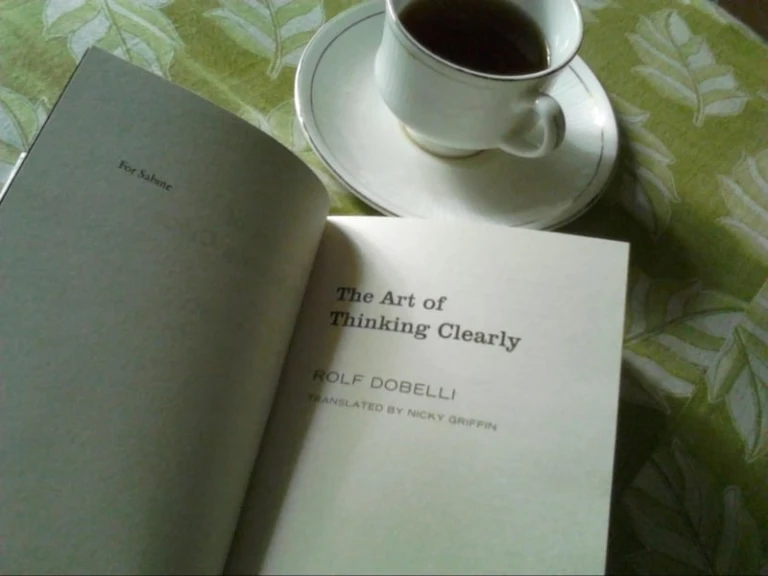 Image credit: Prithu De
“Truly God does not change the condition of a people until they change what is in themselves” [Al Qur’an 13:11]
Society has convinced us to adopt new behaviours to improve ourselves. However, Rolf Dobelli’s book aims to help us make better decisions in life by recognising the common errors of judgement we fall prey to on a regular basis and cut them out.
Outlining cognitive biases and acknowledging you own some of them allows you to tackle them head-first. Improving who we are from within and applying them in our near and far future improves us as millennial Muslims.
3. Kintsugi – Tomás Navarro
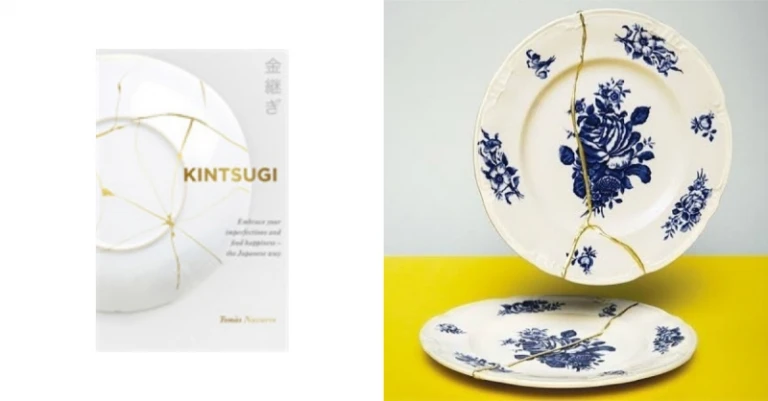 Image credit: Kinokuniya Singapore (left) and Suzie Bea (right)
Al-Hasan al-Basri (may Allaah have mercy on him) said: “Do not resent the calamities that come and the disasters that occur, for perhaps in something that you dislike will be your salvation, and perhaps in something that you prefer will be your doom.”
It’s unrealistic to expect life to flow seamlessly. Even with the utmost care, it’s inevitable that fragile things, like our favourite ceramic mug, will occasionally break. “Kintsugi” translates to “golden joinery” in Japanese, ancient art in Japan of repairing what has been broken. With gold streaks joined by visible lines of gold, it is a symbol of fragility, strength and beauty.
Author Tomás Navarro wrote a book on applying the principles of this ancient art to day-to-day life. It tackles the negative mentality of imperfection being a weakness. Instead of sweeping our problems under that metaphorical carpet, we can put ourselves back in a way that embraces the challenges in our life’s journey. It is acknowledging that our scars make us strong and beautiful people.
4. Walk with your Wolf – Jonathan Hoban
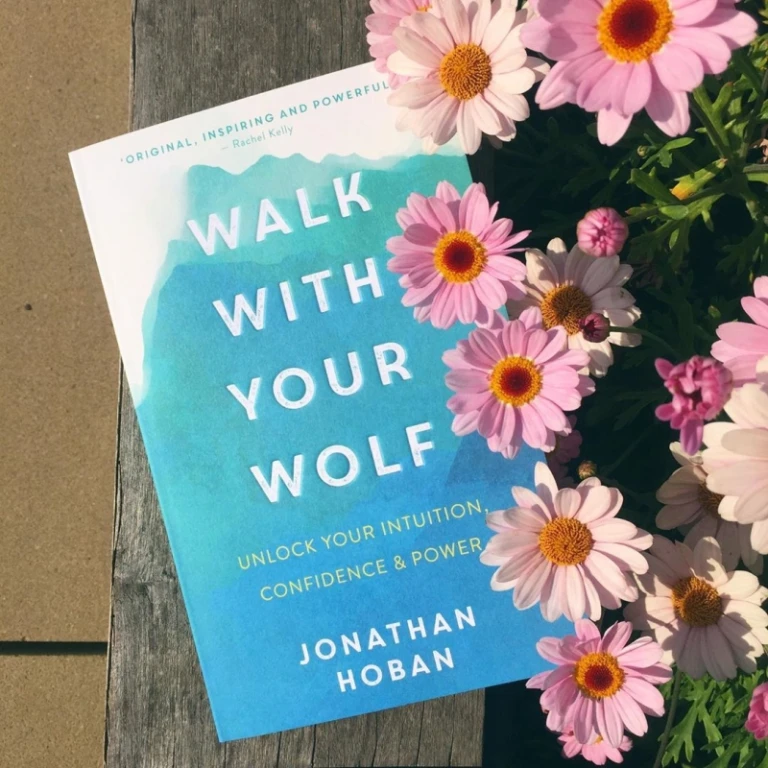 Image credit: @yellowkitebooks
In this day and age of the Millenials, when was the last time you took a walk? Not a stroll to the nearby convenience store, but to stimulate your senses, get energised and at the same time de-stress?
A London-based therapist, Jonathan Hoban, wrote “Walk with your Wolf” as a part memoir, part self-help and part reflection on how we should reconnect with our intuitive, natural selves. Just like how exercise relieves stress, this is a perfect book that practices that exact mentality of physical activities helping the mind. This book might just be what millennial Muslims need to live a more balanced life when juggling day-to-day responsibilities.
5. The Things That You Can See Only When You Slow Down – Haemin Sunim
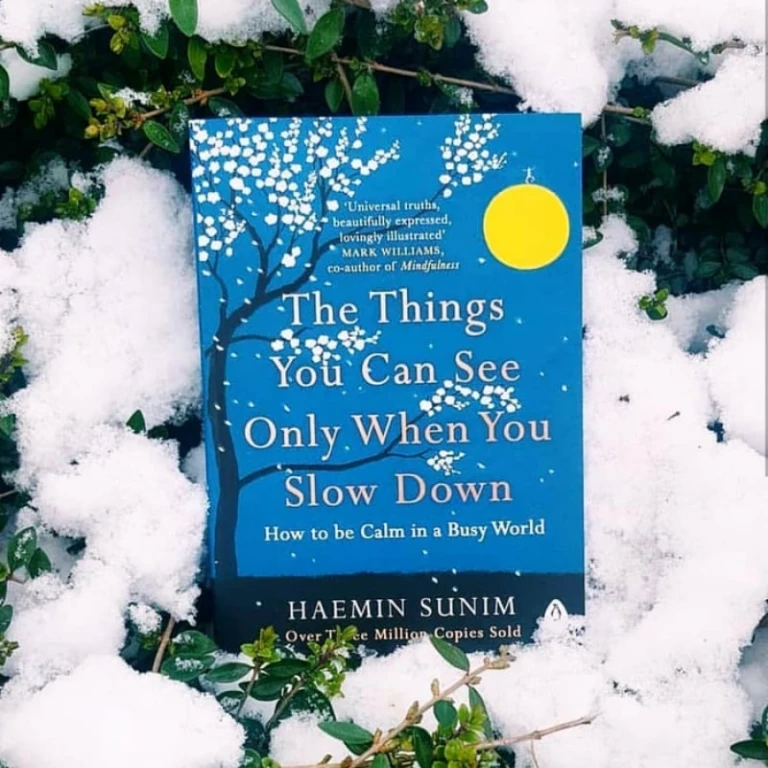 Image credit: Tokopedia
We’re all guilty of getting caught up in this world of society’s expectations and whatnots. When was the last time we stopped to appreciate the beauty of the sometimes not so blue sky, or the noise of silence when everyone else is asleep? This book gives millennial Muslims a beautiful break from the daily grind and a simple reminder about what’s important.
A lot of books like this have a teaching or telling tone. Haemin Sunim’s “The Things You Can See Only When You Slow Down” uses words that encourage you to question, ponder and reflect. Each chapter begins with the author’s thoughts and reflections on the subject, usually involving a story or anecdote.
6. Ikigai – Hector Garcia and Francesc Miralles
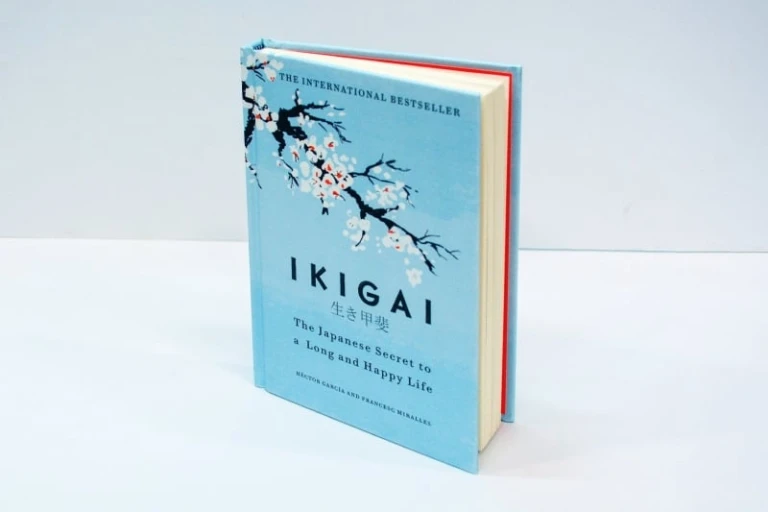 Image credit: Amazon
There can be many translations to “Ikigai”. The word derives from “iki”, meaning life and “kai”, meaning the realisation of hopes and expectations. In other words, it can mean the reason for being, encompassing joy, a sense of purpose and meaning and a feeling of well-being.
Ibn Mas`ûd said: “Allah has placed ease and happiness in the certainty of faith and contentment. He has placed worry and misery in discontent and doubt.”
The idea behind this book by Hector Garcia and Francesc Miralles is to inspire others to achieve inner happiness from within, and achieving a consistent flow in your life despite the occasional stress that we cannot avoid. Tackling this concept of flow and happiness is something that we can apply to our lives as Muslims. When we achieve stability and grasp aspects of peace and happiness in our faith, we can build around it as a central piece of our lives.
7. Thinking, Fast and Slow – Daniel Kahneman
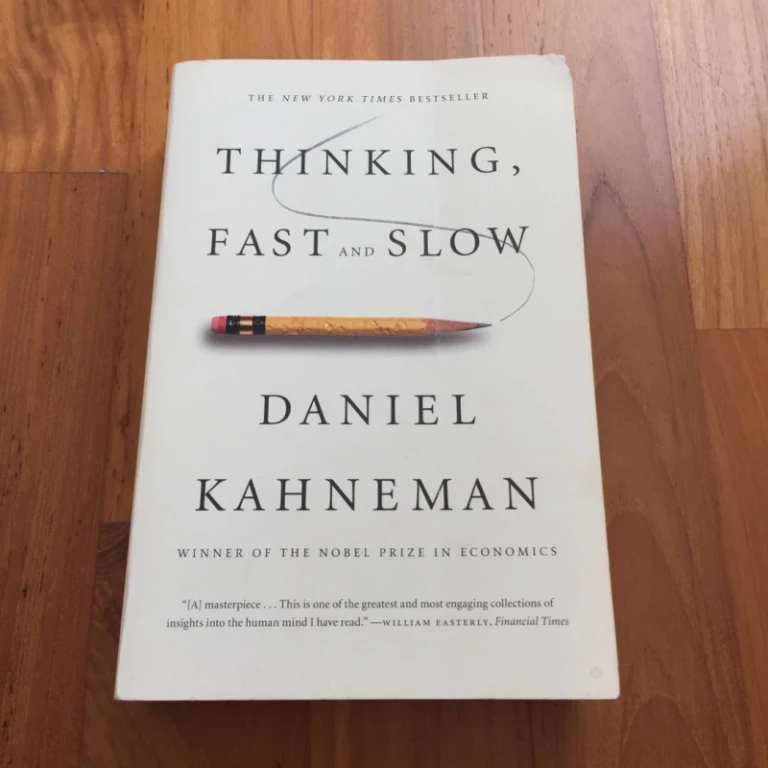 Image credit: @mai.rawr
Making decisions are things we do on a daily, consciously and subconsciously. Does it cross your mind sometimes why others decided the way they did? Daniel Kahneman’s book, “Thinking, Fast and Slow” talks about behavioural psychology and decision-making.
Understanding how people sometimes make errors in judgement and how to look for signs that you might do the same. This book will serve as a reminder for millennial Muslims to be more compassionate and sympathetic towards others.
The Messenger of Allah, peace be upon him, once said, “Truly I was sent as a Prophet for the purpose of perfecting human character.” This hadith defines a very important aspect of Islam: self-improvement through the purification of one’s personal qualities. As we improve our state of mind and purify our soul from the psychological aspects, we are able to portray better versions of ourselves and have a healthier, happier lifestyle.
Published at
About Author
Azra Syakirah
Usually a book in one hand and a latte in the other, Azra is always tucked away in a cafe anywhere she goes. While she cherishes jaw-dropping sceneries as she trots the globe, she gets a buzz out of over-coffee conversations with people she encounters on her adventures.
Subscribe our Newsletter
Get our weekly tips and travel news!
Recommended Articles
In 20 Photos: Why Dubai is Basically #ArchitectureGoals What to Expect When Travelling to Iran: Expectations vs Reality Iran is a victim of multiple negative misconceptions – so much so that travellers usually get a surprise when they visit the country.
Muslim Travel Guide: How to Find a Mosque or Prayer Space Overcome the daily challenge of finding a place to pray – whether in a mosque or elsewhere – when you’re on the move.
Kosovo: The Undiscovered Muslim-Friendly Country in Europe Embrace this young and fascinating country in the Balkans where there’s much to see and do, and Halal food is easy to find.
A Muslim-Friendly Guide To Halal Restaurants In Seoul And Jeju Finding Halal food in Korea is getting easier by the day as the country firms up its reputation as a Muslim-friendly destination. Bookmark these Halal-certified or Muslim-friendly restaurants for your next trip to Seoul and Jeju!
Latest Articles
Experience Autumn Beauty: Visit These 10 Stunning Spots in Kyoto Experience Kyoto at its most gorgeous.
12 Free Attractions in Osaka, Japan to Make Your Trip More Budget-Friendly Save money on your Japan vacation!
10 Great Places to Shop for Souvenirs in Hong Kong: From Budget-Friendly Markets to Unique Keepsakes Bring home the best of Hong Kong!
8-Day Tokyo and Osaka Itinerary: From the Bustling Capital to Japan’s Kitchen Make your dream Japan trip come true!
Say Goodbye to Dotonbori’s Iconic Glico Running Man Sign: A Brand-New Look Is Coming Soon This is your final chance to capture the iconic neon sign!