

From visiting mosques inspired by Middle Eastern architecture to exploring vibrant spice markets, there’s plenty of Muslim-friendly activities to do in Xi’an and Xinjiang!
Discover Muslim-Friendly Fukuoka: 10 Best Places to Visit, Halal Food & Prayer Spots
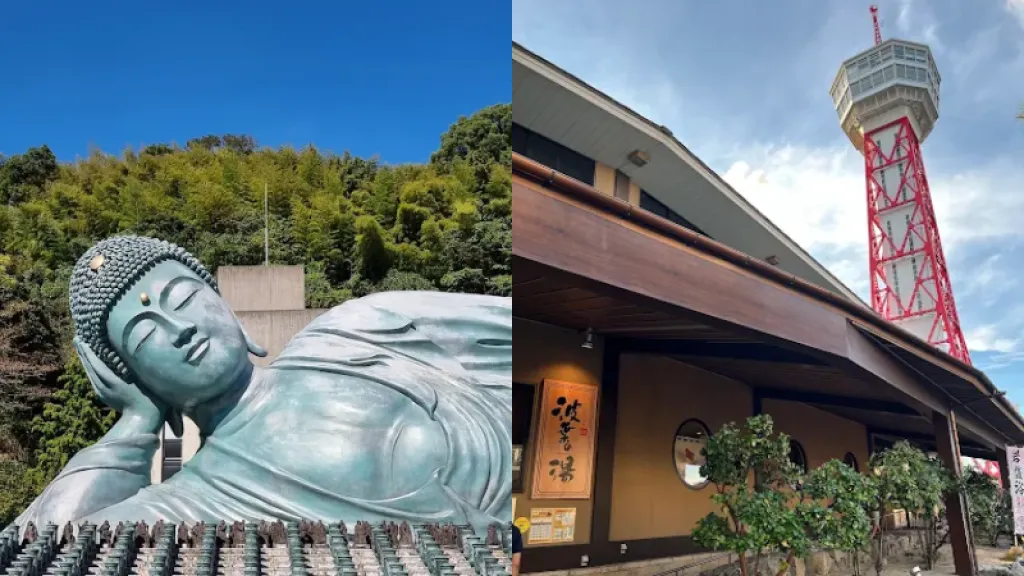
When people think about Japan, their minds often go straight to the neon-lit streets of Tokyo, the traditional temples of Kyoto, or the peaceful landscapes of Hokkaido. But tucked away on the northern shore of Kyushu is a city that deserves just as much attention: Fukuoka. With its fascinating history, beautiful parks, ancient shrines, modern shopping districts and incredible food scene, Fukuoka offers a refreshing mix of old and new that is surprisingly easy to explore.
Also read : Japan Travel Etiquette: 10 Unwritten Rules Every Muslim Traveler Should Know
What makes Fukuoka even more appealing is how effortlessly the city combines urban life with nature and culture. One moment, you could be exploring a centuries-old shrine, and the next, you could be enjoying a bowl of ramen, relaxing in a natural hot spring or taking a ferry to a flower-filled island. For Muslim travellers, Fukuoka is also becoming increasingly welcoming, with prayer spaces and a growing selection of halal and Muslim-friendly restaurants. If you are planning your first trip to Kyushu, these are the top places to visit in Fukuoka that you should definitely add to your itinerary.
A Tale of Two Cities: From Mongol Invasions to the "Divine Wind"
Before exploring the best places to visit in Fukuoka, it is worth knowing a little about the city's fascinating past. Fukuoka, particularly Hakata Bay, played an important role in Japanese history when it became the site of two major Mongol invasions in 1274 and 1281. The attacks were part of Kublai Khan's attempts to conquer Japan, but both campaigns ultimately failed.
According to legend, a powerful typhoon struck and devastated the Mongolian fleet, helping to protect Japan from invasion. The Japanese believed the storm was a divine intervention and called it "kamikaze", meaning "divine wind". The word later became associated with a very different chapter of Japanese history during the Second World War, but its original story can be traced back to these events around Fukuoka. Knowing this history makes exploring the city feel even more interesting, as you begin to realise that many of its landmarks are connected to stories that stretch back centuries.
10 Best Places to Visit in Fukuoka
1. Hakozaki Shrine
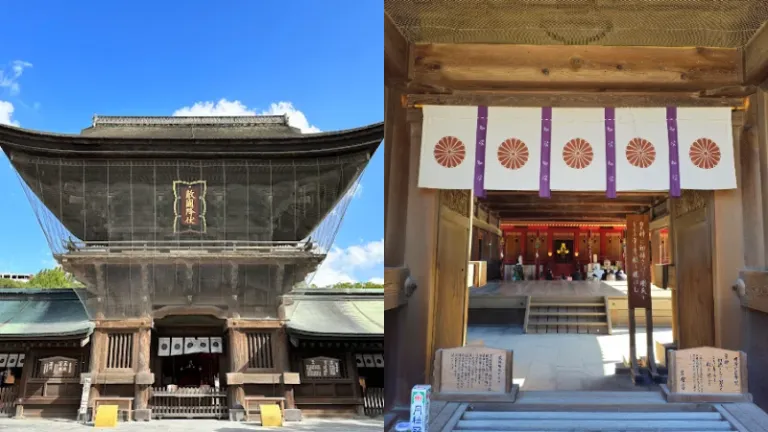 One of the first places to visit in Fukuoka for a taste of traditional Japanese culture is Hakozaki Shrine, one of the city's most prestigious Shinto shrines. Founded in 927, the shrine has played an important role in the spiritual history of the region and holds a high rank within Japan's national Shinto hierarchy.
Walking through the shrine grounds, you will immediately notice its traditional architecture, weathered wooden structures and peaceful atmosphere. The grand design has also been recognised as a National Important Cultural Property, making it more than just a place of worship. It is also a fascinating destination for travellers interested in Japanese architecture and history.
If you happen to visit Fukuoka during winter, try to time your trip with the Tamaseseri Festival on 3 January. During this unusual event, men compete to catch a large wooden ball in the hope of bringing good fortune for the year ahead. Alternatively, visit in September during the Hojoya Festival, when the shrine grounds transform into a lively traditional fair filled with food stalls, entertainment and colourful local celebrations.
2. Nanzo-in Temple
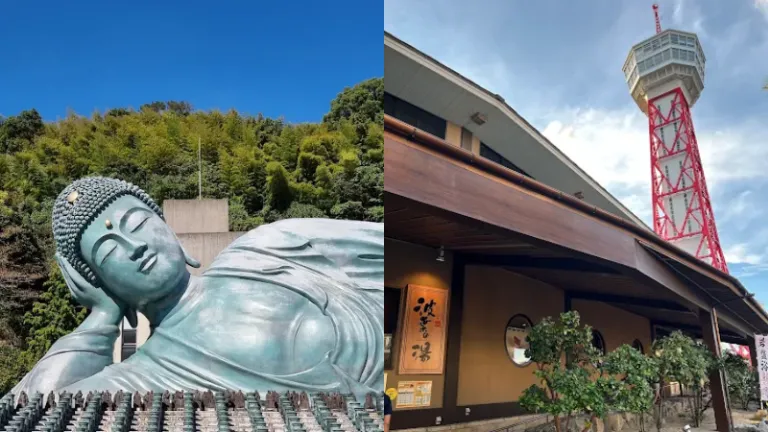
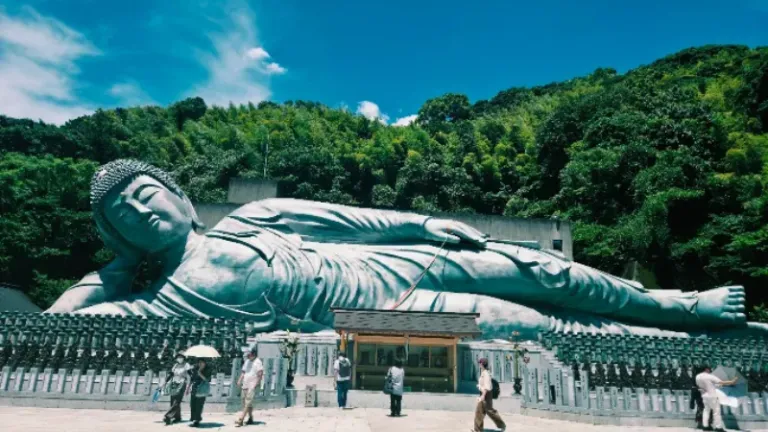 If you are looking for a peaceful place to escape the busy streets of Fukuoka, make your way to Nanzo-in Temple in Sasaguri. Located outside central Fukuoka, this Shingon Buddhist temple is famous for its enormous reclining Buddha, which has become one of the most recognisable sights in the area.
But the giant Buddha is only part of the experience. The temple complex is surprisingly vast, with forested paths, hidden grottos, small shrines and beautiful torii gates waiting to be discovered. Instead of rushing through the site, give yourself at least half a day to explore the grounds properly.
There is something wonderfully calming about walking through Nanzo-in without a strict sightseeing schedule. The further you explore, the quieter it becomes, making it an excellent place for reflection and a slower travel experience. If you want to see a different side of Fukuoka beyond shopping and food, Nanzo-in is well worth the journey.
3. Nokonoshima Island Park
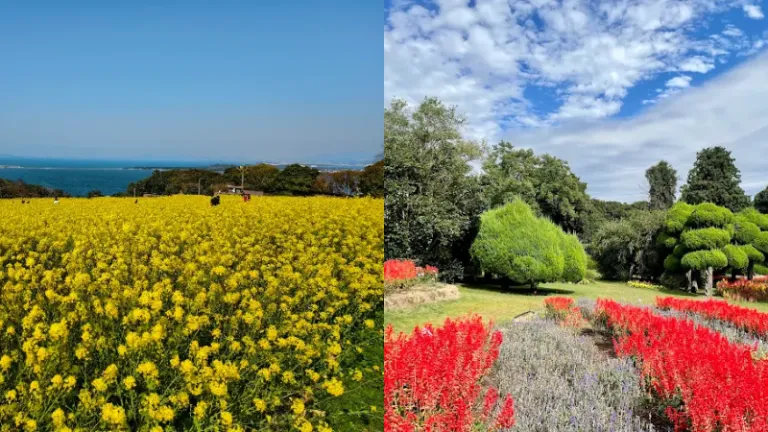 Need a break from the city? Simply hop on a ferry and head to Nokonoshima Island, a peaceful island located in Hakata Bay. The ferry journey takes only around ten minutes, but the change of scenery makes it feel as though you have travelled much further.
The island's biggest attraction is Nokonoshima Island Park, famous for its beautiful seasonal flower fields. Depending on when you visit, you can find colourful cosmos, rapeseed flowers, sunflowers and other blooms covering the hillsides, with the sparkling blue waters of Hakata Bay providing a spectacular backdrop.
The park is also a great choice for families and active travellers. You can try Noko-Noko Ball, a quirky activity that combines elements of golf and croquet, or have fun with grass sledging. There are also pottery painting workshops in a traditional village setting, making the island an enjoyable place to spend an entire day away from the city's skyscrapers.
4. Ohori Park
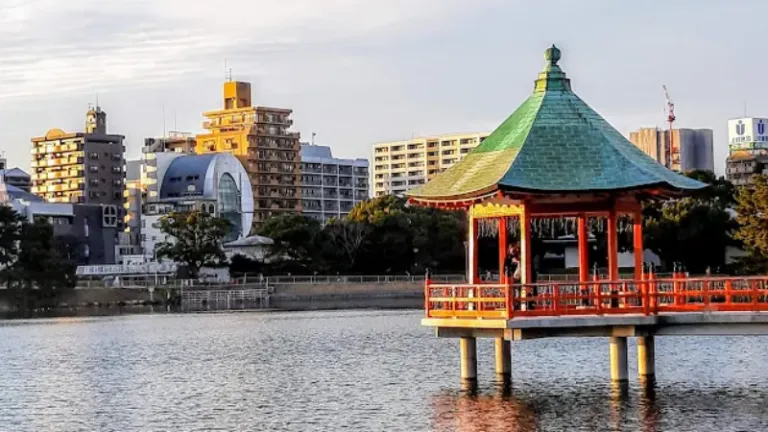 For a relaxing afternoon in the heart of the city, put Ohori Park at the top of your Fukuoka itinerary. The beautiful park was remodelled with inspiration from West Lake in Hangzhou, China, and its large central pond is surrounded by walking paths, greenery and peaceful views.
One of the most distinctive features of the park is the three islands located in the middle of the pond. Stone bridges connect them to the mainland, creating a picturesque landscape that is particularly beautiful when viewed from the walking paths around the water.
Ohori Park is popular with both locals and visitors, especially during cherry blossom season when the surrounding trees burst into colour. It is an ideal place to slow down, enjoy a picnic or simply take a break between sightseeing stops. If you have been spending your days exploring Fukuoka's busy streets, this is where you can take a breath and enjoy the city's quieter side.
5. Fukuoka City Museum
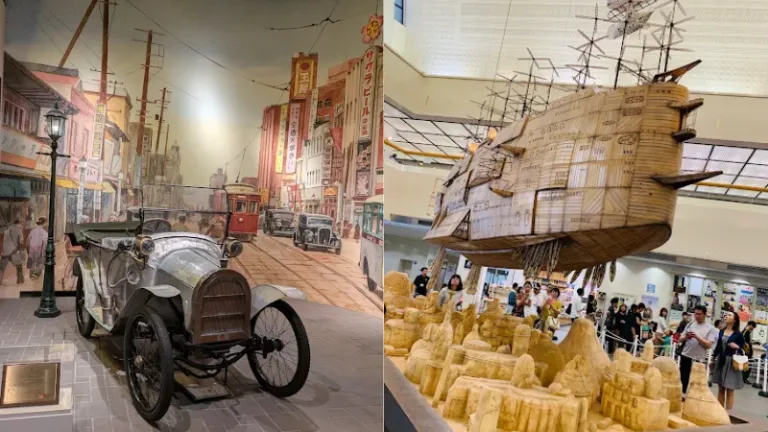 Located close to Ohori Park and the iconic Fukuoka Tower, the Fukuoka City Museum is a fascinating stop for anyone who wants to understand the city's history. Rather than simply displaying old objects, the museum tells the story of Fukuoka and its people, showing how the region developed through centuries of cultural exchange.
The museum's most famous treasure is the Gold Seal, an ancient artefact believed to have been presented by an emperor of China's Han Dynasty in 57 AD. Seeing such an old object in person gives you a real sense of how long Fukuoka has been connected to the wider Asian region.
Another reason to add the museum to your itinerary is its affordability. Adult admission is around ¥200, making it one of the most budget-friendly places to visit in Fukuoka. The exhibitions are divided into three main sections, allowing visitors to explore the evolution of local culture and the everyday lives of people throughout history.
6. Kushida Shrine
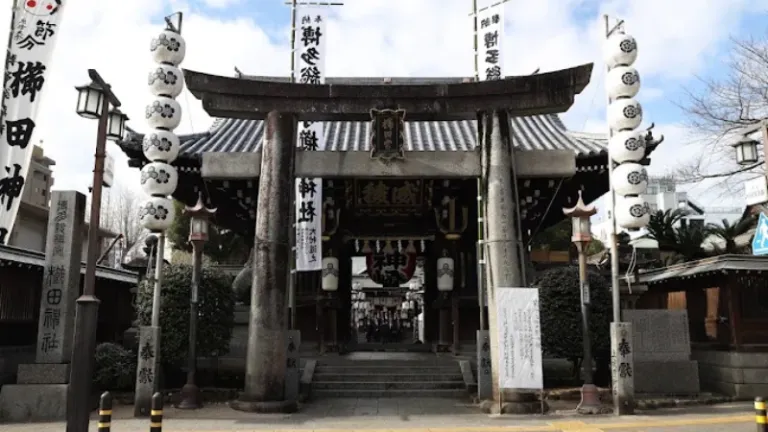 No trip to Fukuoka would feel complete without visiting Kushida Shrine, one of the city's oldest and most important Shinto shrines. Located in the heart of Hakata, the shrine is deeply connected to the city's traditions and is particularly famous for its relationship with the legendary Hakata Gion Yamakasa festival.
Even if you visit outside festival season, there is still plenty to see. Two enormous decorative floats, each around ten metres tall, are displayed on the shrine grounds throughout the year. The colourful details and traditional figures make them an impressive sight and offer a glimpse into the craftsmanship behind one of Fukuoka's most famous cultural celebrations.
If you visit between 1 and 15 July, you can experience the Hakata Gion Yamakasa festival itself, when the city comes alive with traditional events and enormous floats being carried through the streets. The festival is recognised as an Important Intangible Folk Cultural Property, making it one of the most significant cultural experiences in Fukuoka.
7. Kyushu National Museum
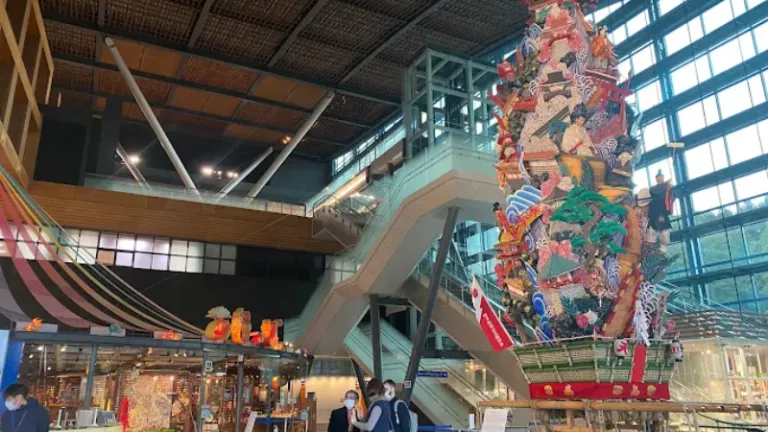 For travellers interested in the relationship between Japan and the rest of Asia, the Kyushu National Museum in Dazaifu is a must-visit. Opened in 2005, this striking blue-glass building is one of only four national museums in Japan, giving it a special place within the country's cultural landscape.
Unlike museums that focus mainly on Japan's internal history, Kyushu National Museum explores how Japan developed through centuries of interaction with its Asian neighbours. This makes the exhibitions particularly interesting because you get to understand Japanese culture as part of a much bigger regional story.
The museum is also relatively easy for international visitors to navigate, with excellent English signage accompanying many of the exhibits. With admission costing around ¥700 for adults, it is an affordable way to spend a few hours learning more about the history and cultural connections that shaped Kyushu and Japan.
8. Fukuoka Castle and Maizuru Park
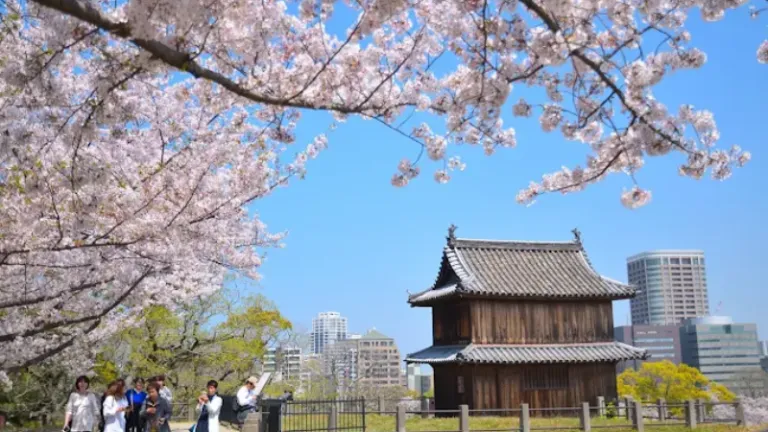 Although the main keep of Fukuoka Castle, also known as Maizuru Castle, no longer survives, its ruins still offer a fascinating glimpse into the city's Edo-period past. The remaining stone walls, moats and ancient gates are scattered across the hillside, creating an atmospheric place to explore.
One of the best things to do here is climb towards the observatory on Fukusaki Hill. The walk involves a few flights of stairs, but the effort is rewarded with panoramic views over Fukuoka. It is especially beautiful around sunset when the city begins to glow beneath you.
For an even more magical experience, visit during cherry blossom season. More than a thousand sakura trees surround the castle ruins, transforming the historic site into one of Fukuoka's most beautiful seasonal attractions. It is a wonderful example of how the city's history and natural beauty can come together in one place.
9. Canal City Hakata
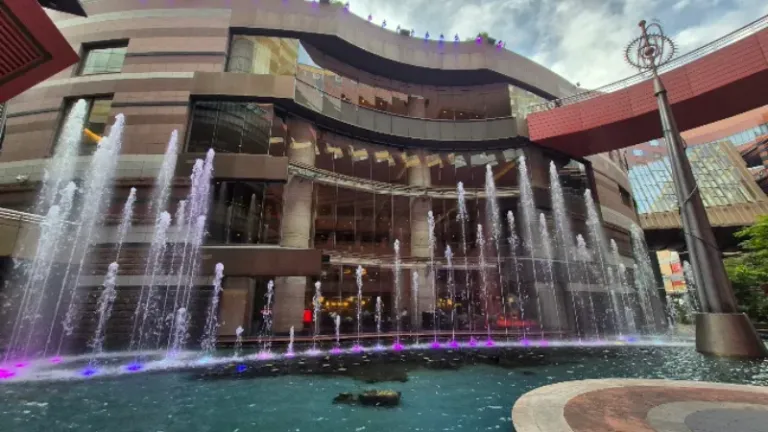 After spending time exploring Fukuoka's temples, shrines and historical sites, it is time to experience the city's modern side at Canal City Hakata. This is not your average shopping centre. Designed as a "town within a town", Canal City is built around a winding artificial canal and combines shopping, dining, entertainment and architecture in one enormous complex.
Its colourful curved buildings, water features and greenery give the complex a futuristic feel. You can easily spend several hours here browsing shops, grabbing a meal or simply wandering around to admire the unusual architecture.
Food lovers should head to the famous Ramen Stadium, where you can discover different styles of ramen under one roof. The centre also hosts spectacular fountain shows, making it a fun destination after dark. If you want to see the modern, energetic side of Fukuoka, Canal City Hakata is definitely worth adding to your list.
10. Namiha-no-Yu
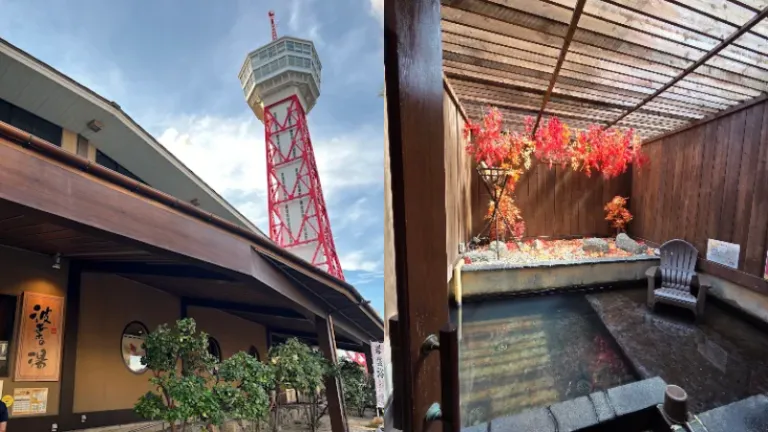 After several days of walking, sightseeing and exploring, there is no better way to recharge than with a traditional Japanese hot spring experience. Located near Hakata Port, Namiha-no-Yu is a public bath that uses natural mineral water pumped from around 800 metres underground.
The facility offers large outdoor baths, known as rotenburo, as well as indoor pools and saunas separated by gender. The experience is particularly enjoyable after a long day exploring Fukuoka, when your feet are tired and all you want to do is sit back and relax.
Its location near the bay also makes it convenient to combine with other coastal attractions. After soaking in the warm mineral-rich water, you can leave feeling refreshed and ready for another day of exploring. For anyone looking for relaxing places to visit in Fukuoka, Namiha-no-Yu is a wonderful addition to the itinerary.
Prayer Rooms in Fukuoka for Muslim Travellers
One of the things that makes Fukuoka appealing to Muslim travellers is that you do not have to give up your travel plans simply because you need a place to pray. The prefecture has been working towards becoming more Muslim-friendly, and several prayer facilities are available around the city.
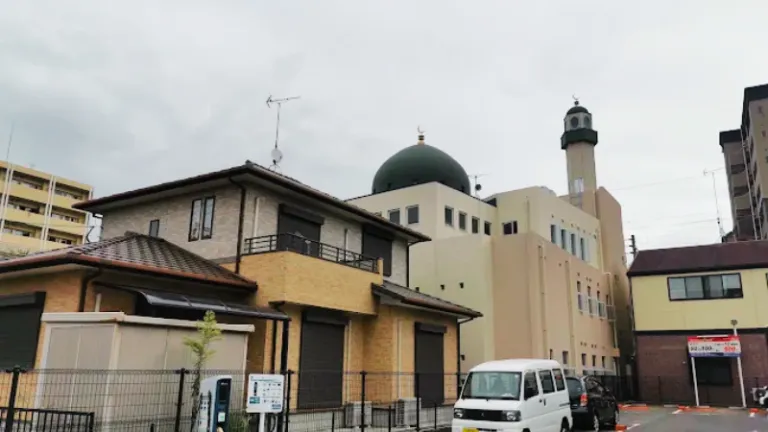 One important place is Fukuoka Masjid Al Nour Islamic Center in Hakozaki, Higashi-ku. The mosque has a men's prayer hall on the first floor and a women's prayer hall on the second floor. There is also a library containing books about Islam in English, Japanese and Arabic, making it a useful place for visitors who want to learn more about the local Muslim community.
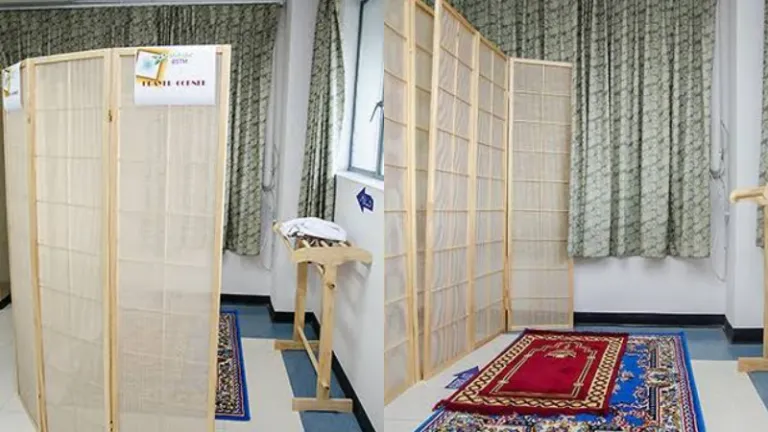 Another option is the Fukuoka International Exchange Foundation, located on the third floor of the Across Fukuoka complex near Tenjin Central Park. Its Kokusai Hiroba is designed to bring local residents and international visitors together, and the attached worship space is open to everyone.
 If you are arriving or departing by air, Fukuoka International Airport also provides a prayer room on the fourth floor of the International Terminal Building. The airport is Kyushu's largest air gateway and also has a General Information Centre where travellers can find tourist information, guidebooks and maps.
There is also a temporary visitor prayer space at Hotel New Otani Hakata, located in Watanabe-dori. Having several options across the city makes sightseeing much easier for Muslim travellers, particularly when planning a full day of exploring.
Halal Food to Try in Fukuoka
Of course, no trip to Japan would be complete without experiencing the local food, and Muslim travellers will be pleased to know that Fukuoka has a growing selection of halal and Muslim-friendly dining options. From Japanese Wagyu and fresh seafood to Pakistani, Turkish and South Asian dishes, there are plenty of choices depending on what you are craving.
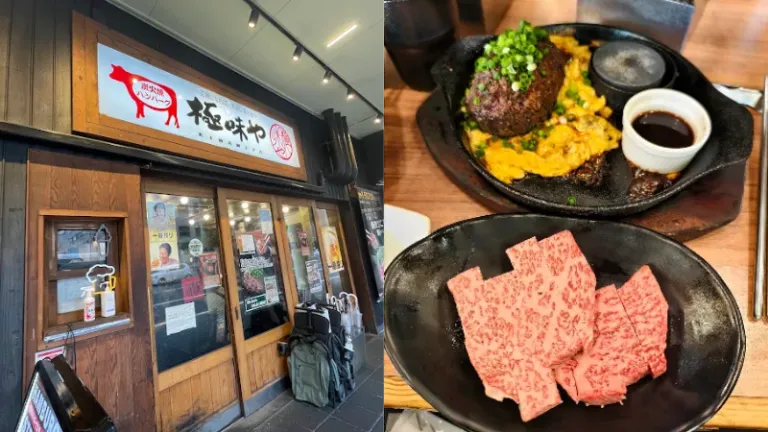 For halal Japanese food, Kiwamiya Hakata is a popular option near Hakata Station. The restaurant offers a dedicated halal menu featuring Japanese Wagyu hamburgers cooked on hot stones. Separate cooking utensils and tools are used for halal orders, making it a convenient choice for Muslim visitors. Prices are generally around ¥2,000–¥3,000.
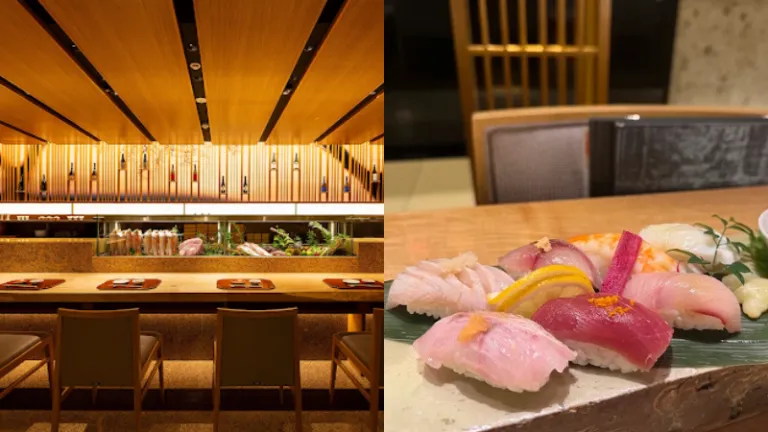 Another option is Uokura, located on the second floor of Miyako Hotel, just a short walk from Hakata Station's Chikushi Gate. The restaurant offers a dedicated halal menu and specialises in premium Fukuoka seafood, including Yobuko squid and nodoguro, also known as blackthroat seaperch.
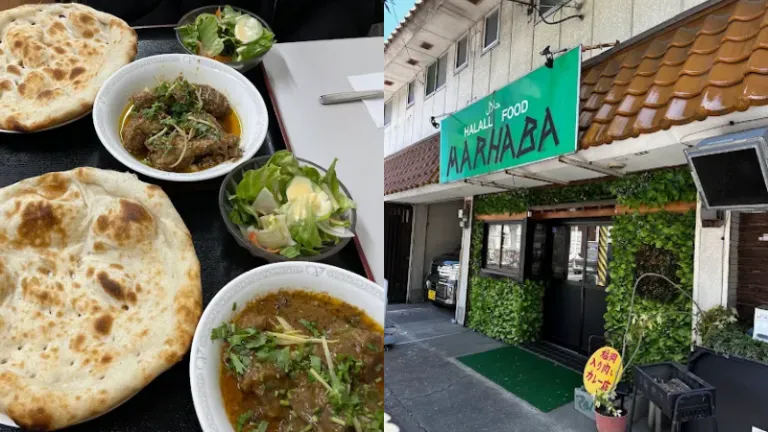 If you are staying near Fukuoka Masjid Al Nour, you will also find several South Asian and Middle Eastern restaurants nearby. Marhaba, around a five-minute walk from the mosque, is a 100% halal Pakistani restaurant serving dishes such as biryani, curries and mutton. Meals typically cost around ¥1,000–¥2,000, although it is worth noting that the restaurant is cash-only and closed on Tuesdays and Wednesdays.
For something more casual, Yousafzai Halal Hakozaki serves halal burgers, rolls and homemade-style curries, with meals generally costing around ¥1,000–¥2,000. Kafe Toruko in Ropponmatsu is another option, offering an entirely halal meat menu with Turkish home-style dishes and baklava. Average meals here are also around ¥1,000–¥2,000.
Why Fukuoka Should Be on Your Japan Itinerary
 Fukuoka may not receive the same international attention as Tokyo or Kyoto, but that is precisely what makes it so appealing. Here, you can explore ancient shrines in the morning, walk through peaceful parks in the afternoon, enjoy a bowl of delicious ramen in the evening and finish the day relaxing in a natural hot spring.
For Muslim travellers, the experience can be even more comfortable thanks to the growing number of prayer facilities and halal or Muslim-friendly restaurants around the city. You can explore historical attractions, enjoy Japan's natural beauty and experience the local food scene while still finding places to pray and dine with greater peace of mind.
From the ancient history of Hakozaki Shrine and Kushida Shrine to the flower-filled landscapes of Nokonoshima, the peaceful waters of Ohori Park, the fascinating caves of Japanese history and the modern energy of Canal City Hakata, Fukuoka has a little bit of everything. So, if you are planning your next Japan adventure, perhaps it is time to look beyond the usual Tokyo-Kyoto route and discover this underrated Kyushu gem for yourself. Pack your bags, explore Fukuoka at your own pace, enjoy its welcoming Muslim-friendly facilities, and experience the kind of unforgettable journey that makes you want to come back for more.
Published at
About Author
Subscribe our Newsletter
Get our weekly tips and travel news!
Recommended Articles
Halal Travel in China: Exploring Xi’an and Xinjiang 10 Muslim-Friendly Islands in Indonesia Many travellers have either been to Bali and Lombok, or are planning a trip there – they are the most popular tourist destinations for Muslim and non-Muslim alike. . While these islands are tourist-friendly and especially Muslim-friendly, there are many other islands in Indonesia that are just as beautiful and have lots to offer. Check […]
Halal Food in Madrid: 10 Places to Visit When You’re Hungry Halal Food in Madrid Madrid is the capital city of Spain and home to over 300,000 Muslims. You can also find mosques in the city, with the most prominent being the Madrid Central Mosque in the Cuatro Caminos neighborhood. One of the largest mosques in Europe, the Islamic Cultural Center of Madrid, is also located […]
Halal Food in Marina Bay Sands Singapore After spending time shopping and marveling over one of Singapore’s most iconic buildings, you are sure to be looking for a place to satisfy your hunger. Here is a list of halal restaurants you can consider stopping by!
Halal Food in Changi Airport Hungry before or after your flight? Lucky for you, Changi Airport has an abundance of halal-certified restaurants where you can fill your stomach! Here is a guide to halal restaurants in Singapore’s Changi Airport.
Latest Articles
8 Day Trips From Tokyo for Muslim Travellers to Elevate Your Japan Itinerary It's your sign to travel outside Tokyo!
The Perfect Guide for Muslim Travellers in Bangkok: Hotels, Dining, and Mosques Exploring Thailand’s vibrant capital wouldn't be complete without this guide!
Seoul Muslim Travel Guide: From Halal Eats and Prayer Spaces to Top Shopping Spots Shop till you drop, feast on delicious halal food, and find prayer rooms easily with this guide!
8 Muslim-Friendly Snacks in Tokyo You Should Try Discover 8 Muslim-friendly snacks in Tokyo, from senbei and yaki imo to halal chiffon cake, taiyaki, crepes, and street kebabs
10 Halal Restaurants in Shibuya, Tokyo for Muslim Travellers Discover 10 halal and Muslim-friendly restaurants in Shibuya, Tokyo, from halal Wagyu ramen and yakiniku to shabu-shabu and curry