

Think SimCity, come to life.
Technology Changes How Muslims Celebrate Eid
Billions of Muslims worldwide would be busy over the next few days celebrating Eid ul Fitri, marking the end of Ramadan. In today’s tech-savvy world, Muslims are changing how they celebrate Eid with the help of smartphones and apps.
During this year’s Ramadan, there was a significant increase in app downloads as Muslims are increasingly turning to their phones to shop or simply search for information.
According to Appsflyer 2019 Market Insights, app installation rate grew up to 26 per cent in 2018 in Muslim-friendly countries such as Malaysia, Indonesia and Singapore. Travel, social and messaging apps are among the popular downloads during and after Ramadan, followed by shopping apps.
Convenience of technology
 Image credit: Mohd Fazlin Mohd Effendy Ooi
Muslims in Malaysia and Indonesia are using the technology to monitor traffic on apps like Waze. Many depended on such apps to identify traffic patterns and avoid major traffic congestions when travelling home to celebrate Eid with their loved ones.
Despite technology’s stigma of creating boundaries with less intimate and personal interactions, Muslims are actually using technology to be closer with their families and friends during the festive season.
Also read: Celebrating Eid in Singapore, As Told by the HalalZilla Team
Staying in touch with technology
The use of messaging apps to send Eid wishes is another way technology has changed how Muslims celebrate Eid. Traditionally, Muslims would send greeting cards as a way to send well wishes. But recently, more people are using texting services such as WhatsApp to send their Eid wishes. Some are applauding such changes as it helps reduce paper wastage.
 Image credit: Mohd Fazlin Mohd Effendy Ooi
Furthermore, these social apps allow loved ones to stay in touch during Eid ul Fitri. Popular apps such as Skype, Facetime and others allow for easy communication that enhances interaction beyond the limitations of text messaging and phone calls.
Also, social media platforms are often used as a tool to keep each other updated. Whether it’s sharing pictures or updating their blogs, Muslims are using the Internet to reconnect with each other.
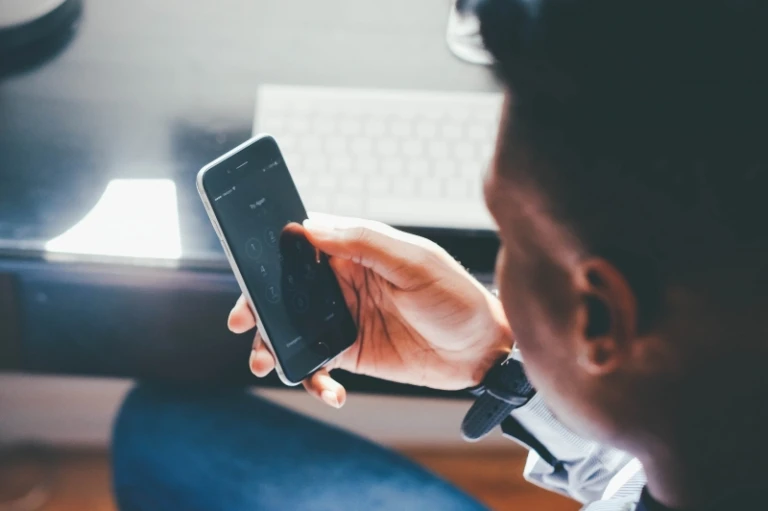
Popular search engine giant, Google, has reported search spikes during both Ramadan and Eid. It is reported that Muslims are increasingly using the Internet to look up for food recipes or cooking tutorials to prepare for Eid.
There’s a 28 per cent and 35 per cent increase in Malaysia and Indonesia respectively on YouTube. Such searches are usually done when planning to welcome guests for the festive season.
Technology is not just for enjoyment. It’s also being adapted to make sure Muslims with disabilities are able to celebrate Eid. Such apps like Deria Takbir transforms real-time sound waves into visual and tactile feedback. This would allow those with hearing impairments to listen to the Eid Takbir. Despite the core practices of Eid ul Fitri still being practised, technology has allowed for the celebrations to be more inclusive.
Also read: Does The Real Purpose of Eid Still Shine Through Today?
Published at
About Author
Inshirah Majid
You can always find Inshirah cuddled at home with tea. Maybe even roaming the streets of Europe for any bit of history and politics. That's when she isn't basking in the freshness of Table Mountain or Hallasan. She is also a self-declared foodie and lover of Mother Nature. Follow her adventures at @inshimajid
Subscribe our Newsletter
Get our weekly tips and travel news!
Recommended Articles
In 20 Photos: Why Dubai is Basically #ArchitectureGoals What to Expect When Travelling to Iran: Expectations vs Reality Iran is a victim of multiple negative misconceptions – so much so that travellers usually get a surprise when they visit the country.
Muslim Travel Guide: How to Find a Mosque or Prayer Space Overcome the daily challenge of finding a place to pray – whether in a mosque or elsewhere – when you’re on the move.
Kosovo: The Undiscovered Muslim-Friendly Country in Europe Embrace this young and fascinating country in the Balkans where there’s much to see and do, and Halal food is easy to find.
A Muslim-Friendly Guide To Halal Restaurants In Seoul And Jeju Finding Halal food in Korea is getting easier by the day as the country firms up its reputation as a Muslim-friendly destination. Bookmark these Halal-certified or Muslim-friendly restaurants for your next trip to Seoul and Jeju!
Latest Articles
Instagrammable Spots in Sabah, Malaysia Every Muslim Traveller Should Add to Their Bucket List Instagrammable Spots in Sabah, Malaysia. For Muslim travellers looking for beautiful places to explore and photograph
10 Beautiful Places in Batam, Muslim Travellers Should Visit Explore Batam home to beautiful beaches, tropical islands, green landscape for main gateways from Singapore
8 Best Halal Breakfast Spots in Batam, Indonesia discover 8 Best Halal Breakfast Spots in Batam, Indonesia from comforting noodles and \dim sum to classic batam dishes
10 Best Halal Restaurants in Macao for Muslim Travellers Explore 10 Best Halal Restaurants in Macao for a halal food hunt in Macao
Best Resorts in Sabah, Malaysia With Amazing Nature Views Discover the best resorts in Sabah, Malaysia, from beachfront escapes and island stays to rainforest retreats with stunning nature views