

Looking for cheap, good and Halal food in Orchard Road? You can get a full meal under $10 at these awesome local eateries!
The Ultimate Guide to Spending New Year in Tokyo: Tips for Muslim Travellers
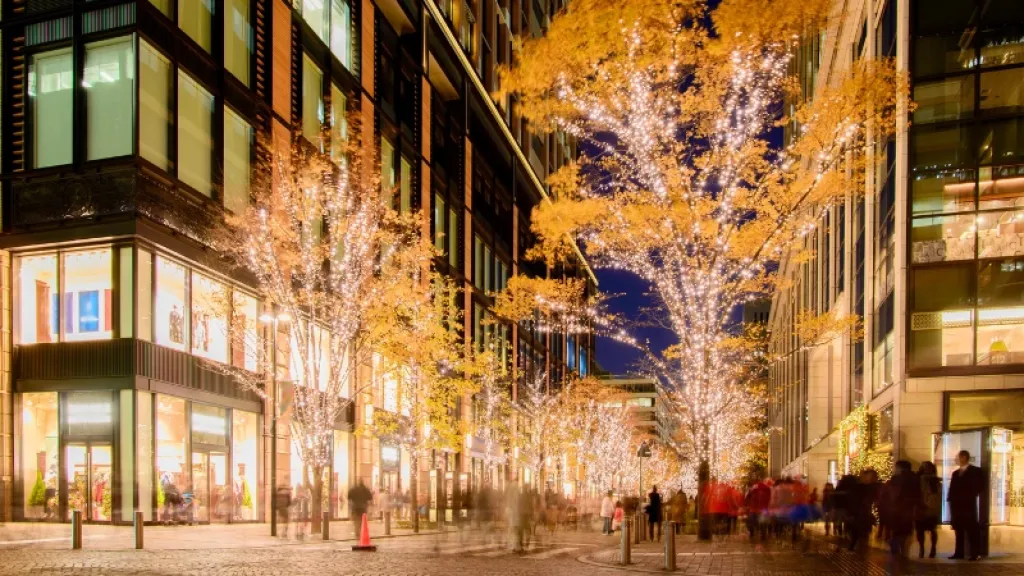
Tokyo has always been a bucket-list destination for travellers worldwide, but visiting during the turn of the year offers a completely unique experience. While New Year's Eve in other countries is often synonymous with wild parties and explosive fireworks, in Japan, this period—known as shogatsu—is the most significant, sacred, and family-oriented holiday of the year. The atmosphere shifts to become quieter and more reflective, yet it remains vibrant with fascinating cultural traditions.
Also read: Halal Restaurants in Harajuku Every Muslim Travellers Need to Try
However, holidaying in Tokyo during the New Year period comes with its own set of challenges. The city doesn't operate as usual, and without proper preparation, you might find yourself struggling to find open restaurants or discovering that your dream attractions are closed. To ensure your trip remains smooth and memorable, here is a guide to the best cultural activities and crucial tips you need to know before flying to Tokyo this year-end.
Cultural Traditions and Events in Tokyo
While you won't find massive countdown raves everywhere, Tokyo offers a wealth of cultural experiences that are fascinating for visitors to witness:
Hatsumode: Soaking in the Atmosphere of the First Shrine Visit
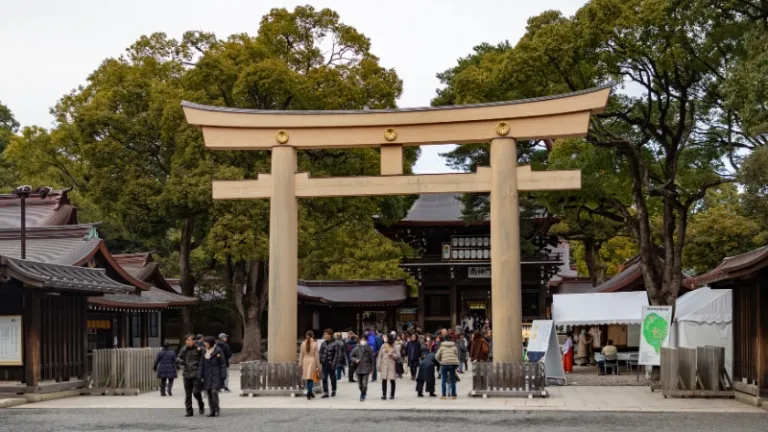 Image credit: Bruno Coelho | Canva Pro
This is the main event of the season. Millions of Tokyo residents will flock to major spots like Meiji Jingu or Sensoji Temple starting from midnight on January 1st. For Muslim travellers, you don't need to participate in the rituals to appreciate the magnitude of the event. Simply strolling through the grounds allows you to witness the magical atmosphere and see locals dressed in their finest kimonos. The area is also packed with yatai (street food stalls). While delicious, do be cautious and check for non-halal ingredients before purchasing snacks!
Joya no Kane: The Ringing of the Bells
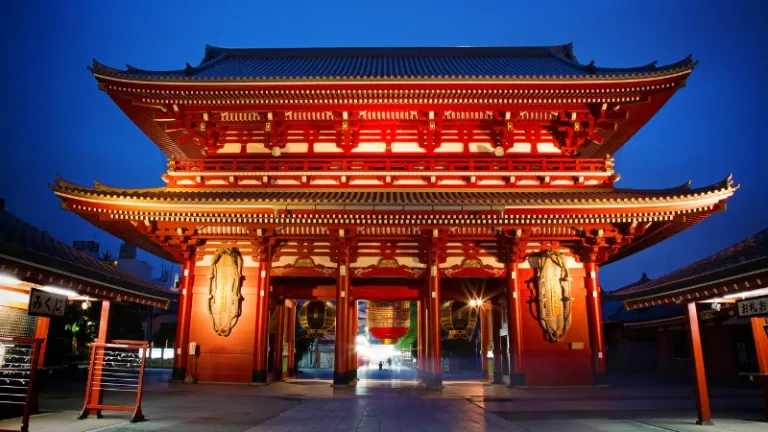 Image credit: Rixie | Canva Pro
On New Year's Eve, Buddhist temples across Japan ring their giant bells 108 times to symbolize the cleansing of the 108 worldly desires. Some temples even allow visitors to take turns ringing the bell. If you want to witness this solemn and impressive tradition, you can visit temples like Sensoji, Hongwanji, or Zenpukuji.
Hatsuhinode: Catching the First Sunrise
 Image credit: TrueCreatives | Canva Pro
Locals believe that witnessing the first sunrise of the year brings good luck. Popular vantage points like Tokyo Tower, Tokyo Skytree, or the waterfront area of Odaiba are usually packed with people well before dawn. If you want to join in, be prepared to brave the crowds!
The Emperor’s New Year Greeting
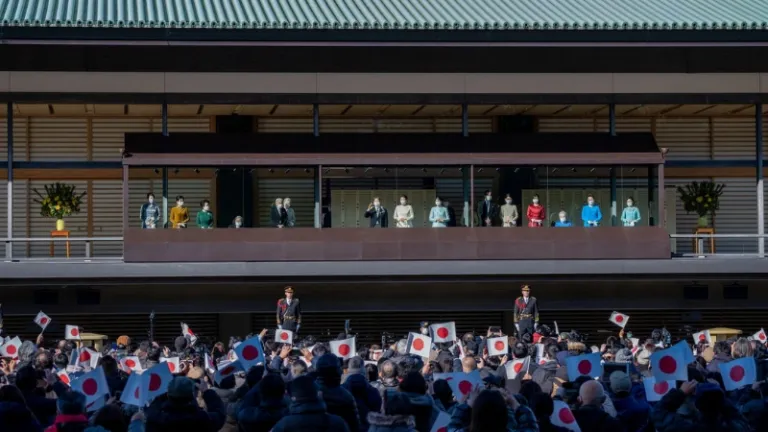 Image credit: Imperial Household Agency | Official Website
Taking place on January 2nd, this is a rare event. It is one of only two occasions in the entire year when the general public is granted access to the inner grounds of the Imperial Palace to see the Emperor and the Imperial Family greeting the crowds from the balcony.
Fukubukuro: Hunting for Mystery Bags
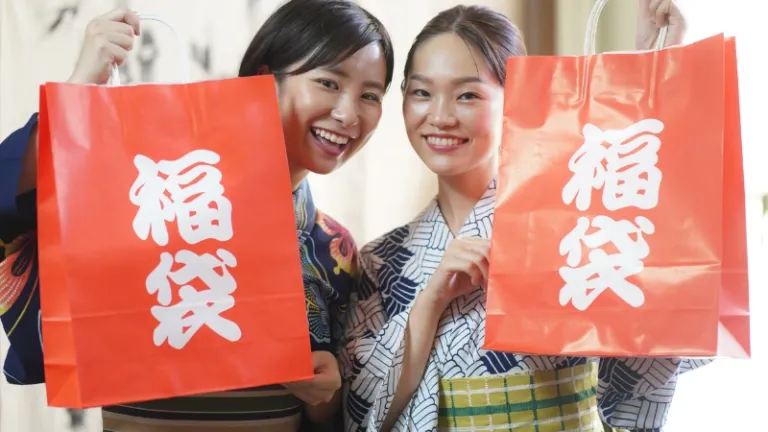 Image credit: Aflo Images | Canva Pro
Starting January 2nd, major shopping districts like Ginza, Shibuya, and Shinjuku will sell Fukubukuro or "lucky bags." These serve as mystery bags filled with goods sold at a steep discount. It is a favourite "sport" for local shoppers and a great way to snag a deal!
The Oji Fox Parade (Kitsune no Gyoretsu)
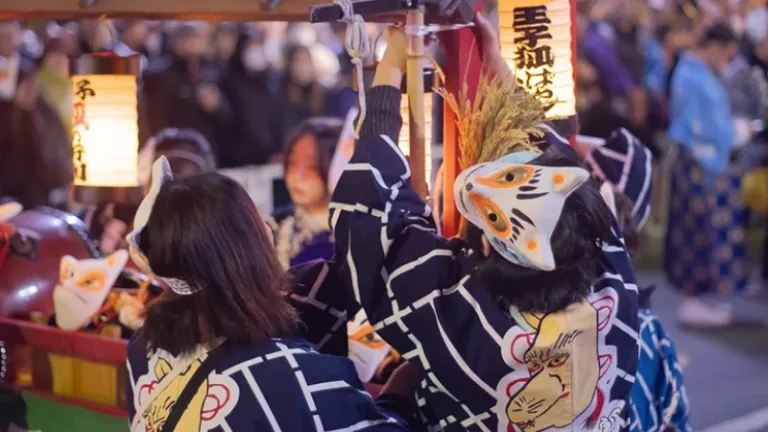 Image credit: Tokyo Convention & Visitors Bureau | Official Website
According to Japanese legend, foxes from all over the region gather under a large hackberry tree on New Year's Eve before marching to Oji Inari Shrine. This legend is brought to life in the Kitsune no Gyoretsu parade from December 31st to January 1st. Hundreds of participants wear fox masks and carry lanterns, marching through the streets. It is a visually stunning parade, and you can even buy a mask from nearby shops to get into the spirit.
Important Things to Know Before You Go
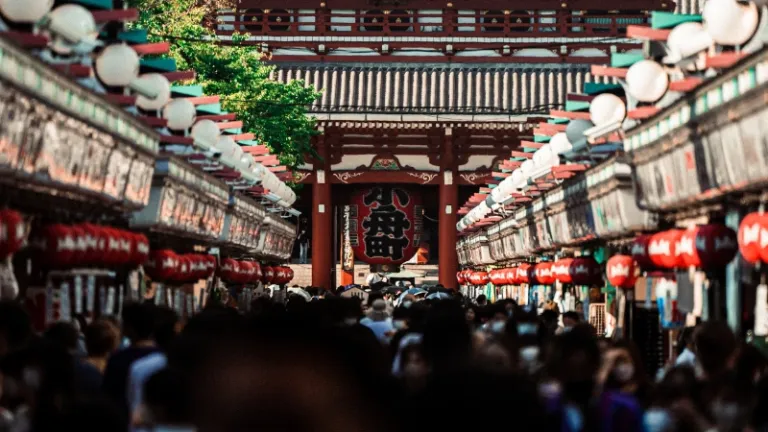 Image credit: Satoshi Hirayama | Canva Pro
Unlike other holiday seasons, the period from December 29th to January 4th is when Japan "shuts down" to rest. Here is what you need to watch out for:
Closures are Common: Most shops, independent restaurants, banks, and even some tourist attractions (like museums and gardens) will be closed, especially on January 1st. Some remain closed until January 3rd. Always check official websites in advance.
Dining Options are Limited: Finding food on January 1st can be tricky, especially Halal food. Major family restaurants, fast-food chains, and konbini (convenience stores) usually remain open and can be life-savers. Restaurants inside large hotels or major shopping malls often stay open as well.
Prayer Facilities Might Be Closed: Be aware that some Mosques or smaller prayer rooms in tourist hubs might be closed or have limited operating hours during the New Year holidays. It is best to contact the management beforehand to confirm. Alternatively, plan your schedule so you can perform your prayers comfortably in your hotel room.
Transport is Running, but Busy: Trains and buses continue to run, often on a holiday schedule (less frequent). However, because many locals travel back to their hometowns, public transport terminals and Shinkansen lines can be extremely crowded from late December to early January.
Also read: 8 Muslim-Friendly Hotels in Tokyo For Your Next Stay
Savvy Tips for a Smooth New Year Trip
Bring Extra Cash While: cashless payments are becoming more common, some ATMs in smaller banks may be offline or charge extra fees during the national bank holidays. Ensure your wallet is stocked with enough Japanese Yen.
Reserve Everything in Advance: If you plan to take the Shinkansen, have a special New Year’s Eve dinner, or visit an observatory (like Shibuya Sky) for the sunrise, you must book weeks in advance. Getting tickets on the spot is almost impossible during this season.
Visit Sights on Jan 2nd or 3rd: To avoid the most intense crowds, skip the popular spots on January 1st. Visit on the 2nd or 3rd instead, or explore smaller, quieter neighbourhoods around your hotel.
Take Advantage of "Winter Sales": Starting January 2nd, massive winter sales begin in department stores (alongside the Fukubukuro sales). This is the absolute best time to shop for high-quality Japanese brands at a fraction of the price.
Also read: Halal and Muslim-Friendly Restaurants in Shinjuku for Your Next Trip
Visiting Tokyo during New Year’s requires a bit more strategy than other months, but the reward is worth it. You get to feel the spiritual side of Japan, immerse yourself in a festive yet dignified atmosphere, and enjoy a quieter side of the usually bustling metropolis. With the right preparation, your New Year in Tokyo will be a sweet start to 2026!
Published at
About Author
Jeihan Azalea
Jeihan is an ambitious explorer who travels the world with a pen in her hand.
Subscribe our Newsletter
Get our weekly tips and travel news!
Recommended Articles
10 Cheap Halal Food and Restaurants in Orchard Road Useful Tips for Travelling During Ramadan Do you or anyone you know face difficulties whilst travelling during Ramadan? We’ve got you covered!
10 Halal Restaurants in Bangkok to Satisfy Your Thai Cravings From Korean-style BBQ and Punjabi curries to award-winning shrimp Pad Thai, take your pick from these amazing Halal restaurants in Bangkok.
Al Meroz: A Muslim-Friendly Hotel in Bangkok, Thailand Great news for Muslim travellers: Thailand’s first halal hotel is now open to the public!
Muslim Travel: 5 Things to Do in Dubai For Adrenaline Junkies Dubai is worth far more than a layover – This wondrous city has plenty to offer! Here are some exciting activities in Dubai for the Adrenaline Junkies!
Latest Articles
10 Halal Ramen in Osaka Every Muslim Travellers Have to Try At Least Once Don't miss out on Japan’s iconic comfort food!
Experience Autumn Beauty: Visit These 10 Stunning Spots in Kyoto Experience Kyoto at its most gorgeous.
12 Free Attractions in Osaka, Japan to Make Your Trip More Budget-Friendly Save money on your Japan vacation!
10 Great Places to Shop for Souvenirs in Hong Kong: From Budget-Friendly Markets to Unique Keepsakes Bring home the best of Hong Kong!
8-Day Tokyo and Osaka Itinerary: From the Bustling Capital to Japan’s Kitchen Make your dream Japan trip come true!