

What else can you do in the Maldives aside from soaking in the ambience of your overwater villa?
8 Unique Ramadan Traditions in Indonesia: Meaningful and Vibrant Celebrations
As a country with the world’s largest Muslim population, Indonesia always welcomes the holy month of Ramadan with immense joy. The warm atmosphere and enthusiasm can be felt weeks before the crescent moon is sighted, creating a beautiful harmony across the archipelago.
Also read: Ramadan 2026 Start Dates Around the World With Muslim Travel Tips
With its diverse cultural heritage, Indonesia naturally has many unique pre-Ramadan traditions! Each region is famous for its own set of activities, but they all share the same deep spiritual meaning. So, what are these unique traditions from across Indonesia? Let’s take a closer look!
1. Munggahan (West Java)
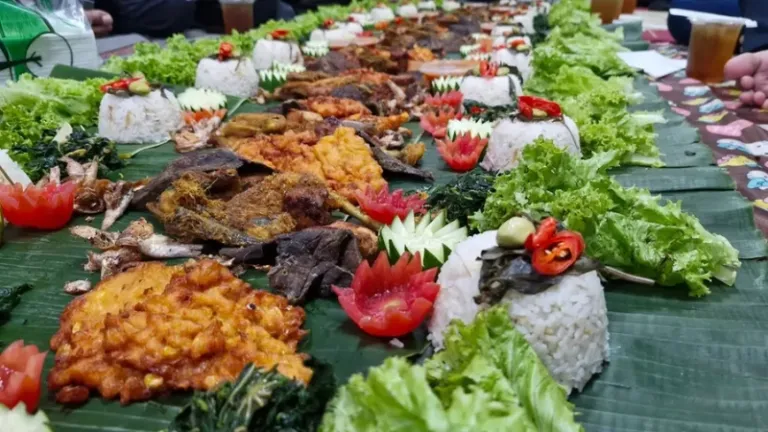
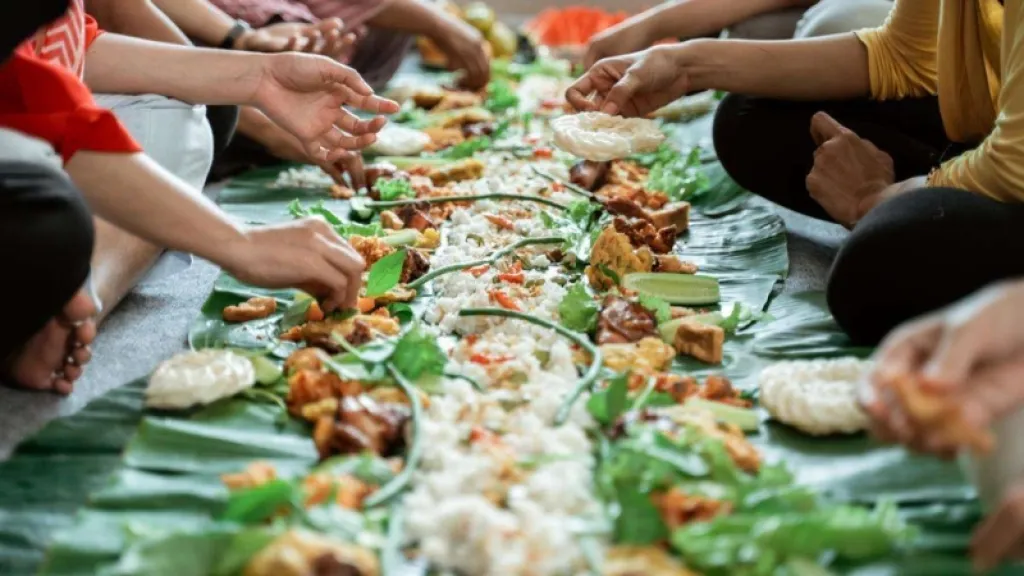
Just before Ramadan begins, typically at the end of the month of Shaban, the Sundanese people perform Munggahan. The term comes from the word "munggah," which means to ascend, symbolizing the hope that Muslims will "ascend" in their spiritual status as they enter the holy month.
Interestingly, different cities have different names for it! People in Bandung or Sukabumi often call it Papajar, while those in Bogor are more familiar with Cucurak. The activities are fun and heartfelt, ranging from visiting family graves and cleaning the house to a big family feast to ask for mutual forgiveness.
2. Nyadran (Central Java)
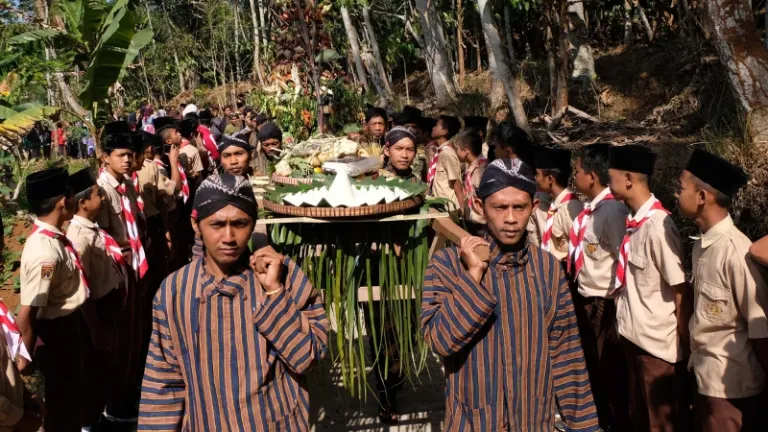
For those in Central Java, Nyadran is a well-known ritual. It is a mass pilgrimage where villagers clean their ancestors' graves and pray together.
The value of "gotong royong" (mutual cooperation) is very strong here. After the cleaning, there is usually a communal feast with neighbors as a form of gratitude. This tradition strengthens the bond between villagers before they focus on a month of intense worship.
3. Nyorog (Betawi/Jakarta)
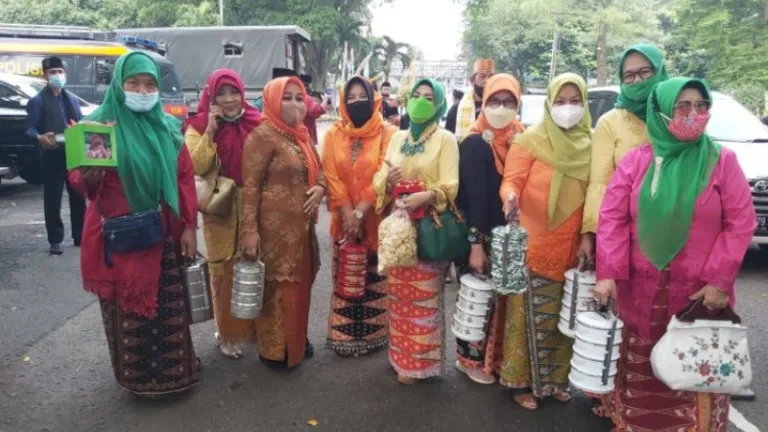
The Betawi people have a sweet way of maintaining family ties called Nyorog. The tradition involves sending food hampers to older family members or neighbors.
In the past, dishes like nasi uduk and ketupat were sent using stacked tin carriers (rantang). Even though we now live in a digital age where food can be sent via delivery apps, the essence remains the same: honoring elders and sharing the joy of welcoming Ramadan.
4. Megibung (Bali)
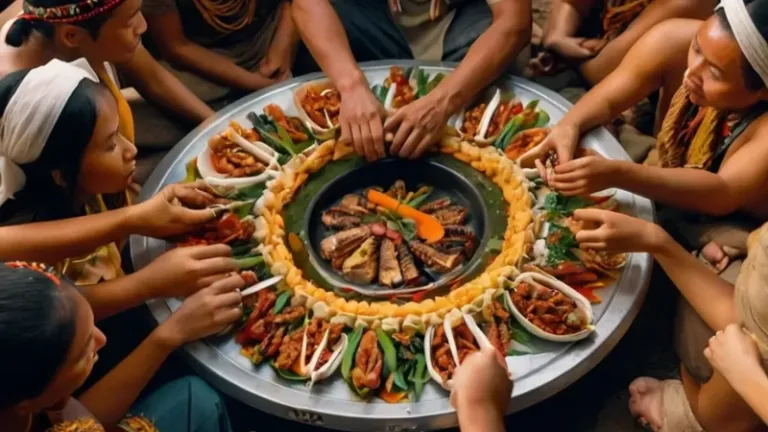
Who says Bali doesn't have Ramadan traditions? In Karangasem, there is a tradition called Megibung. This is a communal dining event where Balinese Muslims eat together from one large platter.
Megibung is a powerful symbol of brotherhood. While eating, there is usually casual discussion or a short religious lecture to prepare the soul for fasting. It truly showcases the beauty of tolerance and togetherness in Bali.
5. Meugang (Aceh)
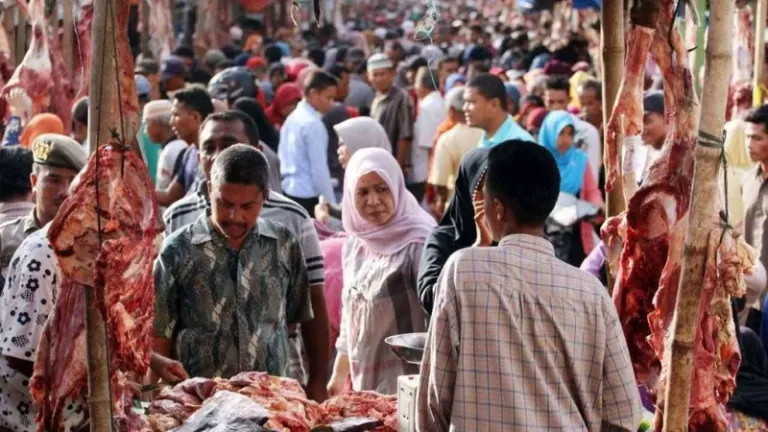
In Aceh, welcoming Ramadan means a "meat feast." The Meugang tradition involves cooking beef or buffalo to be enjoyed with the extended family.
Locals believe that eating a delicious meat dish before the fast is a way to show gratitude and bring blessings. Don't be surprised if traditional markets in Aceh suddenly become incredibly crowded and lively right before Meugang!
6. Malamang (West Sumatra)
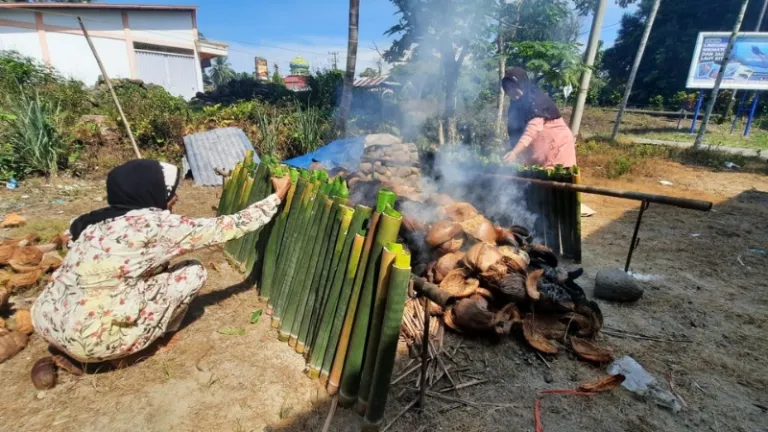
The Minangkabau people have the Malamang tradition, which is the communal cooking of lemang (glutinous rice cooked inside bamboo). The process of burning the bamboo takes a long time, providing a precious moment for neighbors to chat and strengthen social ties.
The cooked lemang is then shared with neighbors and relatives. The scent of burning bamboo truly makes the Ramadan atmosphere feel official!
7. Pacu Jalur (Riau)
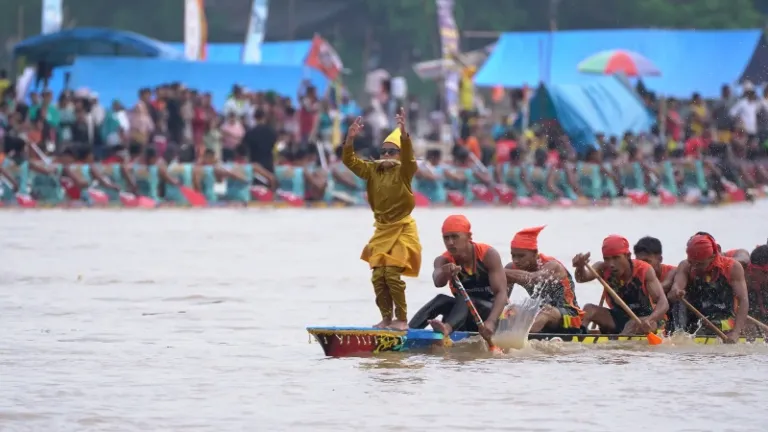
While other regions are identical with food, Riau has something more adrenaline-pumping: Pacu Jalur! This is a longboat rowing race held on the Batang Kuantan River.
A single boat can hold 50–60 rowers working in perfect sync. Besides being a form of public entertainment, Pacu Jalur is a way to show gratitude and a spirit of cooperation before entering the fasting month.
8. Dugderan (Semarang)
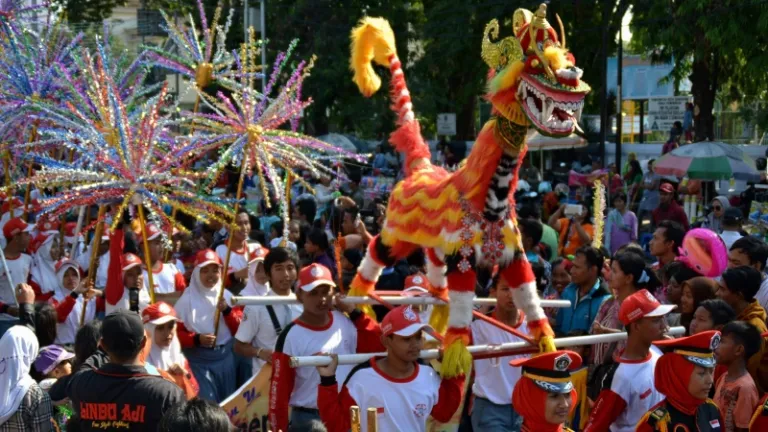
In Semarang, the start of Ramadan is marked by Dugderan. The name comes from the sound of the drum ("Dug") and fireworks ("Der"). This festival is very colorful, featuring a cultural parade and the appearance of the Warak Ngendog.
The Warak Ngendog is a mythological creature that symbolizes the acculturation of Arab, Chinese, and Javanese cultures. There is also a night market, making it the perfect place for a family stroll!
Also read: How Ramadan Transforms Cities Around the World: A Traveller’s Perspective
Every region in Indonesia has its own unique way of welcoming the holy month of Ramadan, reflecting a rich cultural heritage and local wisdom. These traditions not only strengthen social bonds but also serve as a way to give thanks and prepare oneself for a month full of blessings. This diversity shows how beautiful Indonesia is in maintaining a harmonious cultural heritage alongside Islamic values.
Happy preparations for Ramadan! Which of these traditions do you usually participate in? 🌙✨
Published at
About Author
Subscribe our Newsletter
Get our weekly tips and travel news!
Recommended Articles
Beyond Luxurious Getaways: Here Are More Things to Experience in the Maldives The Essential Muslim-Friendly Guide to Things to Do in Sydney and Beyond Let’s explore beautiful Sydney together!
12 Things to Do in Australia Before 2022 Ends Write them down for your next Aussie trip!
Muslim-Friendly Experiences in Australia: Things to Do For All Travellers Discover Australia YOUR way!
4D3N Hong Kong & Macao: Things to See, Do & Eat for Muslim Travellers Explore Macao to your heart’s content!
Latest Articles
10 Viral Halal Food Spots in Kuala Lumpur Worth Queuing For Looking for halal food in Kuala Lumpur? Discover 10 viral halal restaurants and food spots worth trying on your next trip to KL
Instagrammable Spots in Sabah, Malaysia Every Muslim Traveller Should Add to Their Bucket List Instagrammable Spots in Sabah, Malaysia. For Muslim travellers looking for beautiful places to explore and photograph
10 Beautiful Places in Batam, Muslim Travellers Should Visit Explore Batam home to beautiful beaches, tropical islands, green landscape for main gateways from Singapore
8 Best Halal Breakfast Spots in Batam, Indonesia discover 8 Best Halal Breakfast Spots in Batam, Indonesia from comforting noodles and \dim sum to classic batam dishes
10 Best Halal Restaurants in Macao for Muslim Travellers Explore 10 Best Halal Restaurants in Macao for a halal food hunt in Macao